Visitors who come to the UK from abroad may think that all of modern London has been cast from the same expensive mould: and up to a point, they would be right.
In the centre of London, it is rare indeed to find even a small flat for under one million pounds, while houses fetch between three times and two hundred times as much (the Tee Holme mansion in Regent’s Park was sold for 210 million pounds in 2020). As a consequence, not only are working class residents an endangered species in central London: increasingly, the merely affluent middle classes are being pushed out, too.
It has not always been like that. In the past, if you wanted to work in London, you had to live in London. Today’s commuter trains may travel from Brighton to Central London in 53 minutes, but before the advent of the railways, the same journey would have taken you at least one full day.
As a result, the wealthy and the proletariat lived cheek by jowl. London was not like ancient Rome where rich and poor inhabited the same street, sometimes the same building, but quarters at opposite ends of the wealth scale were often near-neighbours: one born to sweet delight, the other to endless night – or not quite endless, as it turned out and as we shall see today.
A Tale of Two Londons
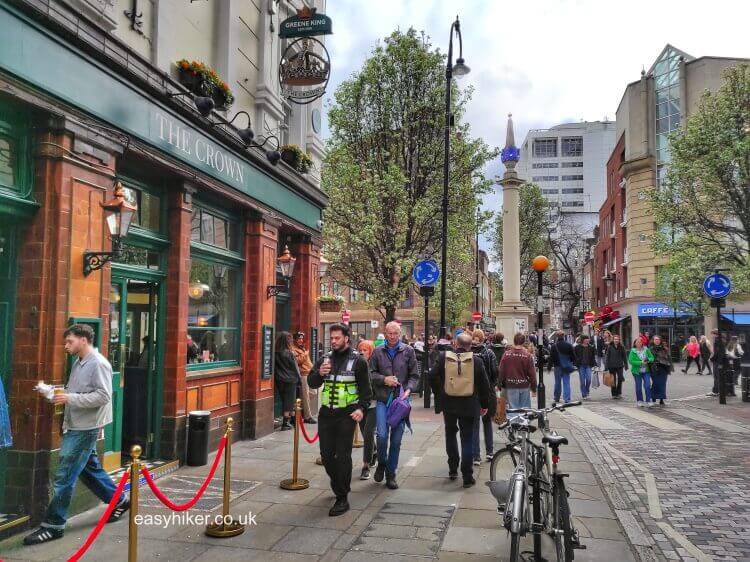
So where do we go to find the heart of sweet-delight London? There is no better authority to consult than Britain’s greatest Prime Minister, who was sitting very near the peak of the aristocratic pyramid as a grandson of the 7th Duke of Marlborough (and, for a while, the heir presumptive).
This is what Winston Churchill had to say about the little pleasures of the people who were, like the man himself, to the manor born:
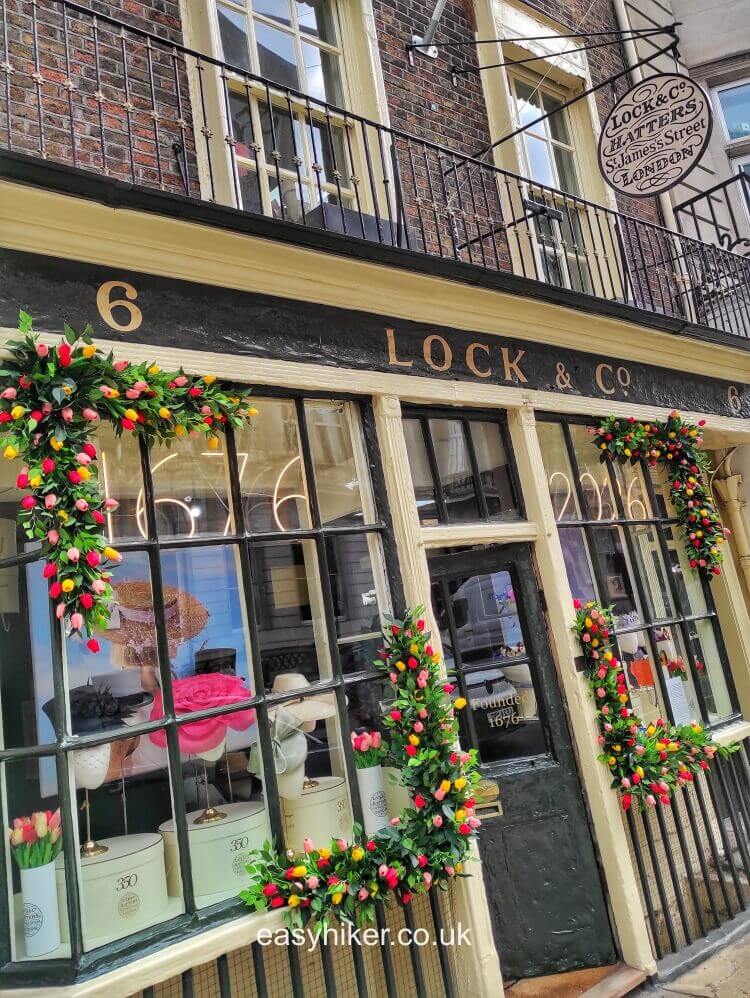
A gentleman buys his hats at Lock’s (incidentally also the oldest hat shop in the world), …
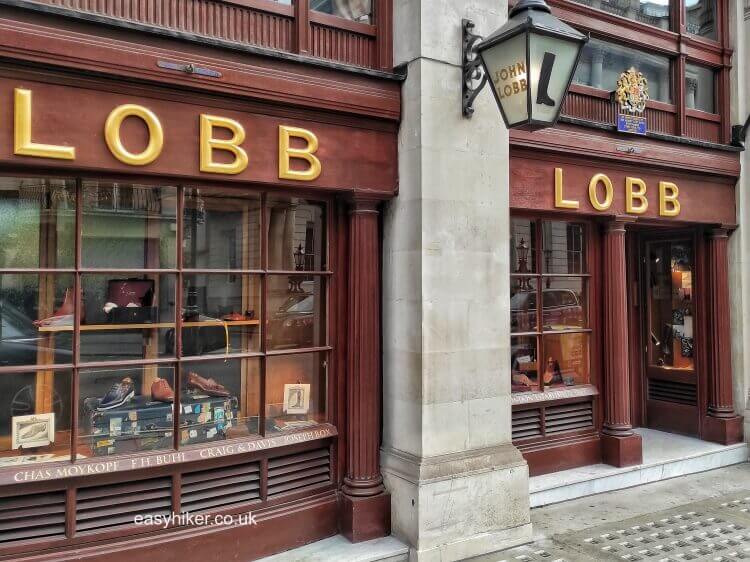
… his shoes at Lobb’s (purveyors of bespoke footwear since 1866) …
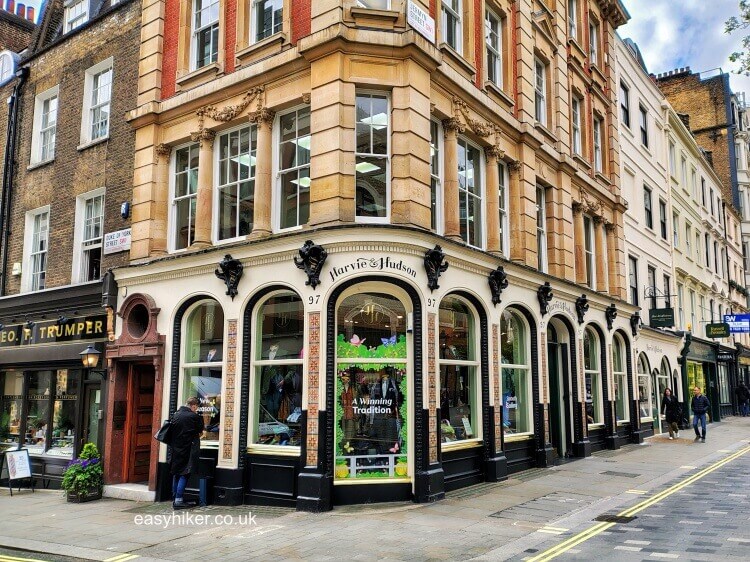
… his shirts at Harvie & Hudson (100 years later still run by a Mr Harvie and a Mr Hudson) …
… and his cheese at Paxton & Whitfield. (By all means, go there when you are anywhere near: it is the only one of these shops where you can buy something – anything! – without breaking the bank.)
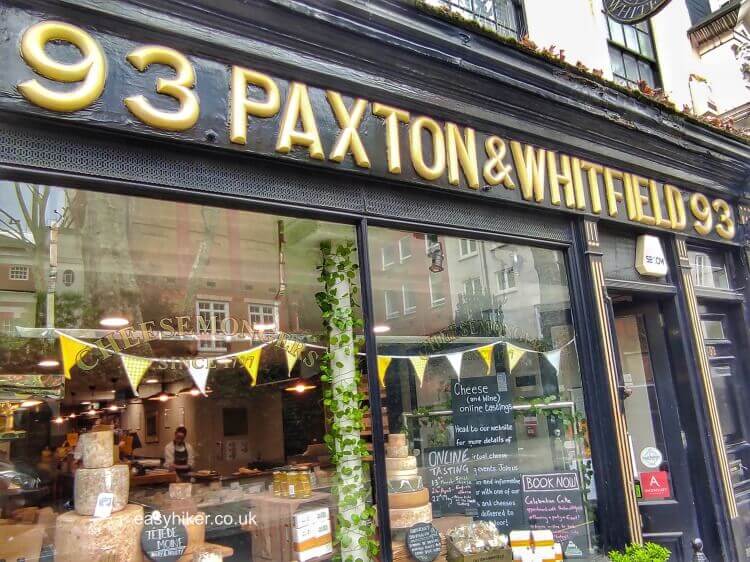
And here is the point: all these places are located within a few hundred meters of each other, in Jermyn Street and the neighbouring St James’s Street where you will also find the two most gentlemanly of London’s Gentleman’s Clubs (White’s and Boodle’s), while Berry Bros and Rudd, wine suppliers of the court (est. in 1698, one of Britain’s oldest extant companies), are trading a few steps further down the road.
Incidentally, members of the royal family can nip over to to buy booze from Berry Bros in their slippers: some of them (including King Charles, Queen Camilla and Princess Anne) live literally across the road at St James’s Palace.

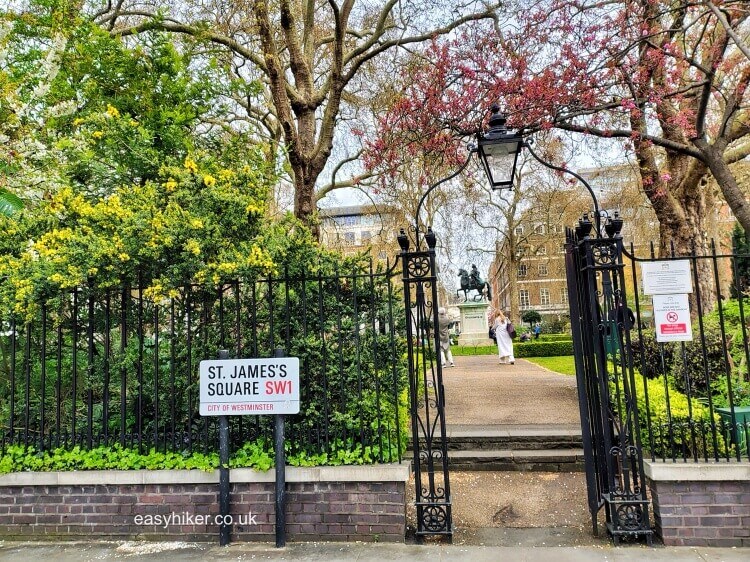
The Palace – for centuries mainly a secondary royal residence – has obviously played an important role in the history of the neighbourhood, but just as crucial was the luxury development that grew in the 1650s around St James’s Square.
At some stage, it accommodated seven earls and seven dukes – which means that, for a while, almost half of Britain’s hereditary (non-Royal) dukes lived within a few metres of each other, all on the northern side of the square.
Not each and every one of London’s property developments, meanwhile, hit the G-spot of its target clientele quite so well. One that flopped dramatically, located less than one mile away from St James’s between Shaftesbury Ave and Covent Garden, eventually became the worst slum in London. This is the area known as the Seven Dials.
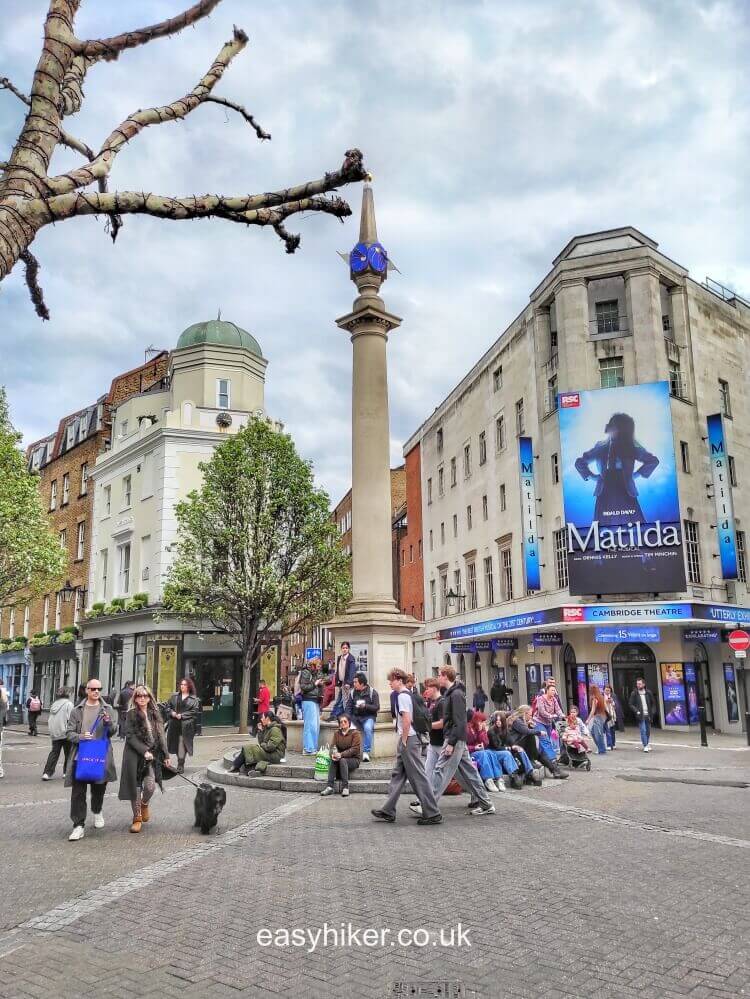
Planned in the 1690s as a new style of development for the landed gentry, it was designed to provide pieds a terre in the capital for smaller landowners who could neither afford aristocratic mansions nor really needed them. Such landowners were, after all, only able to absent themselves from their rural properties for a few idle months in the winter.
But these country gents were never attracted to the Seven Dials development, which, as a consequence, tumbled down the social ladder within a few years – as soon, that is, as the developers realised that poor tenants still bring in more money than no tenants at all.
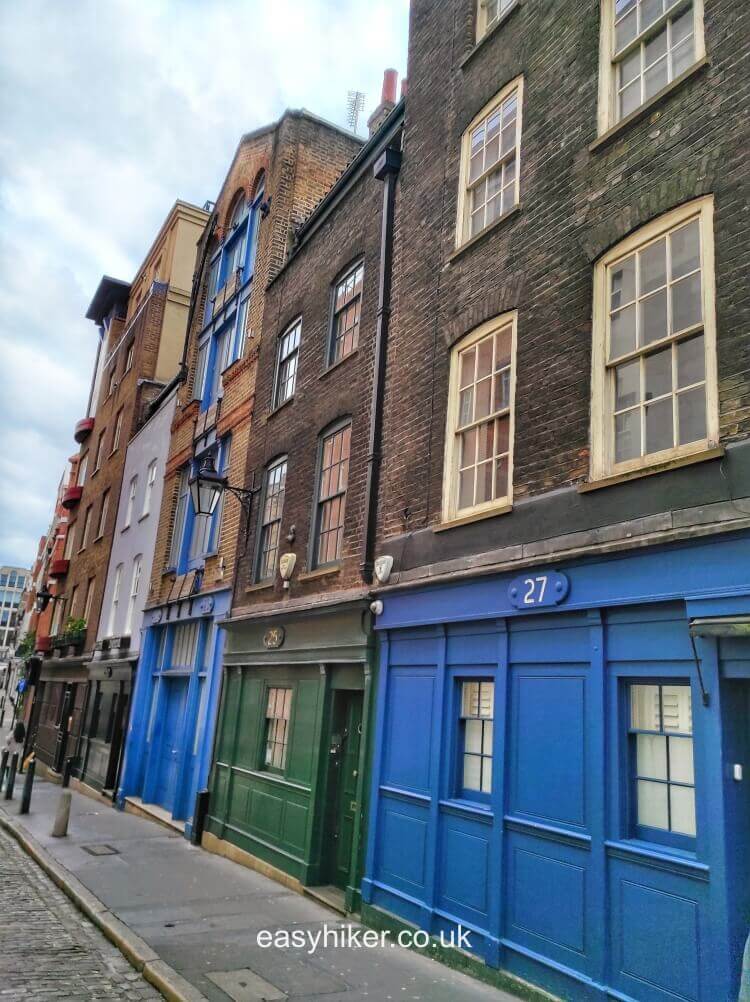
Most of the original buildings have since been torn down and replaced by modern residences and office blocks, but in a few spots, you can still get an idea of how the place once must have looked like.
The quarter reached its nadir in the middle of the 18th century when it became the centre of London’s Gin Craze, the crack cocaine epidemic of its day.
When two-year-old Mary Defour – who had just received a set of new clothes from a charity – was murdered by her own mother so she could buy gin with the money she expected to receive from selling these clothes, the moral panic boiled over and an outraged public demanded drastic action. As a result, the sale of gin was restricted, but it took a total of seven so-called Gin Acts and, finally, a total ban on all grain distillation to end the Craze in 1757, more than 20 years later after little Mary’s death.
This chapter in the history of the Seven Dials quarter still lives on in the British mind thanks to William Hogarth whose engraving of “Gin Street” is still the country’s most famous depiction of drug-dependent squalor and depravity.
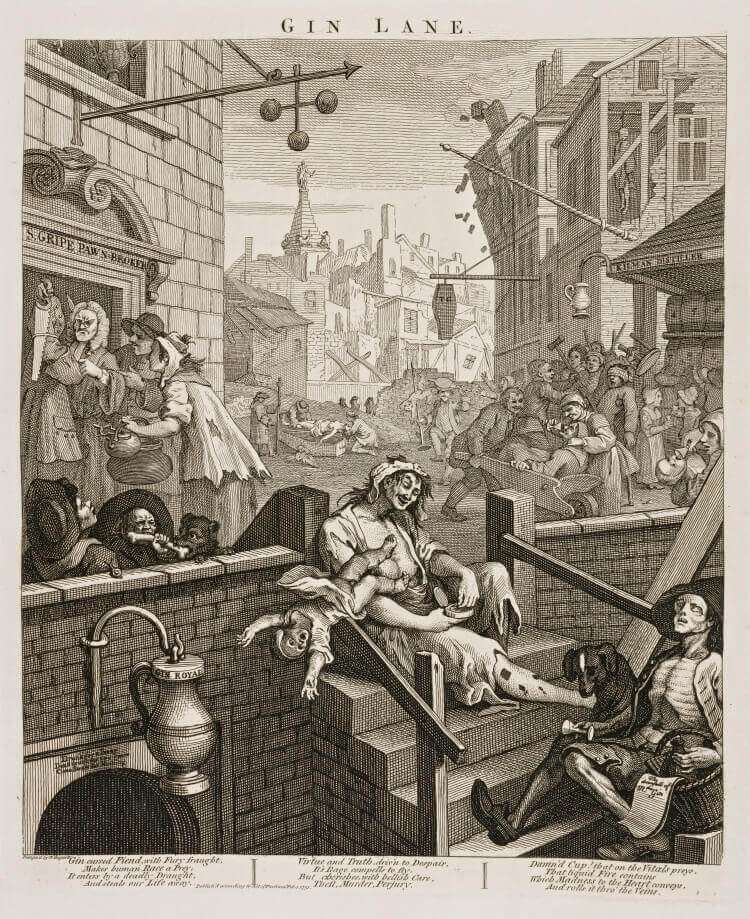
At the time, the area was also known as the St Giles Quarter, named after the church just behind Shaftesbury Avenue. You could still see its steeple today from Monmouth Street – as you can in the Hogarth engraving – if it were not for the modern buildings like the Odeon Cinema that line Shaftesbury Avenue and block the view.
Today, little in the Seven Dials area – actually a single dial with seven streets radiating away from it – speaks of the neighbourhood’s dark history. The small quarter – a square shape with side lengths of less than 200 metres – crams in 90 modern stores (mainly selling fashion and beauty products) alongside more than 50 cafes, restaurants and bars …
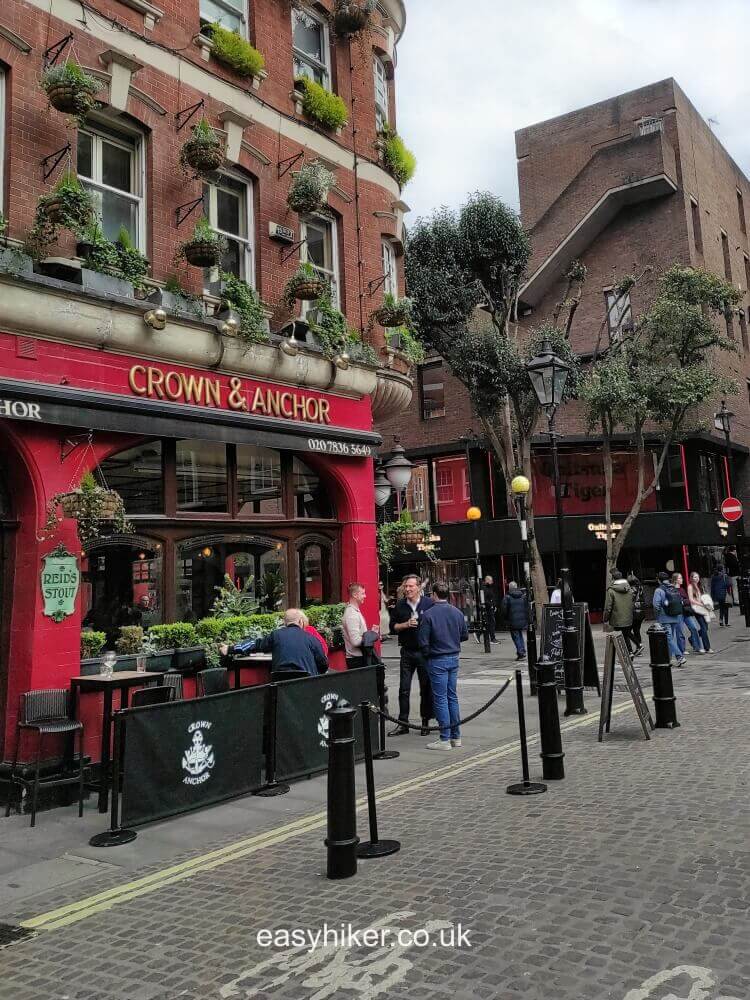
… many of which can be found in the Seven Dials Market, London’s most popular food hall.
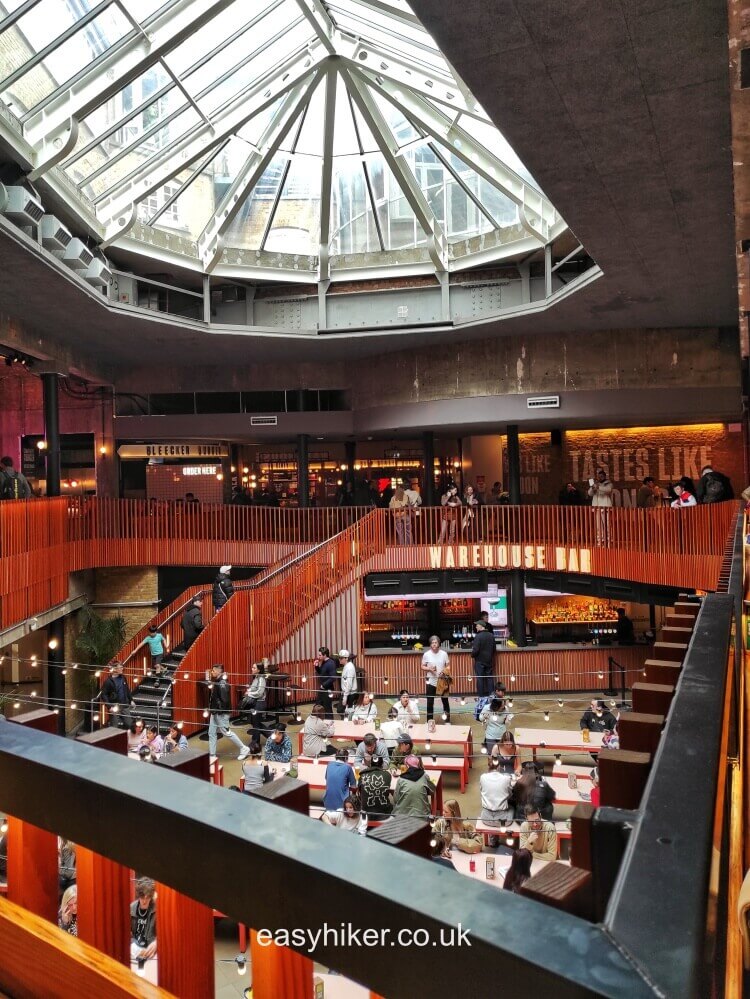
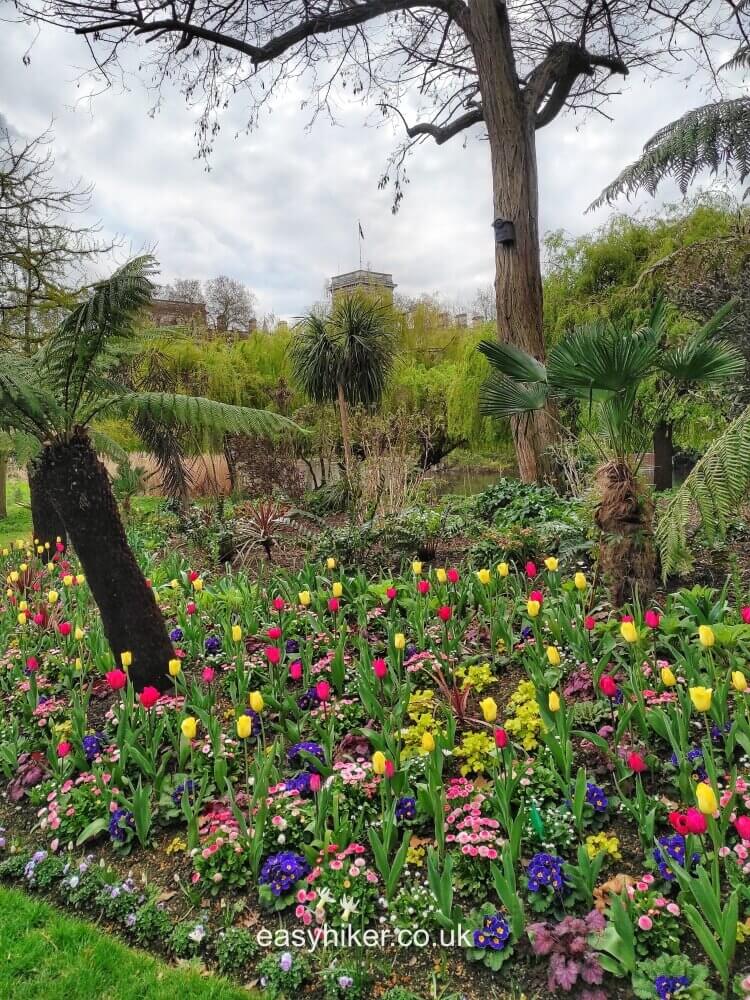
In places, the modern neighbourhood has an almost leafy feel …
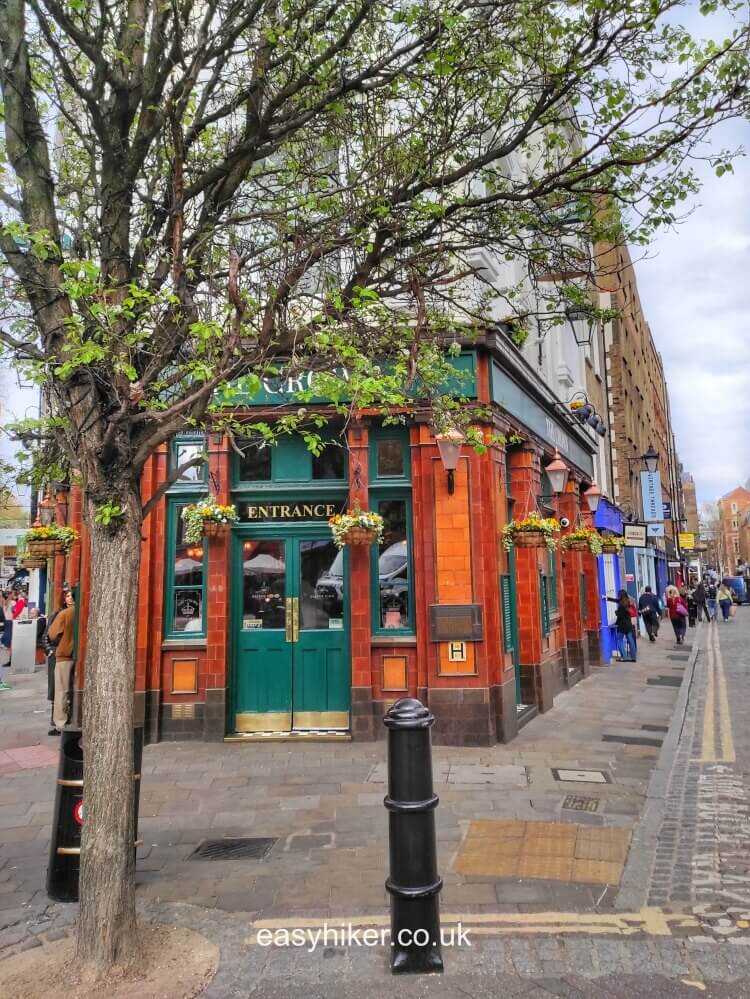
… although it will, of course, never be quite as leafy as St James’s.
While St James’s, it goes without saying, will never be the kind of place where people from different backgrounds merrily rub shoulders on a Friday night. QED: Central London, whatever visitors may think, was not cast from the same mould.




I absolutely love London, visit every year, and it makes me so happy.