In the afternoon of 8 July 1822, Percy Bysshe Shelley, poet and heir apparent to a baronetcy that came with a large fortune, rigged his sailing boat in the port of Livorno to return from a meeting with friends to his home further up the Italian coast in the bay of La Spezia. Ahead of him was a journey of ten to twelve hours, and there were ominous signs of approaching bad weather.
Shelley would also have known that his speedy but unstable boat was especially prone to the risks of high winds, but despite (or perhaps because of) these lurking dangers, he decided to set off – straight into a heavy thunderstorm. He never reached his destination.
The bay is today known as the Gulf of Poets.
Lerici and the Gulf of Poets
The events of that evening have since become a foundation myth of the Romantic movement – and for Shelley himself his lasting legacy.
For every modern reader of Adonais and The Spirit of Solitude, there are hundreds of people who are familiar with the drama of his death: the blazing sails of the fully rigged boat in the thunderstorm, Shelley’s demonstrative dismissal of the warning to “take in sail or perish”, the burial of fire on the beach of Viareggio, the poet’s heart leaping out of the flames.
For some reason, however, the Shelley myth has found its shrine not on the coast of northern Tuscany where these events unfolded but in the small town of Lerici down the bay of La Spezia where the poet spent the last months of his life together with Mary (his wife) and a coterie of friends.
The bay is today known as the Gulf of Poets: no major poet before the English romantics is associated with this spot, so one may safely assume that this is a direct reference to Shelley as well as his entourage of literary friends – above all Lord Byron – and the famous writers who later undertook pilgrimages to the bay.
In today’s walk, we will trace some of these people’s footsteps.
The Gulf of Poets trail starts in San Terenzo, two kilometres northwest of Lerici and easy-to-reach by bus from La Spezia town centre (via the high-frequency “S/L” buses).
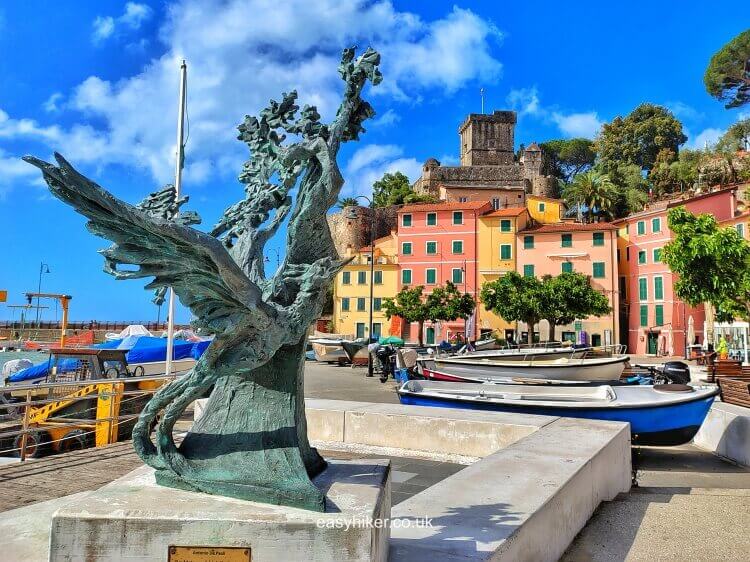
It was here where Shelley and his family rented a house in the spring of 1822. Today’s bubbly village of San Terenzo is considered a suburb of Lerici, …
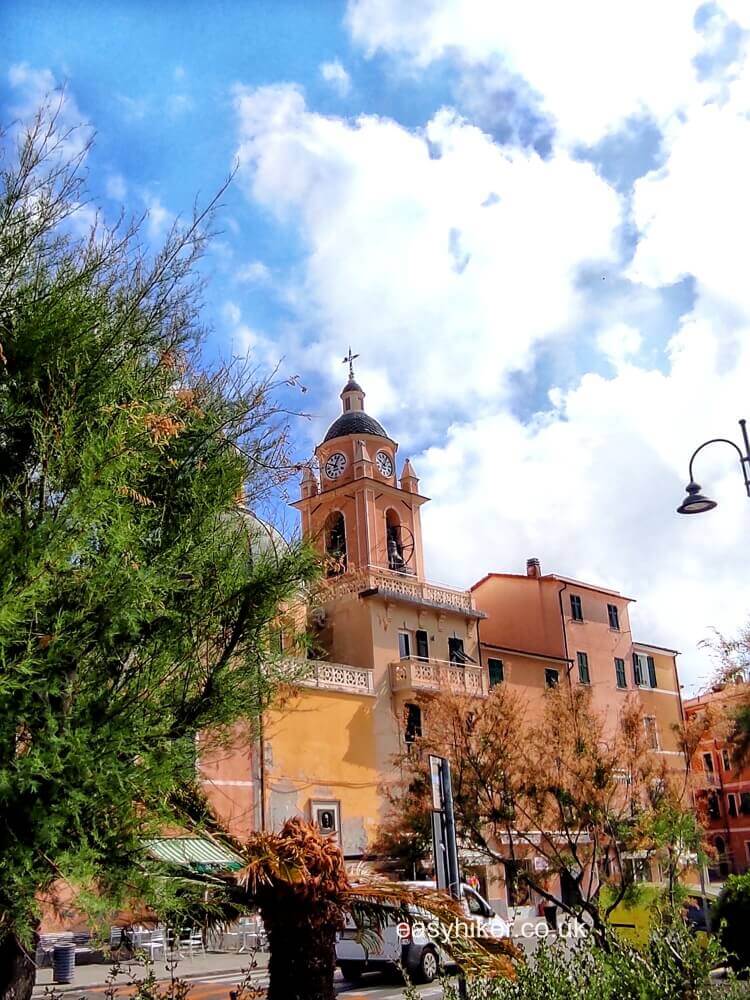
… but in the early 19th century, it was no more than an isolated collection of fisherman’s huts. There was, above all, no coastal road, and the only way to the near-by small town of Lerici would have been by boat or on a winding footpath through the hills.
Shelley and his entourage moved into San Terenzo’s only large building, the Villa Magni, an abandoned monastery that had been used as a boathouse by the aristocratic owners of the estate further up the hill.
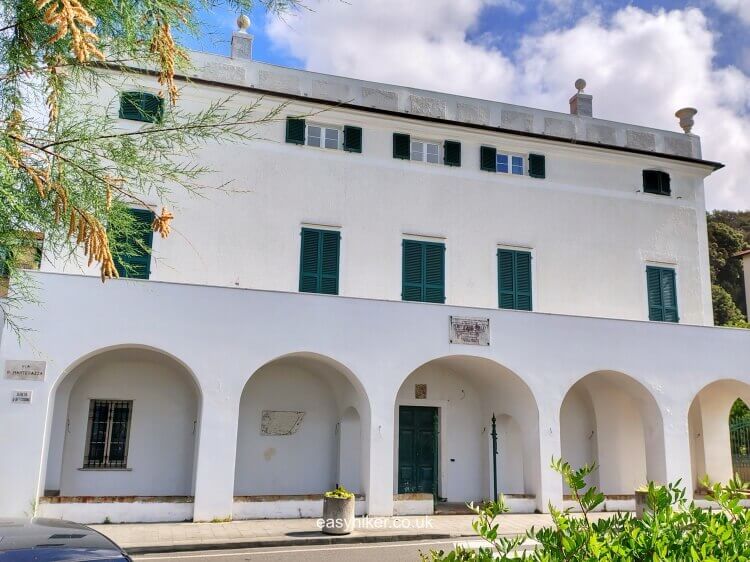
After the poet’s death, the site quickly became a pilgrimage site for lost souls.
Over the next few decades, a number of guest houses and hotels sprung up including the Hotel Miramare right next door to Shelley’s home: this is where Virginia Woolf stayed in 1933. (The building is no longer a hotel, but you can still imagine Miss Woolf peeking out into the bay from the large windows of what must have been the hotel’s breakfast room.)
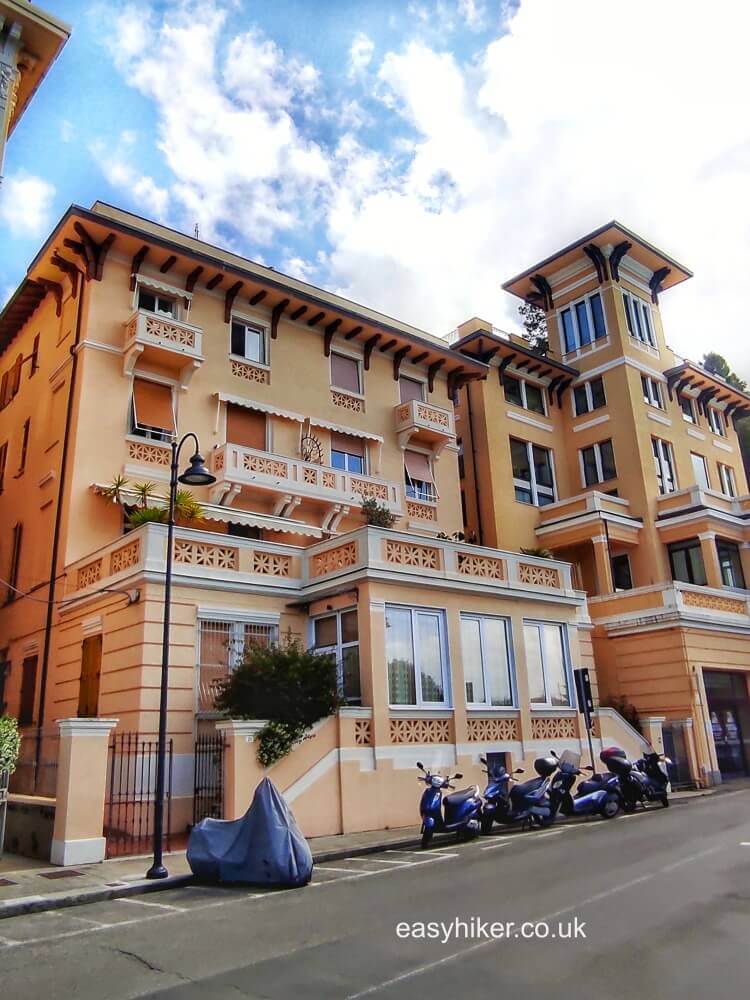
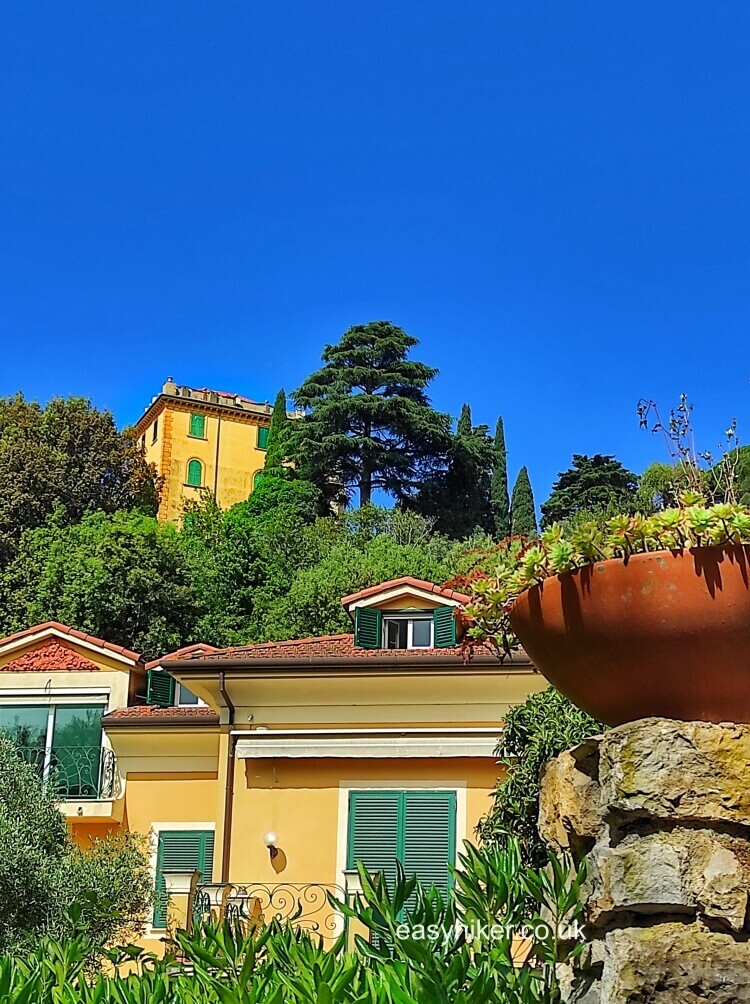
The most distinguished building along the way is the Villa Marigola. It is now operated as a congress centre, and only the gardens are open for visitors (by appointment). You can, however, catch a glimpse of the building a little further inland from the coastal road, provided the iron gates of the neighbouring golf course are not locked.
The Villa Marigola was the summer residence for the aristocratic owner of the Villa Magni, the Marquis Ollandini, whose family had been in control of the estate since the 7th century.
Also notice the walkway between the coast and the coastal road: this is the Walk of Poetry that was inaugurated in 2019 to commemorate the winners of the Lerici-Pea Poetry Lifetime Achievement Prize, awarded every year since 1998 to honour outstanding poets from all over the world.
The commemorative plaques by the seaside – lined up in chronological order from San Terenzo’s Rotonda Pertini to Lerici town centre – carry QR codes that allow you to sample the work of the former winners …
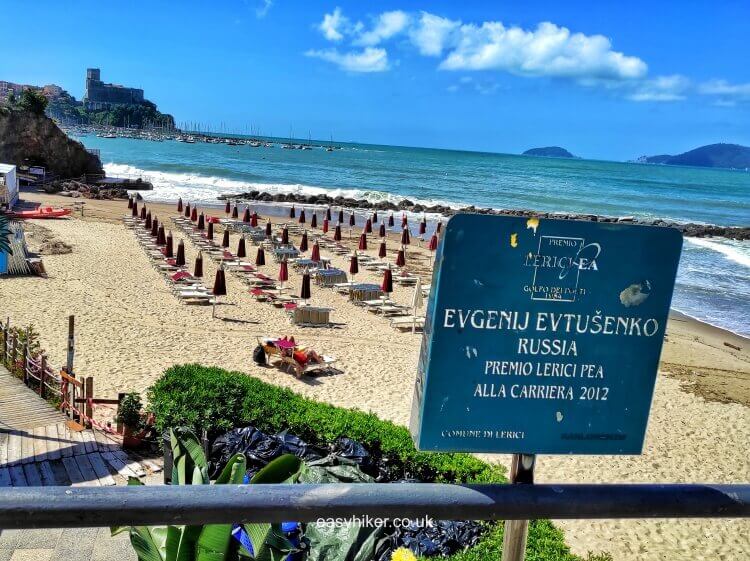
… who include big names such as Seamus Heaney, Carol Duffy (the former Poet Laureate) and Attilio Bertolucci, considered one of Italy’s greatest 20th century poets and the father of the even more famous film director, the Oscar-winning Bernardo.
Do not rush and find the time to pay attention to little details along the way. Much has happened in the area since the early 1800s, but the rugged coast line has changed little since the days when Shelley would have been sitting on a cliff by the stony beach, …
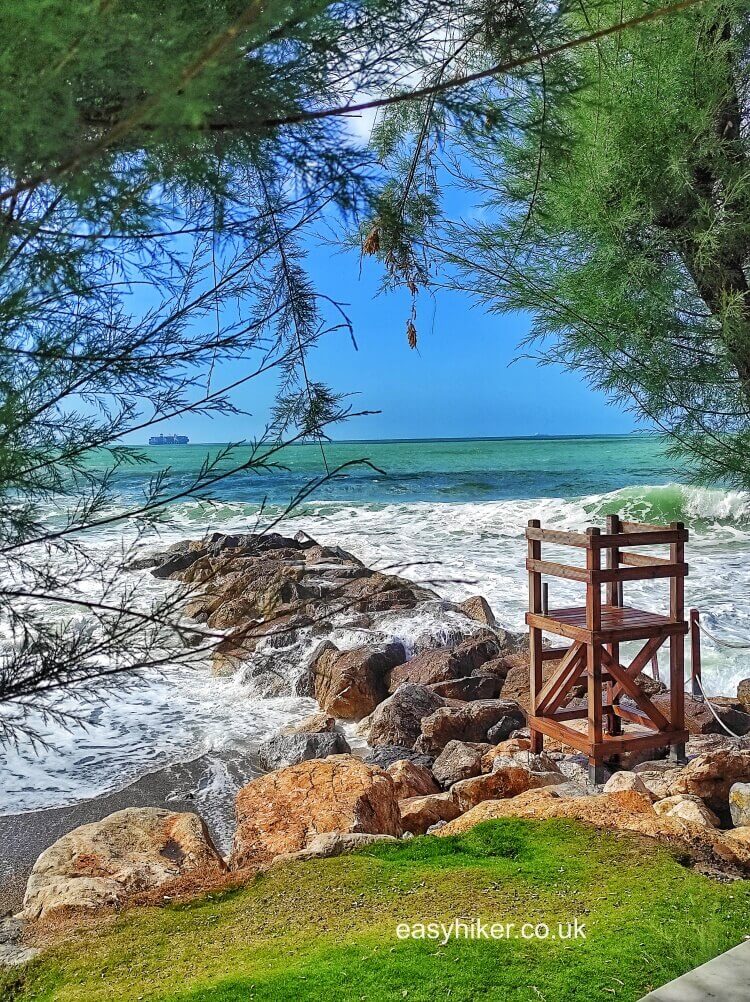
… working on his last (and never to be finished) work The Triumph of Life while listening to the “eternal song of the sea” (a phrase not from the man himself but from D.H. Lawrence, a later resident of the area).
After one hour, Lerici will come into sight …
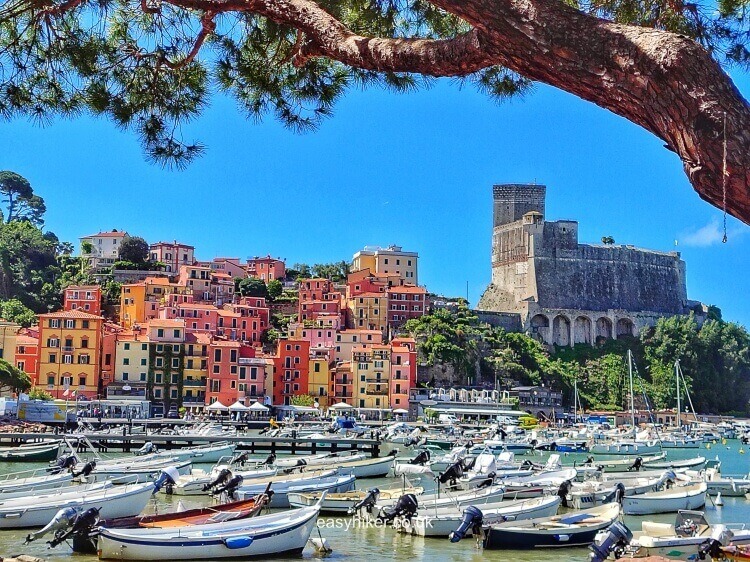
… but before we take a closer look at the town itself, we make our ascent to the historic castle from the extreme left end of Piazza Garibaldi, past the building where Lord Byron stayed for a few days in 1822 when it was still the Hotel Croce Bianca.
For years, the hotel used its connection with the most colourful character among the Romantic poets (“mad, bad and dangerous to know”) in its advertising material – which seems a trifle odd, bearing in mind that the poet himself described his lodgings as the “worst room in the worst inn” of Lerici.
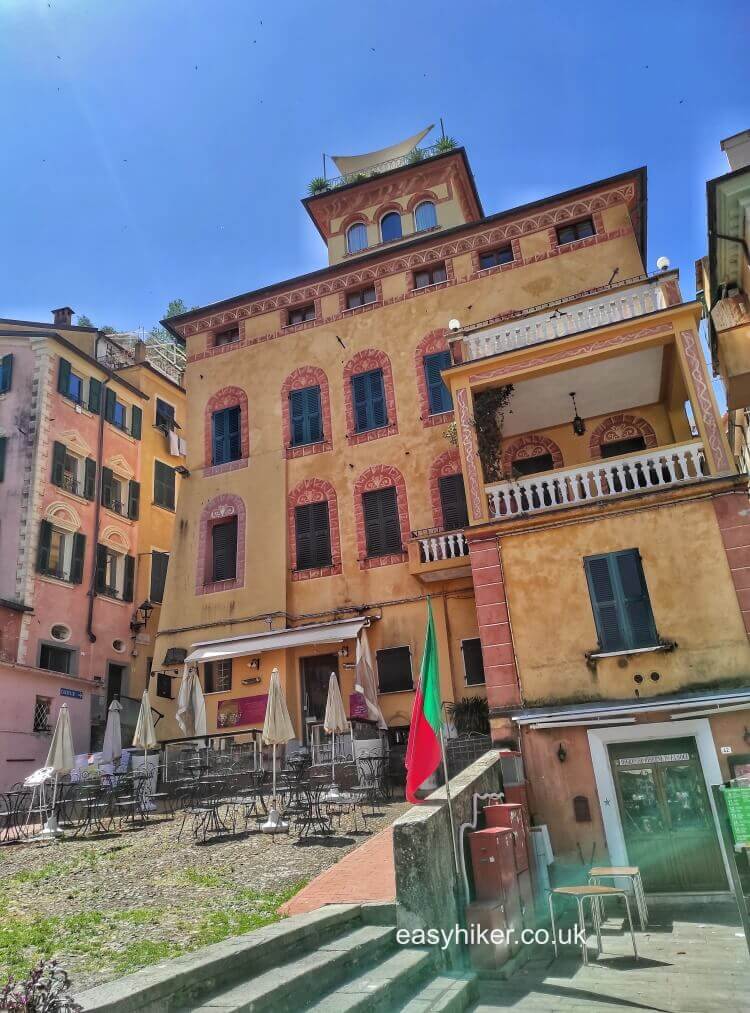
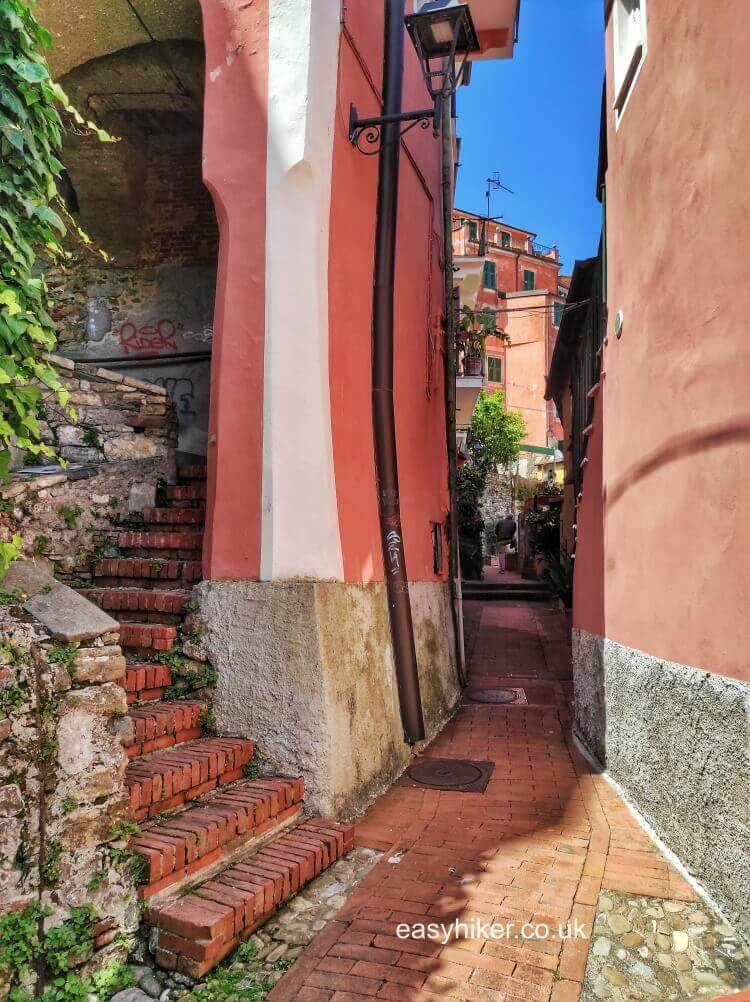
The walk through the winding lanes of the Borgo Pisano, built by Lerici’s Tuscan overlords in the 13th century on the slopes underneath their fortress, …
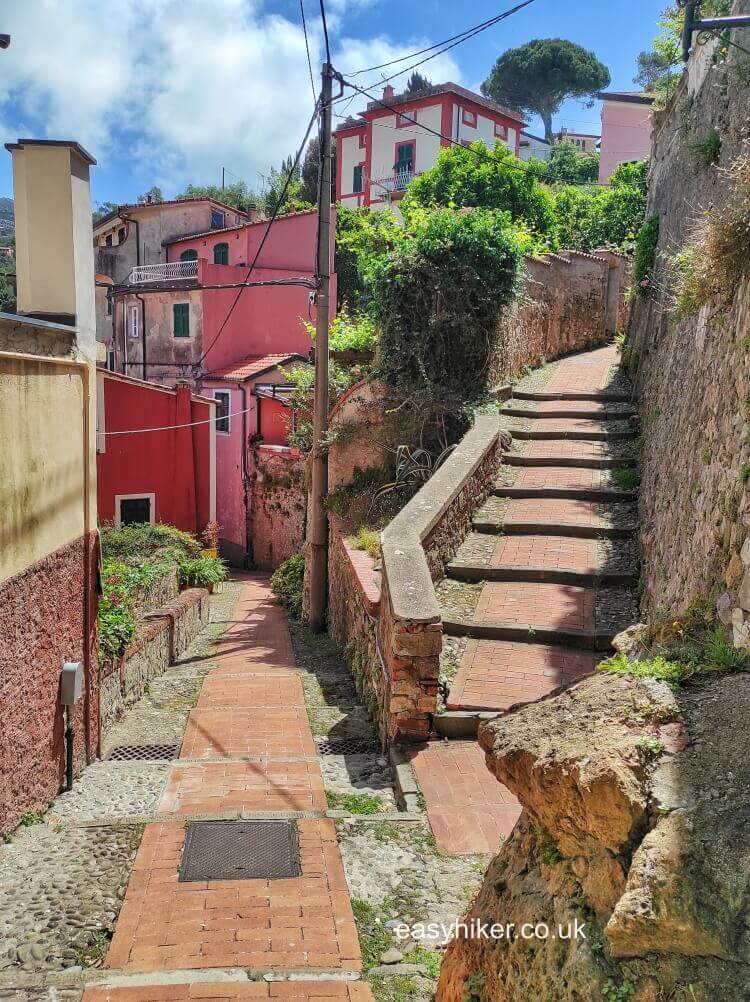
… is the most scenic part of the walk.
Henry James – who visited the gulf as a self-confessed “pilgrim” in the footsteps of his beloved Romantic poets – described it as a “meditative” experience and said that he held “few episodes of my journey to Italy closer to my heart”.
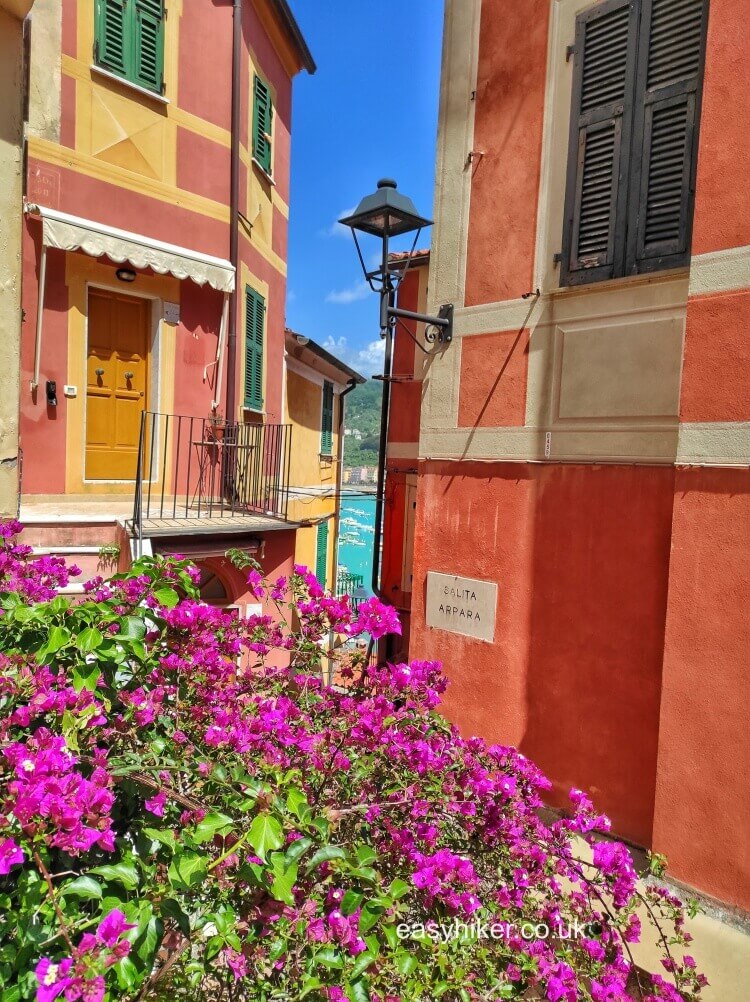
For centuries, the castle that sits on top of the Borgo Pisano served the Republic of Genoa as a maximum security prison. The fortifications were originally built in 1256, so what you are looking at today, is – give or take a few later modifications – the actual structure seen by the poet Francesco Petrarca who visited Lerici in 1338 and described his ascent in a letter to his family. Speaking about ancient footsteps!
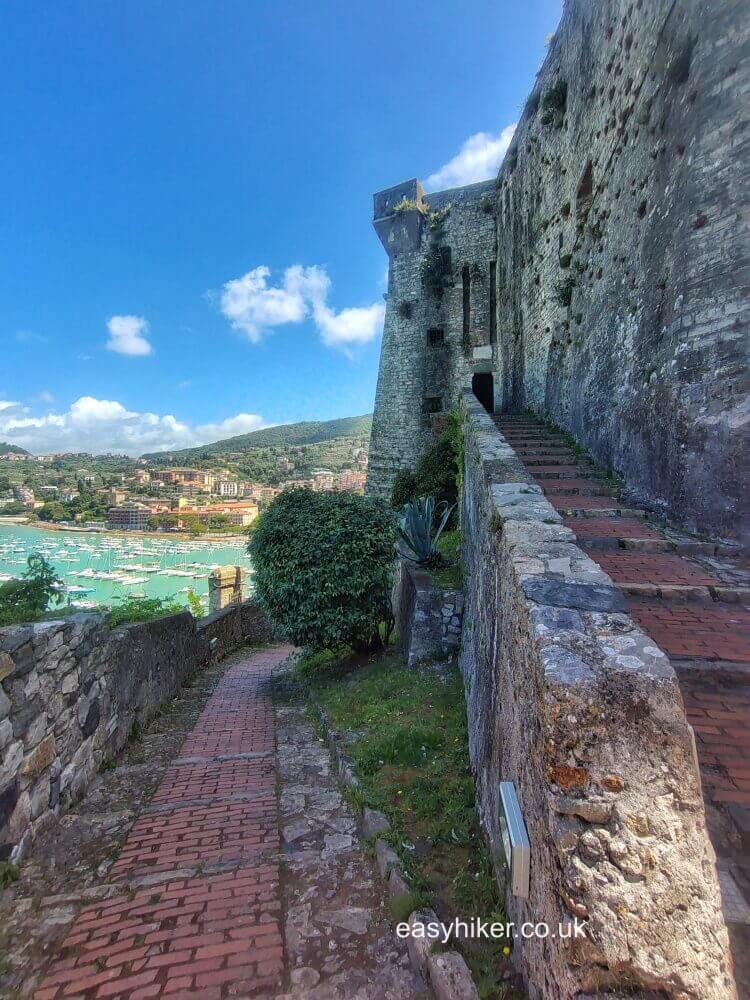
We have no idea, of course, at what time of day Petrarca walked up these hills. We do know, however, that Henry James came here late in the afternoon (“in fading light, overlooking the sunset”), whereas another writer, Pierpaolo Pasolini (who is as famous in Italy for his poems as for his films), made the ascent early in the day (“morning dawned, and all was white”).
But if you, like us, have left La Spezia early by bus, you will complete the walk right in time for lunch, which also has its advantages.
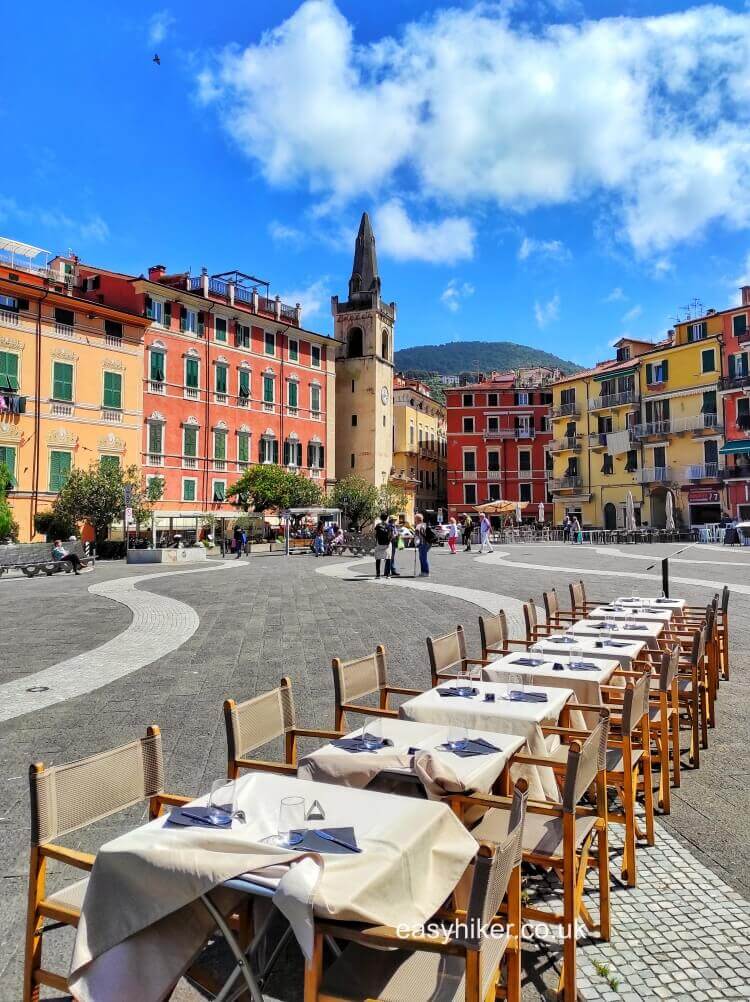
There will still be time for a stroll through town later, but first things first. A mid-day meal on the piazza of a beautiful Italian town should be as much a part of every visitor’s experience as the sea and the sun.
A tavola!