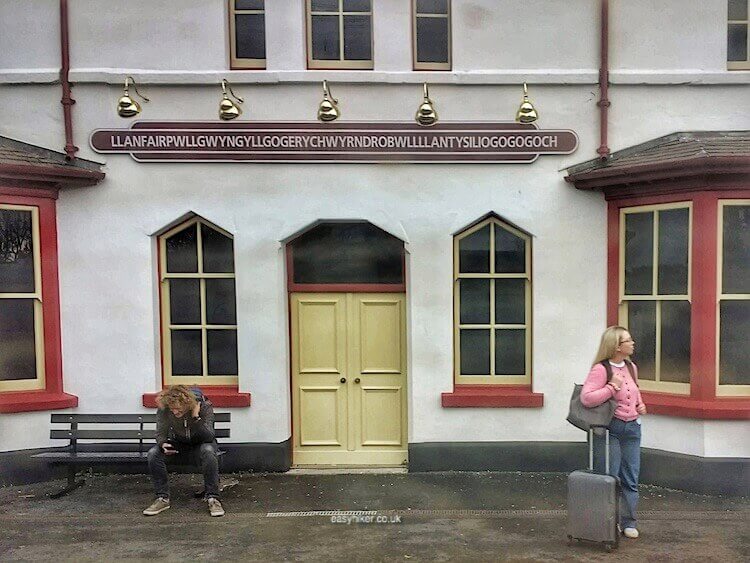
Wales and Brittany have more in common than bad weather: both regions were once run as independent countries and then gobbled up by stronger neighbours (England and France, respectively).
This happened almost a thousand years ago, but both Wales and Brittany are still sitting a little awkwardly in the countries to which they have belonged for such a long time.
Neither is, however, a rebel province like Scotland or Corsica: the anger that both the Welsh and the Bretons have felt about their historic defeats has long ago lost its violent edge, mutating into a palpable pride in their ancient traditions as well as their still widely-spoken Celtic languages.
More to the point, both Wales and Brittany also have a coastal walk. Sometimes the Wales coastal path strays a little further from the sea and may not be as continuously grand as its cousin in Brittany, but its best spots easily rival those you can find in the north of France.
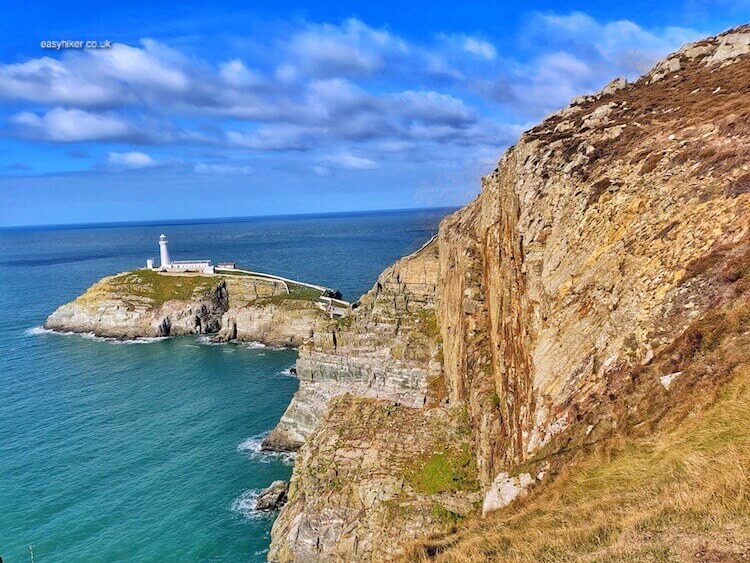
This calls for a different strategy of exploration: rather than choosing a continuous stretch of the Llwybr Arfordir Cymru coastal path (the Welsh language is full of mysteries and alien sounds), you may instead opt to focus on its highlights – a strategy that, in some circles, is also known as cherry-picking.
One place where the cherries on the Wales Coastal Path are particularly plentiful is the island of Anglesey opposite the north-western corner of the peninsula. In our next two posts, we will take a closer look at this island, starting today with what is Anglesey’s signature scenery of the South Stack Nature Reserve.
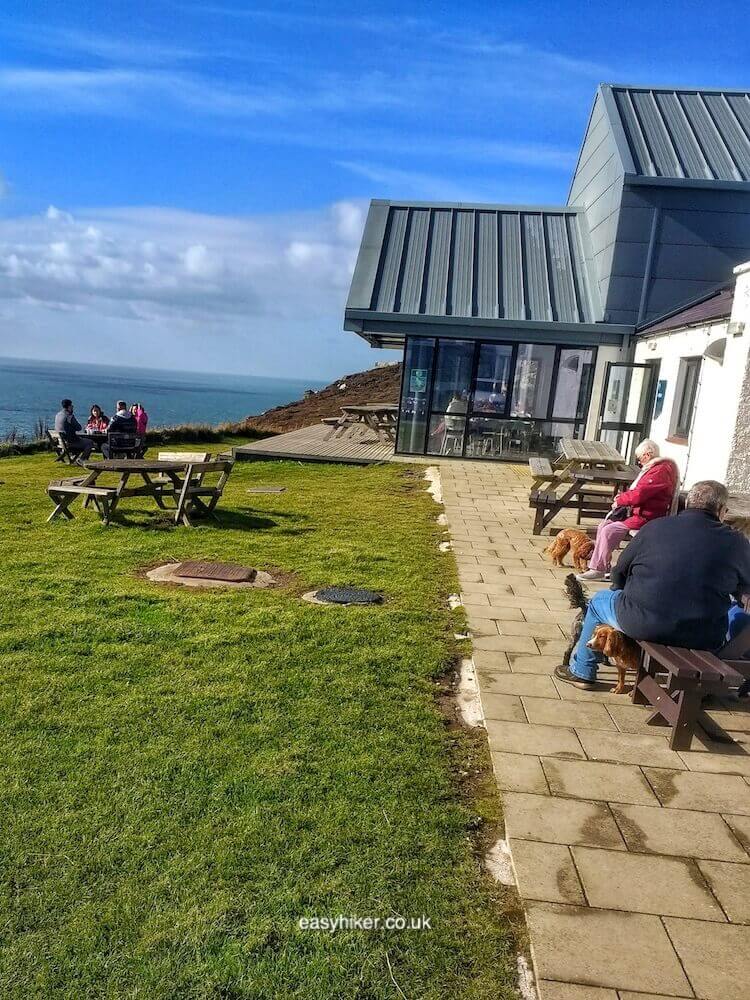
There is not much wrong with this stretch of the Wales Coastal Path: the views are great, the trail is easy-to-find and easy-to-navigate, and on top of that, in the middle of it sits a well-equipped visitor centre with all amenities and places to sit down and rest, both outdoors and indoors. They will even serve you a cup of coffee or a light meal.
South Stack is not even particularly remote: it is located only 5 km from Holyhead railway station, which itself is well served by the coastal train line. There is only problem, and that is the last mile – or three miles, to be more precise.
There is no public transport connection, and the walk from Holyhead town centre runs partly on the shoulder of a busy highway. You may be fortunate and find a taxi by the train station, but it is better not to count on your luck and have a number ready to call – although even that is no guarantee that you will immediately get a car to shuttle you up there.
Once you have found a driver, we suggest you give him a good tip (the standard fare is 10 pounds) so he will be eager to quickly pick you up for your return.
The drop-off point at South Stack is usually the large visitor car park from where you have several options for a hike. We suggest to walk down in the direction of the coast …
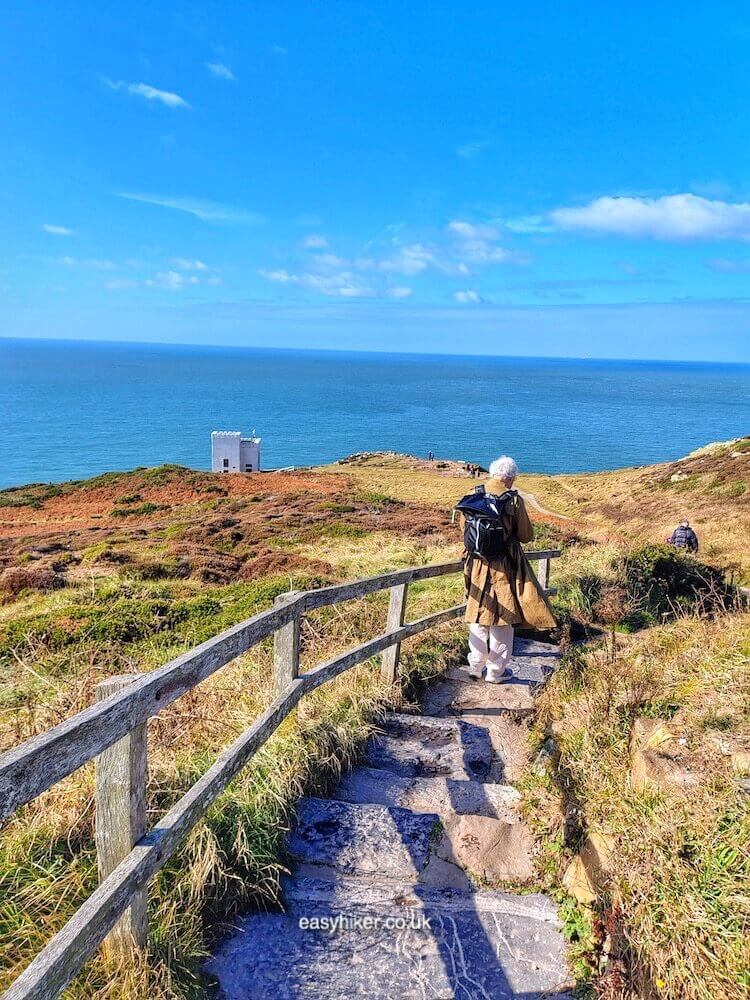
… and then turn left.
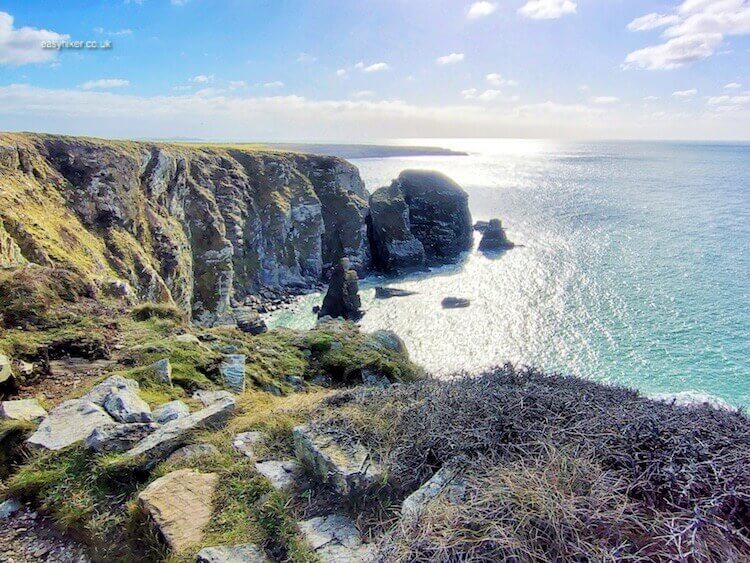
Considering how well attended the visitor centre was, we were surprised at how little company we had on the trail. For an hour or so, it was easy to feel like the Wanderer Above the Sea of Rocks or some such character in a Romantic tale of windblown solitude and existentialist struggle.
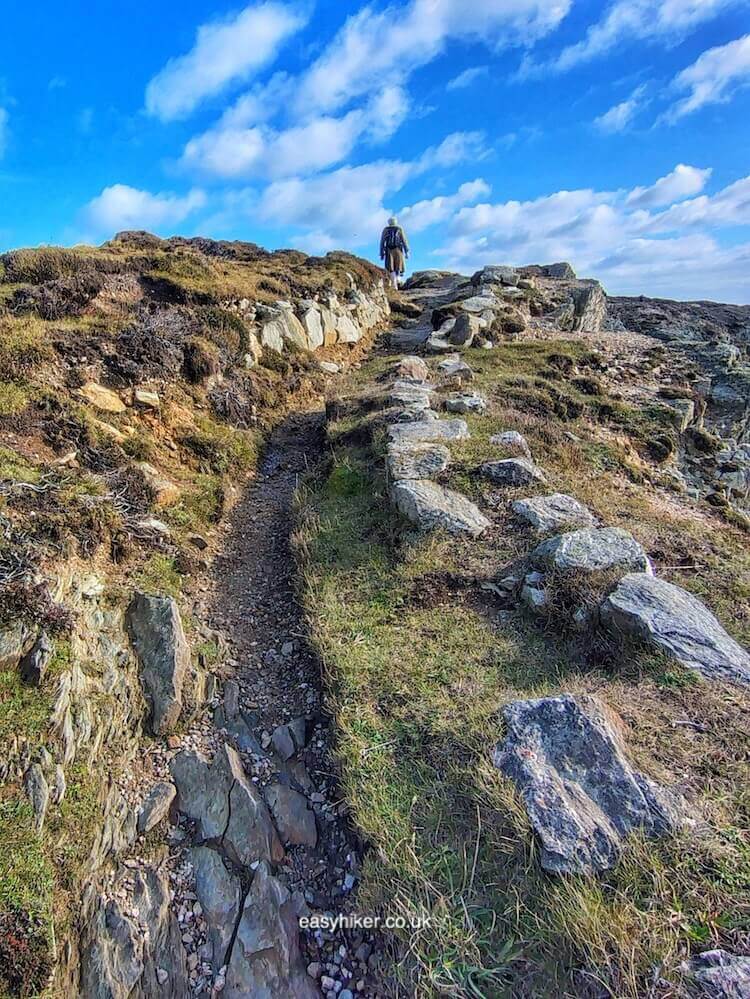
But do not get carried away and walk too far out (you will still have to march the same way back). Take it easy – and at least a few minutes of your time to sit down for a rest. Sometimes, it is simply too much to do it all at once: to watch your step on the stony trail …
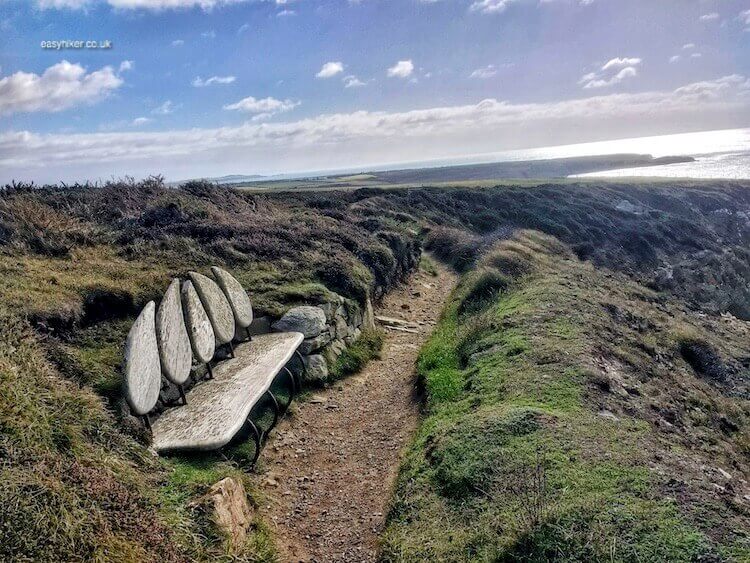
… and to take the views and the scenery in at the same time.
This may also be one of the few times it is advisable to go for proper hiking boots than a pair of light trainers. Do not let the existentialist struggle end with a sprained ankle.
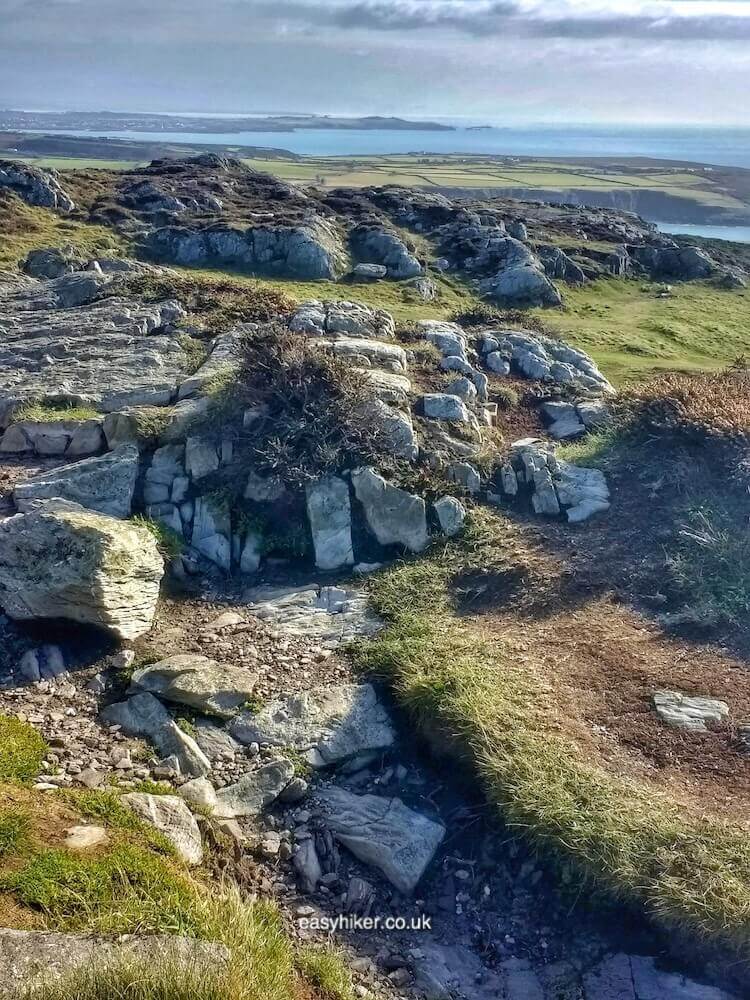
Be patient: give the drama of the landscape the time to unfold. Sometimes, if you are lucky, you can even make discoveries without moving an inch, because the discoveries are coming straight at you.
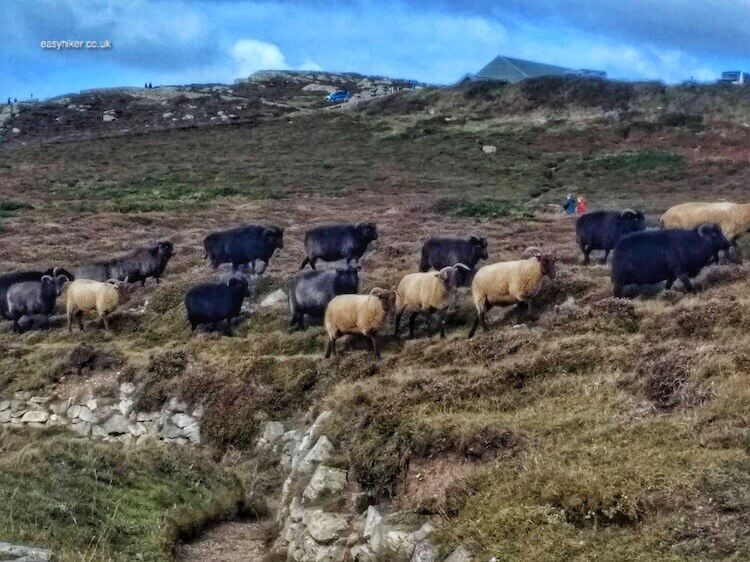
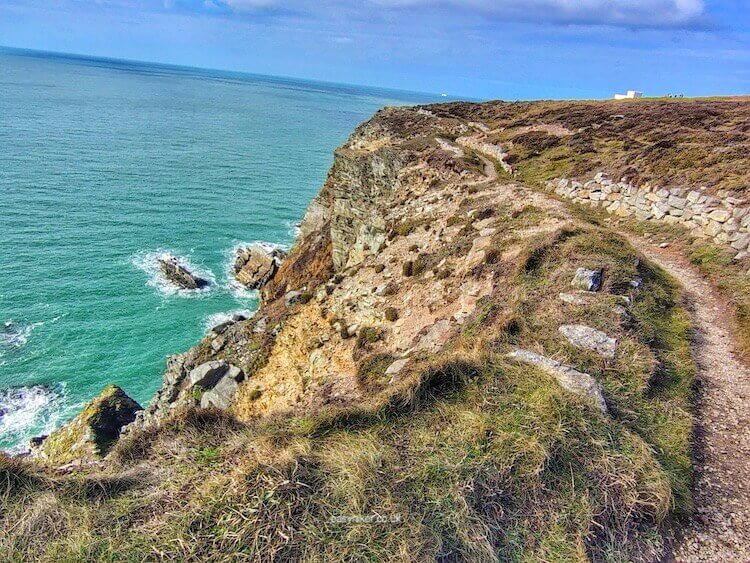
In theory, walking the same trail back to where you started may sound boring, but in South Stack, we were surprised how fresh the trail looked to us in reverse. What a difference a change in scenic backgrounds can make!
And before we knew it, the little white house at the foot of the visitor centre once again peeked over the cliffs …
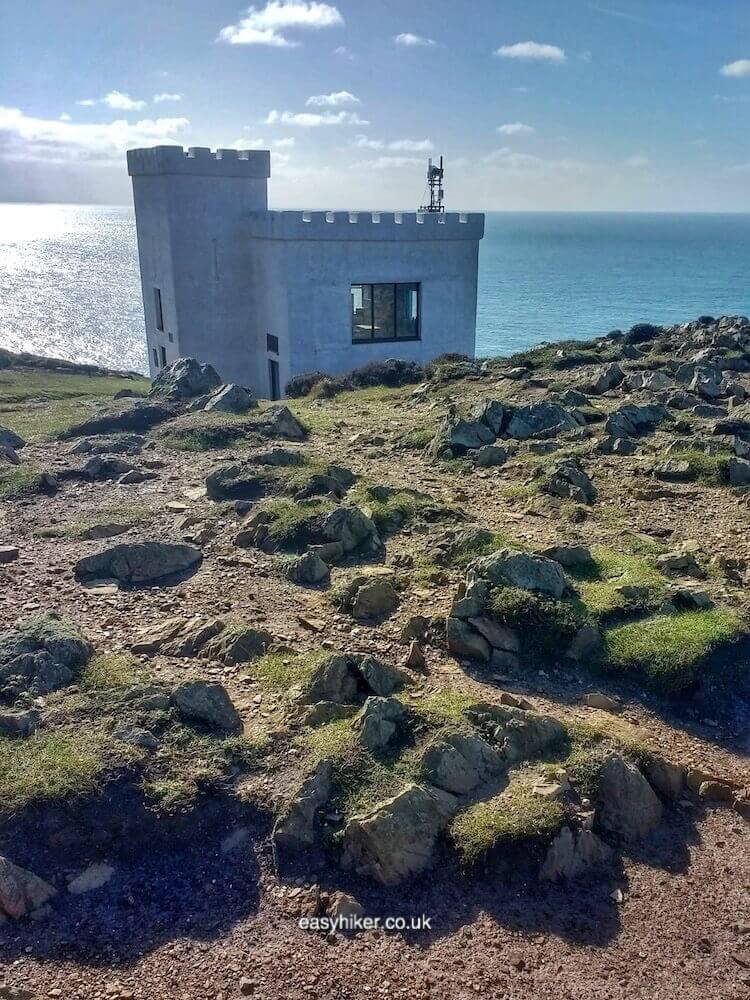
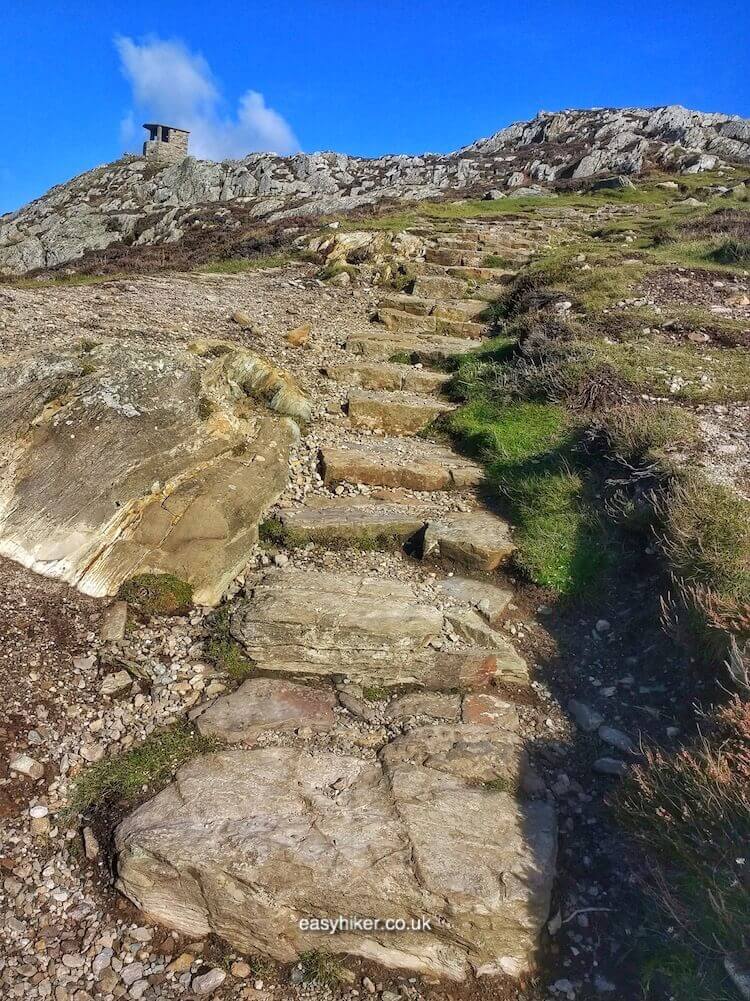
… which was a call to give Ellin’s Tower a little more attention.
This charming architectural folly was built in the 19th century as a summer retreat for William Stanley, the local MP and one of the richest men in Wales. (Ellin was the name of his wife). Eventually, the building passed into public hands and has served ever since as an observation station: in WWII to keep an eye on enemy movements in the Irish Sea, nowadays to watch wild birds on their annual migration paths.
There is one more reason not to venture too far out southbound on your coastal hike: you will want to have some time at the end of it to turn the opposite way for a closer look at the lighthouse.
Whether, however, you want to walk all the way down to South Stack island (and, after that, up again) is a different matter. When we took some pictures of the lighthouse from the top of the cliff, …
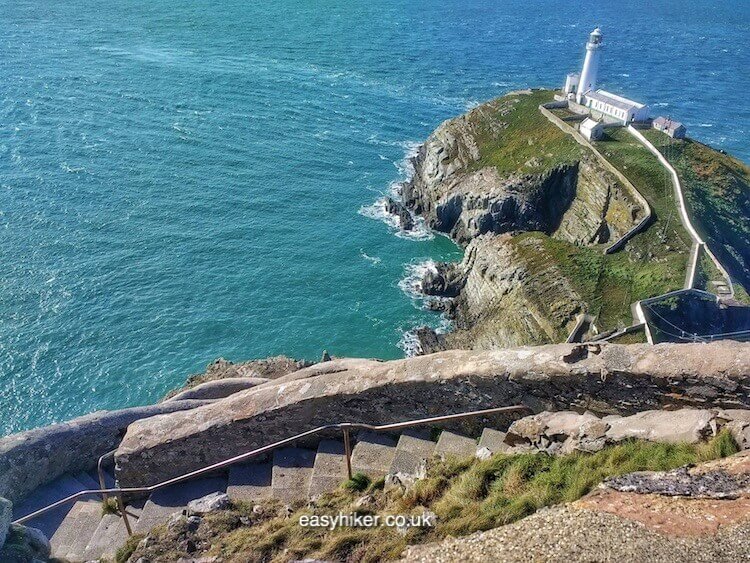
… all the people we saw stumbling up the stairs were red in the face and struggling to breathe. We interpreted that as a sign from the Gods of Travelling and turned the other way.
If you are equally not in the mood for a near-death experience but still have some energy left, you can instead choose between three circular walks, all of which have been named after the wildlife you are most likely to spot along the way. (Look for the signposts on the inland side of the coastal trail.)
For hikers with both stamina and a lively interest in rare birds, there is the 6-km-long Chough Walk that will take you all the way to the highest point of the island, called Holyhead Mountain. (It may only rise to the not-quite-majestic height of 220 metres, but on a clear day, you can apparently see Ireland from the summit.)
For the rest of us, there is the Dragonfly Walk (ponds and wetlands) and the 45-minute Puffin Walk to the place where children’s books go to breed and multiply. (It’s birds, actually. But to see them, you have to come in May or June. At any other time of the year, the cliffs are as blank as a Puffin book’s flyleaf.)
One final tip: we suggest you treat the train ride to Holyhead (hourly-to-half-hourly trains from Chester, which itself is well-connected to Liverpool) as an essential part of your adventure. From the window of the train, you can enjoy some grand views with a background of distant Snowdonia …
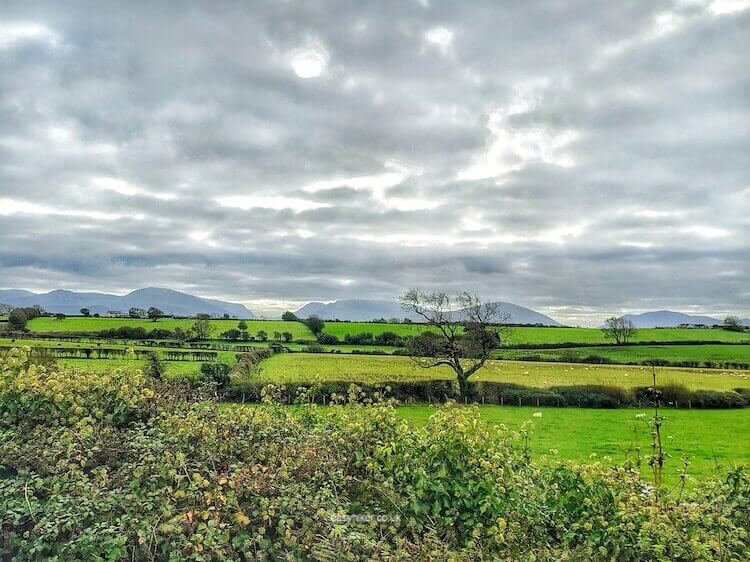
… and you will also pass a small airport: this is the RAF base where Prince William served for three years as a helicopter pilot. Keep your eyes open: you never know what surprises may be lurking by the side of the railway tracks.