Holidays are full of surprises! Or at least, they should be because that, after all, is the very essence of a break: to abandon your every-day routines and their dull predictability.
Not all surprises can be pleasant, of course, but the bad surprises are the price we have to pay for the travel experiences we will never forget, the best souvenirs that you can take home.
During our latest trip to Brittany, the town of Lannion was the most positive surprise package in our bag of goodies.
The Surprise Package of Lannion
All we had wanted was a base: a place with a well-developed tourist infrastructure (a choice of accommodation and a range of restaurants) but, above all, good travel connections, i.e. a train station to get to and a couple of bus lines to roam around a little.
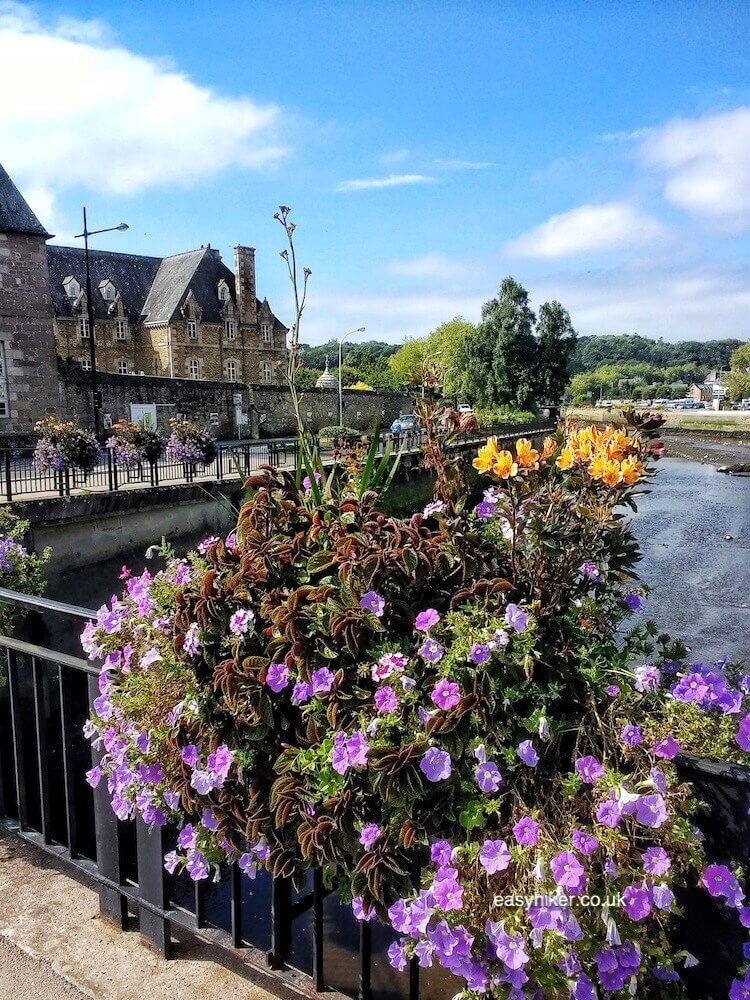
It turned out that Lannion was quite lovely on top of all that, and we found enough in town to keep us entertained for a full day during our stay.
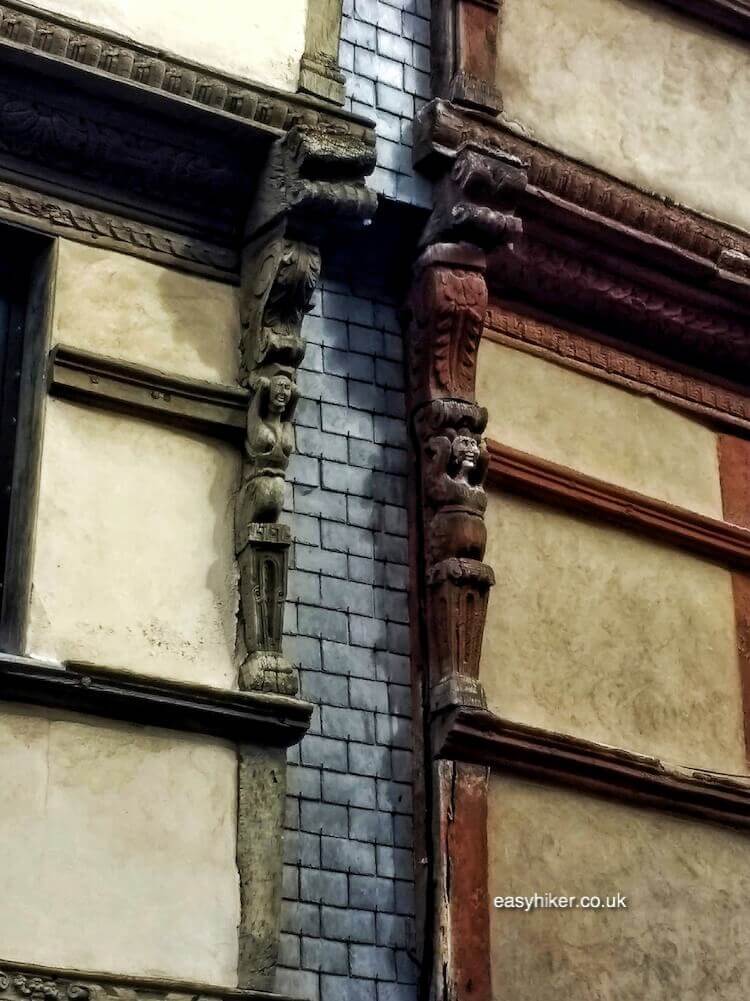
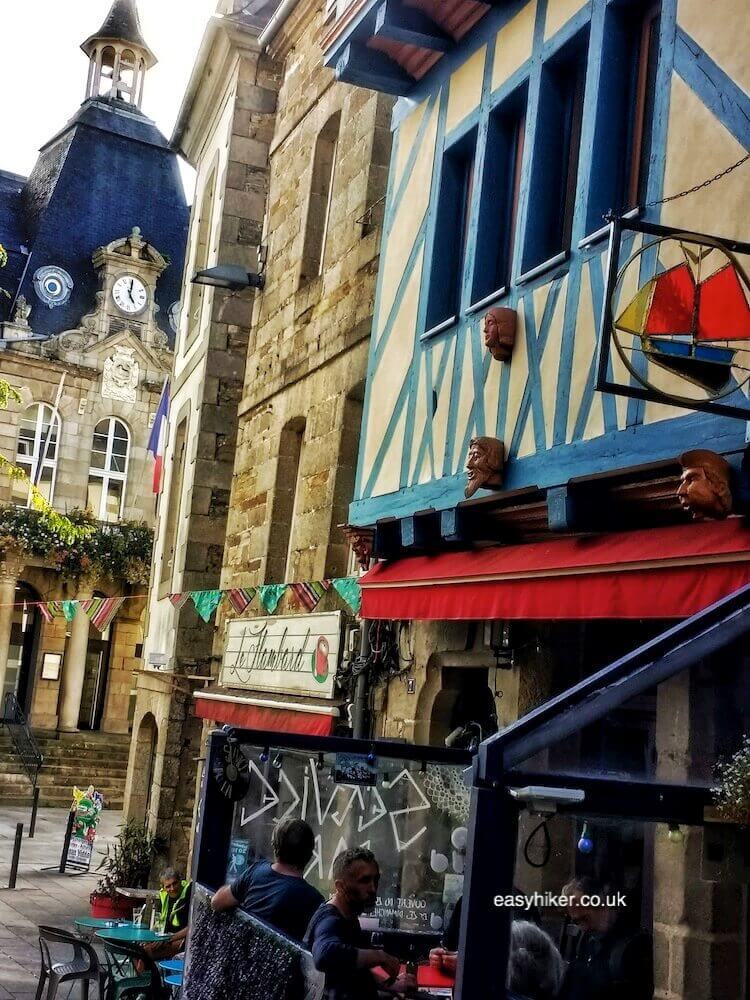
Few people outside of Brittany will ever have heard of Lannion, but the town goes back to Roman times and was an important centre of trade during the 16th and 17th centuries. Many handsome buildings have survived from this period and bear witness to Lannion’s former standing and wealth. The mix of half-timber framed houses and of buildings made from Brittany’s signature grey stone gives the old town a special flavour.
Lannion is the largest town in the west of the Cotes d’Armor département – together with its suburbs, it provides a home to more than 50,000 inhabitants – and quite lively by the standards of the region.é
Brittany is not Paris or the Provence: the people here spend much less time outdoors, and many smaller towns have virtually no street life at all.
Lannion, by comparison, is positively bubbly, and there are plenty of pretty places that invite you to sit down on a bench and observe local life go by.
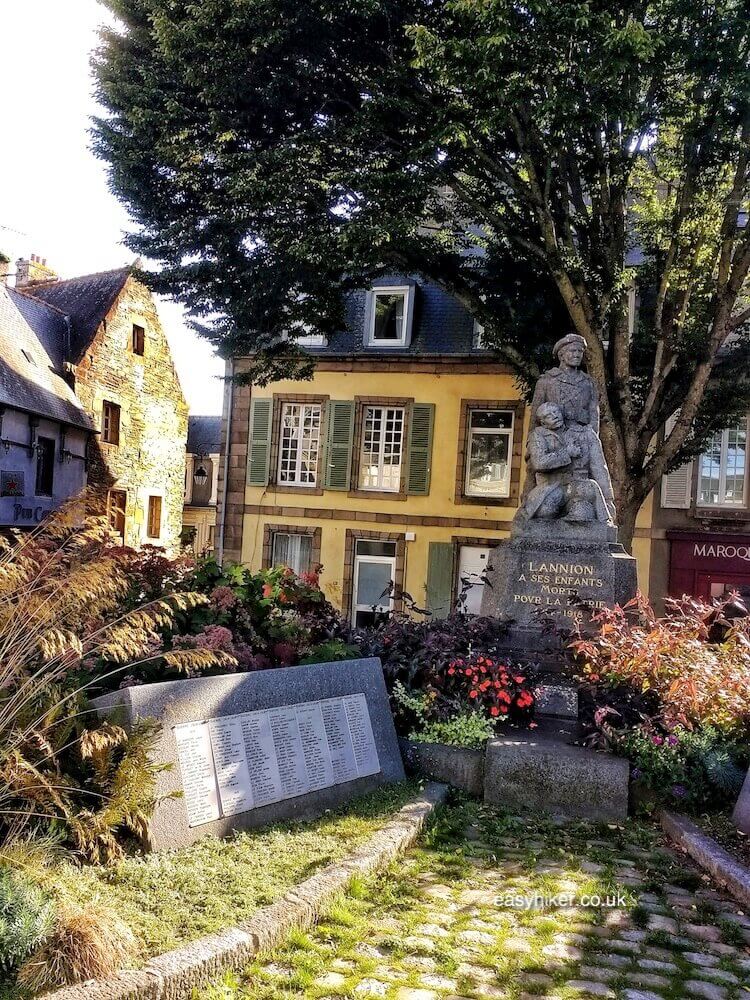
Lannion also has a good deal of history, although this history is not of the type that you would read about in textbooks.
The oldest part of the town is the quarter around the 16th century church of Saint Jean …
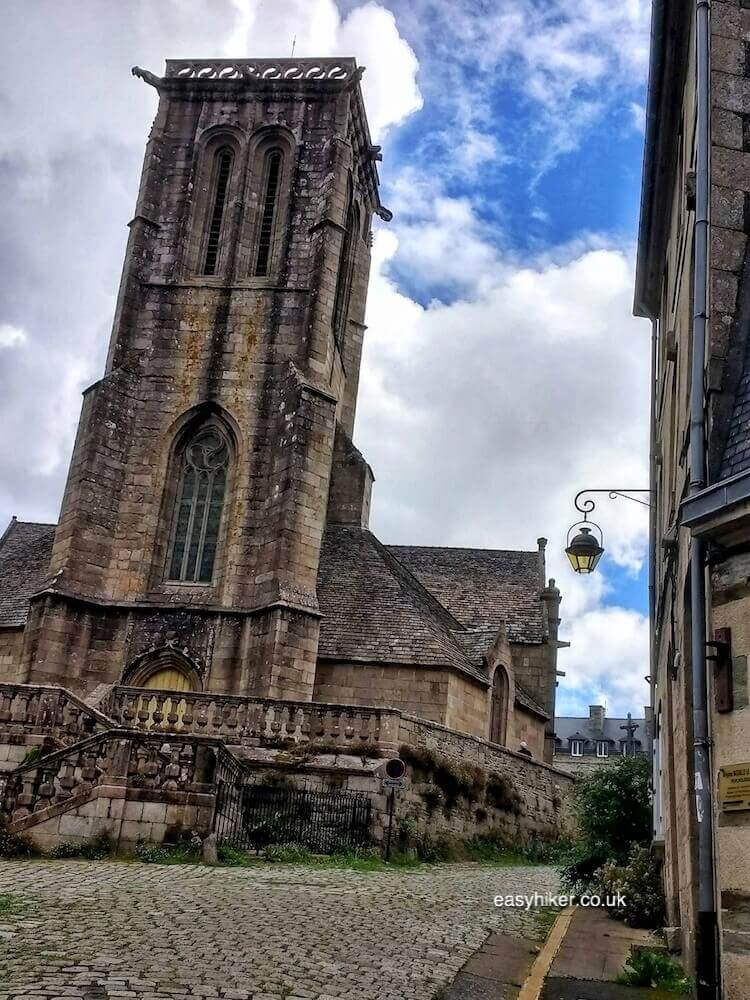
… but the only feature of the townscape that makes it regularly into the Brittany highlights package is located a short walk out of the town centre in the quarter of Brelevenez.
This walk will lead you to another church, the Eglise de la Sainte Trinité, but it is not the church as such that has put Lannion on the tourist map but the approach.
We suggest to enter the quarter from the east, via the Rue de Crec’h de Quellien, a route that crosses “Old Brelevenez”, an area that has plenty of character …
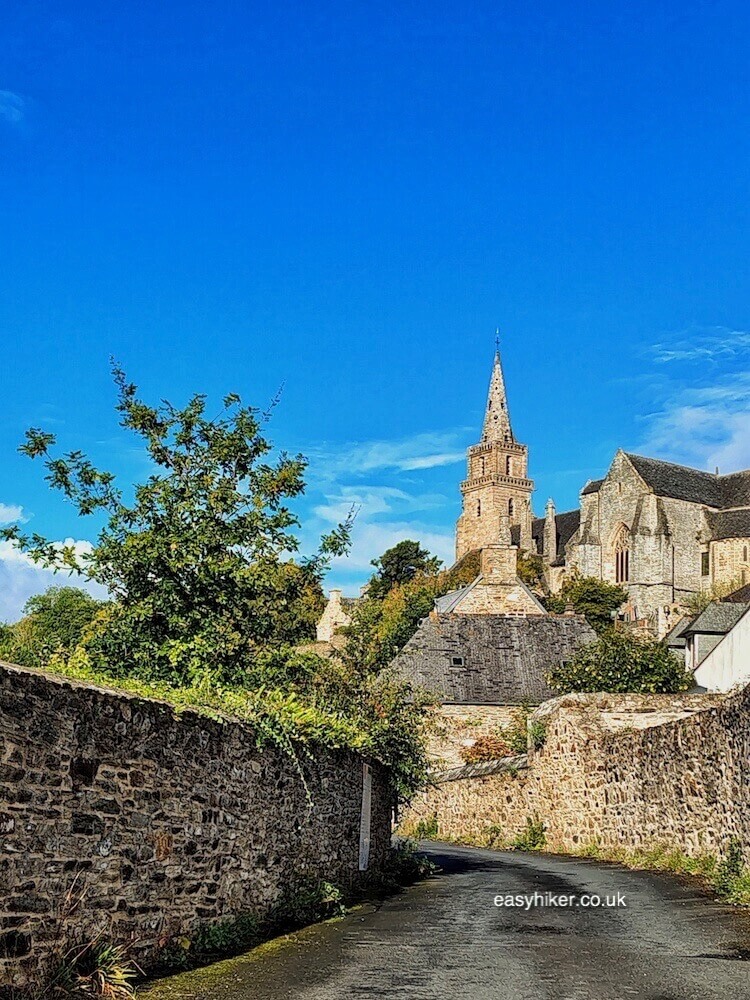
… before tackling what has put Lannion on the tourist map: the Escalier de Brelevenez with its 140 stairs.
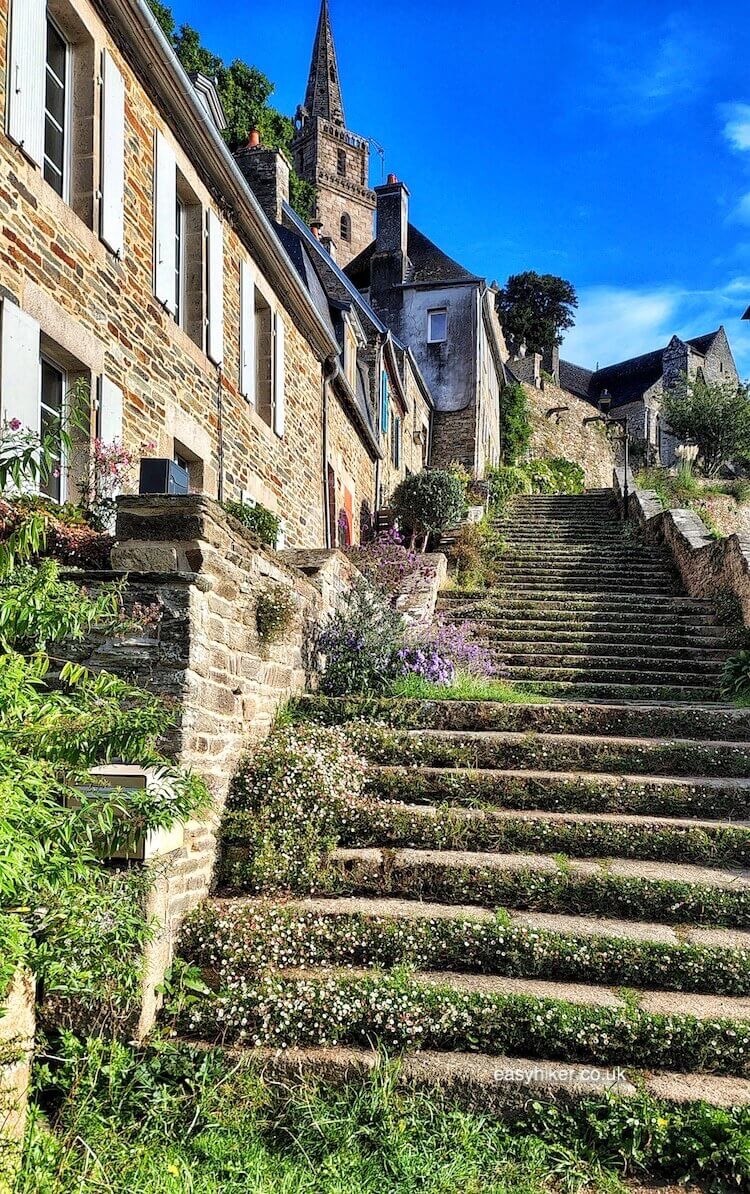
The scenic panorama across town and countryside is much praised, but we thought that the best view you get from the top is the one down the stairway.

After this uptown climb and the stroll downtown, the third item on the Lannion itinerary is a crosstown walk – following, yes, the GR34.
Lannion is not a coastal town, but we found out – much to our surprise – that the coastal path had followed us quite a way inland …
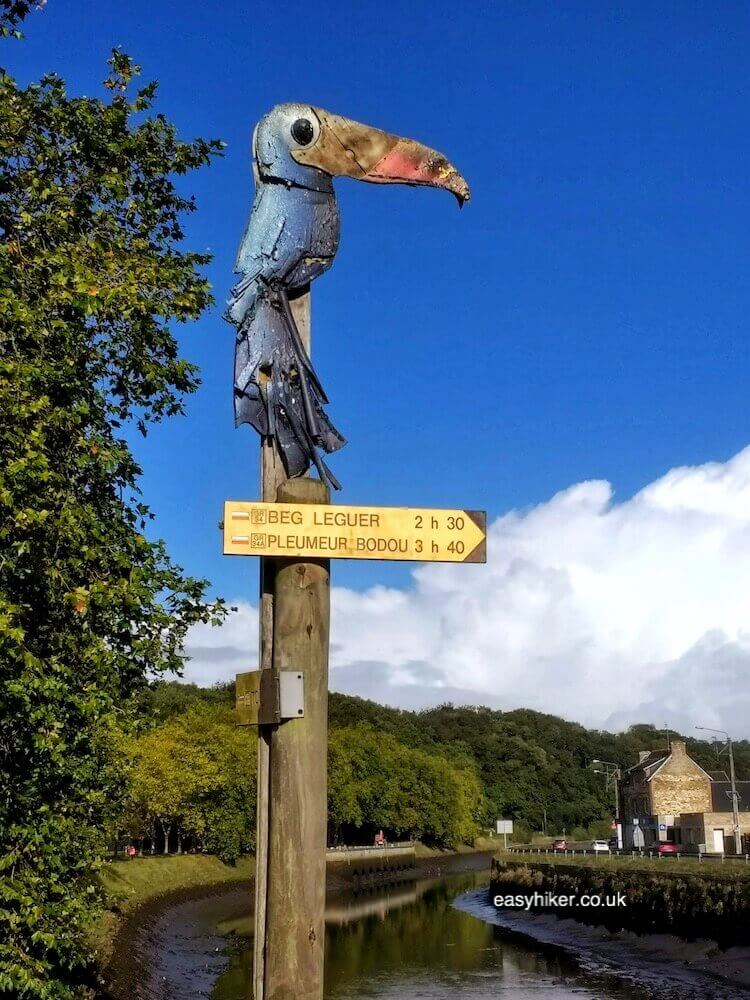
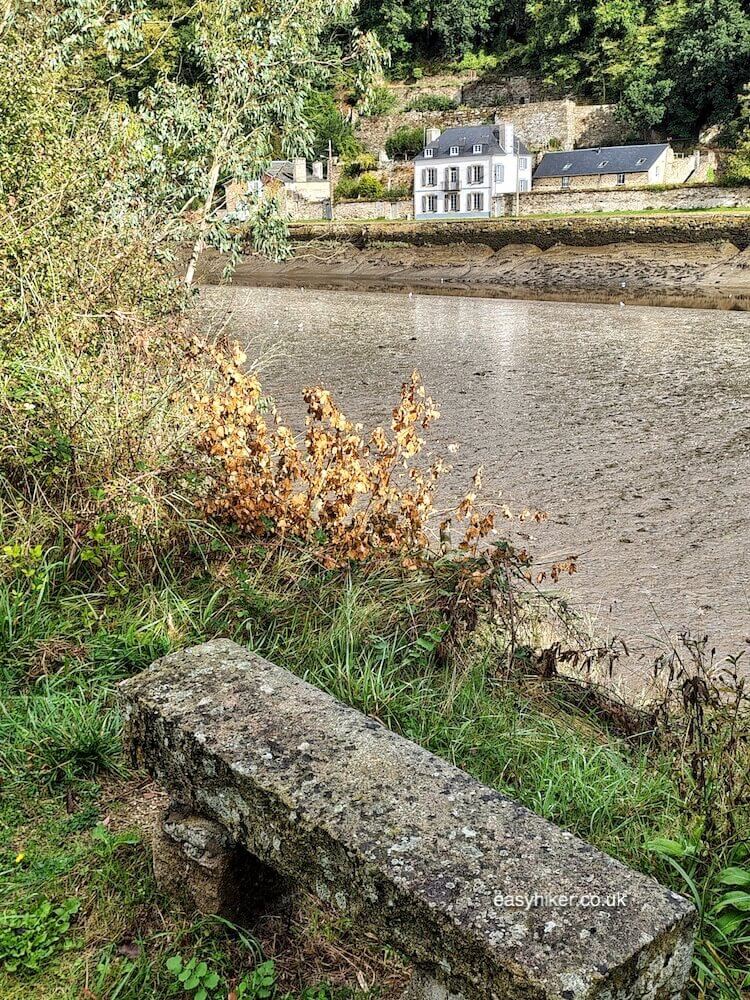
… via the estuary of the Leguer river that reaches all the way into the town centre.
We are now, mind you, a good 10 km away from the spot where the Leguer flows into the Atlantic Ocean near the Beg Leguer lighthouse, but this is how far you have to go the find the first bridge that allows you to cross the river to continue the coastal walk.
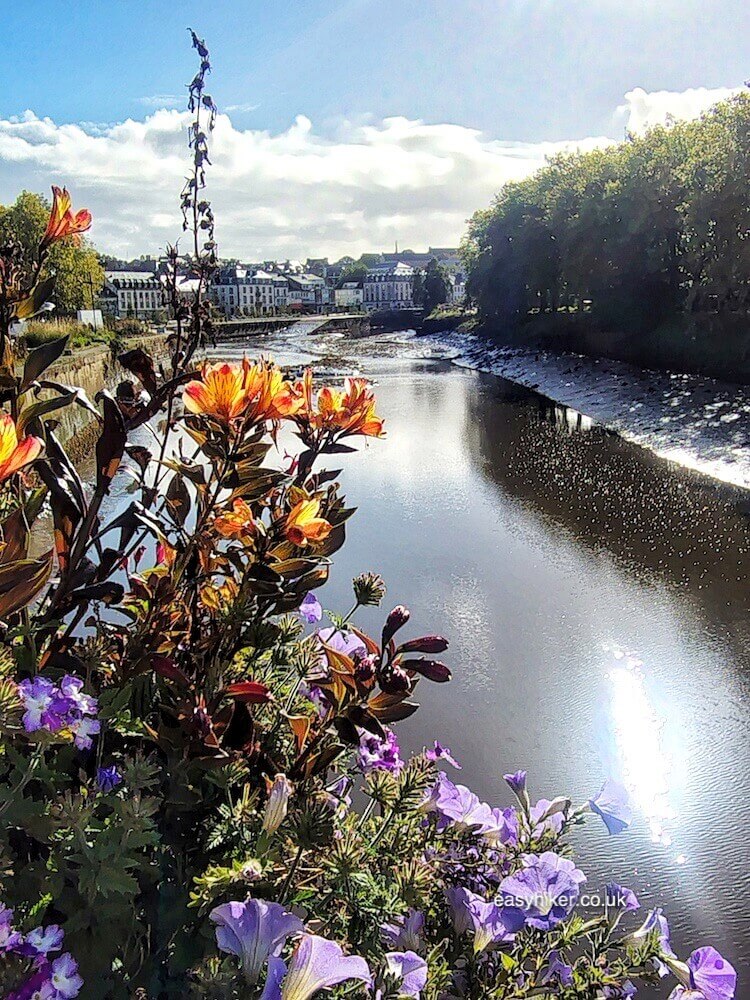
So if you have set your mind on completing the GR34 from start to finish, the entire 2000 km of it, you have to walk 10 km on one river bank and then 10 km back on the other.
This may not be the most eventful stretch of the Brittany Coastal Path, but it is well worth a short walk: a light dessert after the rich meal of the Granite Coast.
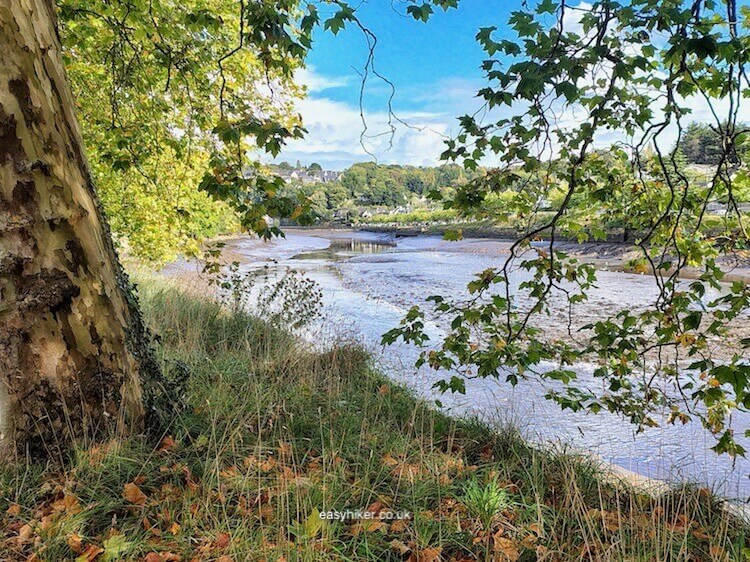
Further upstream, the Leguer leads a different life as the last wild river in Brittany, a place for salmon fishing and all kinds of outdoor adventures. Here, however, the river – as well as the coastal path – has an unmistakably urban flavour.
Finally, a few words about what might be the best strategy for exploring the Brittany Coastal Path.
The most important thing to consider is this: the GR34 is a single trail much in the same way in which France is a single country. Individual parts of it have many things in common, but there are also many things that set them apart.
It makes sense to divide the trail into at least five sections: the Bay of Mont Saint Michel, the Emerald Coast around Saint-Malo, the Pink Granite Coast, the charmingly labelled Finisterre (literally the End of the World) where the coastal path turns towards the south, and finally the western coast of the Morbihan. The GR34 is a trail that comes in many flavours.
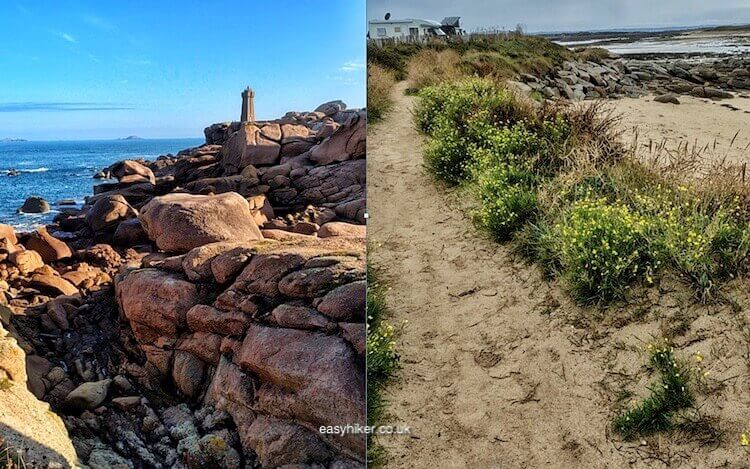
We suggest you do your research and then go for one section that meets your requirements. Complete a longer stretch if you have the time for it, but if you can only spare a weekend or so, you may want to choose a base near the coast and go for a couple of day hikes.
As part of your research, you should also look into the local transport options. Because where you can go and when is largely determined by the availability, the frequency and the range of local buses and trains.
Having a car will make the trip to your base easier but does not solve the key issue of how to structure your hikes. Coastal walks rarely loop, so if you do not want to walk half a day in one direction and then the other half the same way back, you need some sort of public transport to take you home.
In practice, you will mainly rely on buses since trains only rarely pass near the coast. The good news is that Brittany’s country buses are modern, punctual and reliable, but the bad news is that they do not go everywhere, nor as often as you would like and generally not at all on Sundays and public holidays. Which means that you must cut your day-hiking coat to the cloth that the bus routes provide.
The best way to travel into Brittany is to take a plane to Rennes – for the north coast – or to Nantes for the west. Rennes and Nantes are regional airports rather than international travel hubs but they are reasonably well-served by a range of low-price airlines.
You can also travel by train, but most routes go through Paris (and may require a one-day stopover), and while this may offer a welcome opportunity for some, for others this represents an awkward and time-consuming detour.
First-time Brittany visitors are best served by an easy destination such as the Emerald Coast that provides many easy hiking trails as well as a well-developed tourist infrastructure.
Rugged Finisterre may look tempting in the brochure but will feel much less so on a rainy day in the middle of nowhere when you have just missed the bus and have to wait two hours for the next one.
Leave the more challenging parts for your next visit and start with an Adventure for Beginners. The GR34 has many charms, and wherever you go, you are sure to find something nice and memorable – even in the suburbs of Lannion.