There are many things to do in Monaco besides gambling away your family fortune. You can, for example, hike to the top of the Tete de Chien, the “Dog’s Head” that keeps a watchful eye on the town from its lofty heights …
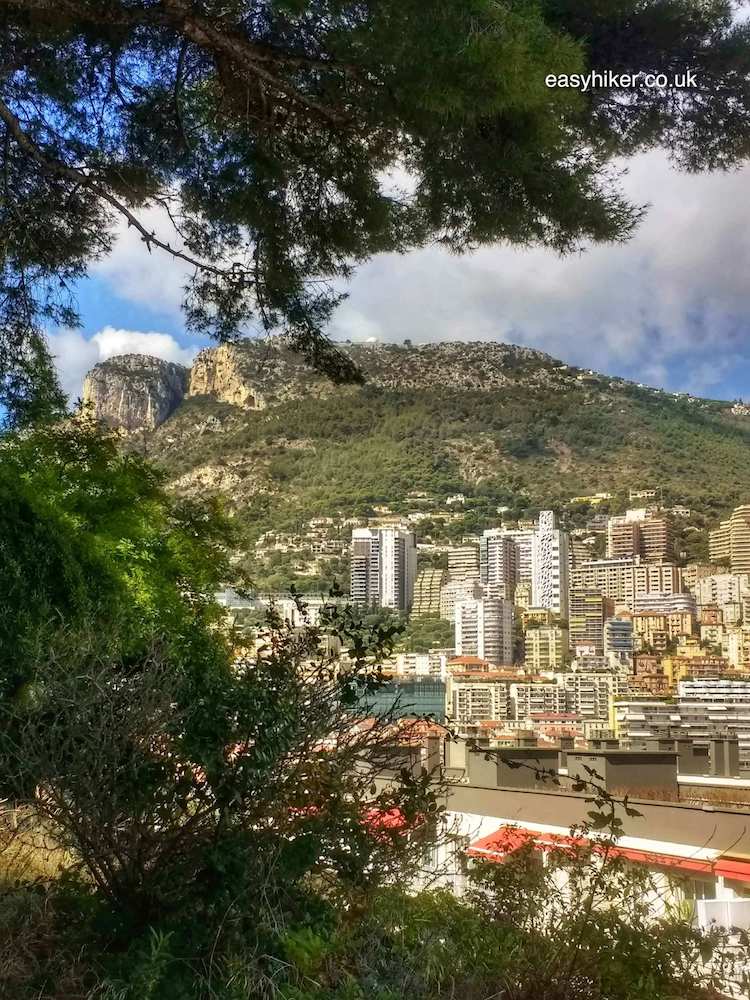
… or visit one of the principality’s many gardens and sculpture parks.
These walks may also reward you in unexpected ways by familiarizing you, en route, with the lesser known but most beautiful bits of the town.

Much like today’s walk which will take you into the Fort Antoine, …
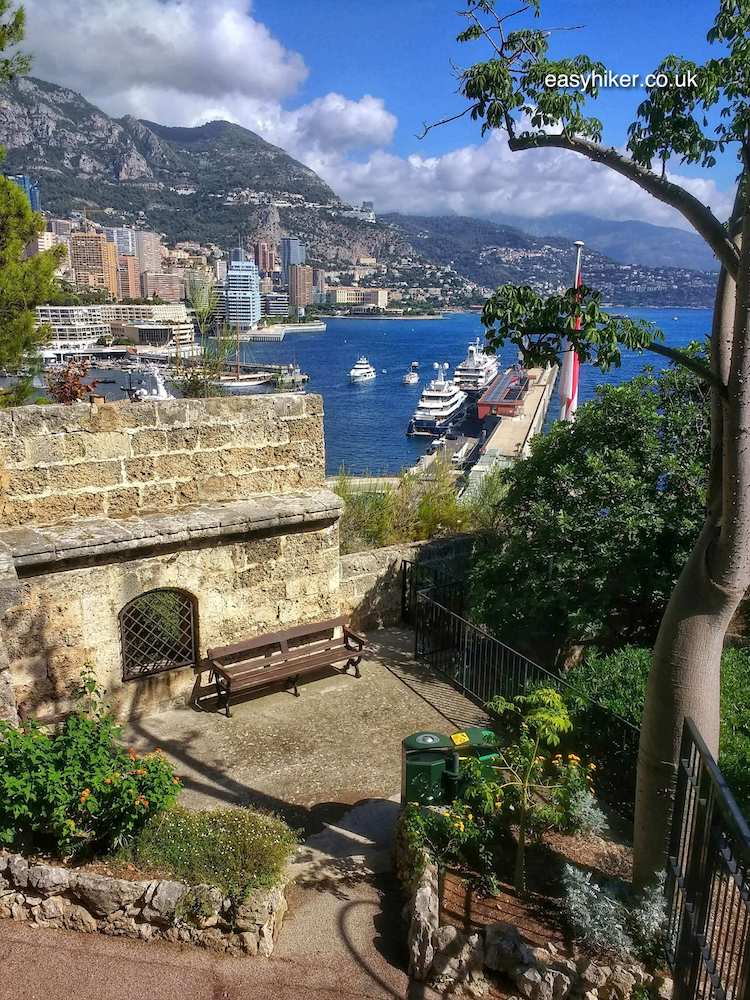
… and which also serves as a useful reminder of the fact that Monaco has not always been an indulged operetta state that provides plutocrats and professional tennis players with a refuge from the taxman.
For most of its history, Monaco was merely one in a large group of small European countries that had to fight for their survival among much bigger and bolshier neighbours.
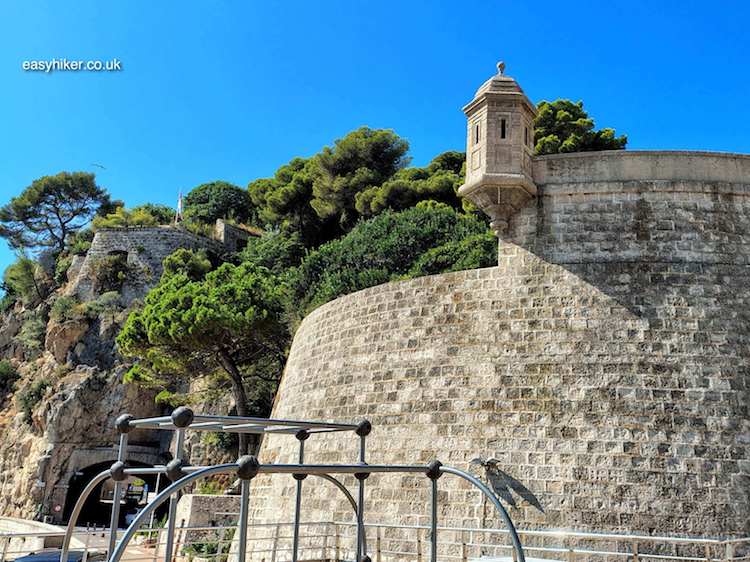
Fort Antoine goes back to the age of Louis XIV, the Sun King, and his attempt to replace the Habsburgs on the Spanish throne with one of his allies. This conflict was a big thing in the 18th century, an early-modern forerunner of a global conflict: World War Zero if you like, although it has been tagged in the history books with the undeservedly bland name of the War of the Spanish Succession.
Monaco had no horse in this race, but was known as an ally of France and surrounded by her enemies: on land by the Duchy of Savoy (the county of Nice, then a part of Piedmont), at sea by British ships.
Monaco’s ruler Prince Antoine, afraid that the French would be unwilling to defend his realm with the necessary amount of vigour, reached deep into his own pockets to provide the principality with coastal fortifications – and by the looks of it, it seems to have worked.
The fortress that still bears his name never heard a gunshot: perhaps the enemies were deterred, perhaps they thought Monaco was not worth the trouble.
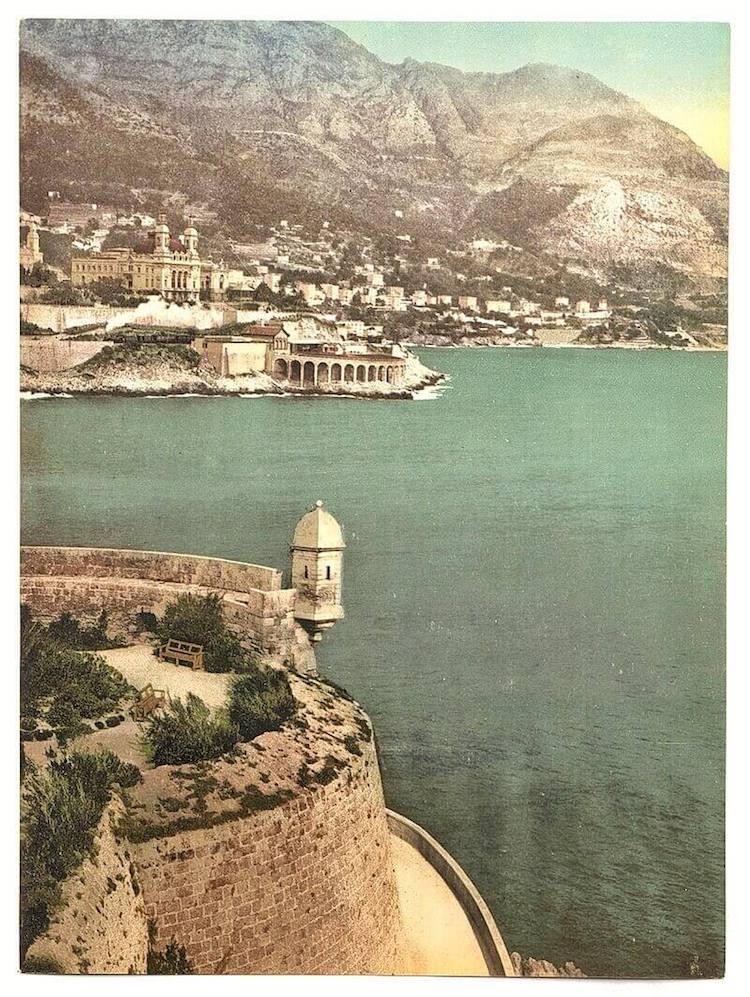
You can decide for yourself: this is how the fortress would have looked at the time (it had not been altered significantly when the photo was taken in the late 1800s).
The gunshots came soon enough in WWII. Monaco had been nominally neutral but in effect rather German-friendly during the war, and when US troops arrived in 1944, Fort Antoine was destroyed.
In 1949, Prince Rainier III – who had succeeded his grandfather to the throne – ordered the restoration of Fort Antoine under his ambitious plans to put Monaco on the map of luxury tourist destinations.
The central piece of the restored Fort Antoine was a 350-seat outdoor amphitheatre, closed on the morning we visited for a commercial presentation.
By this time, the Fort’s military past was nothing but a distant memory.
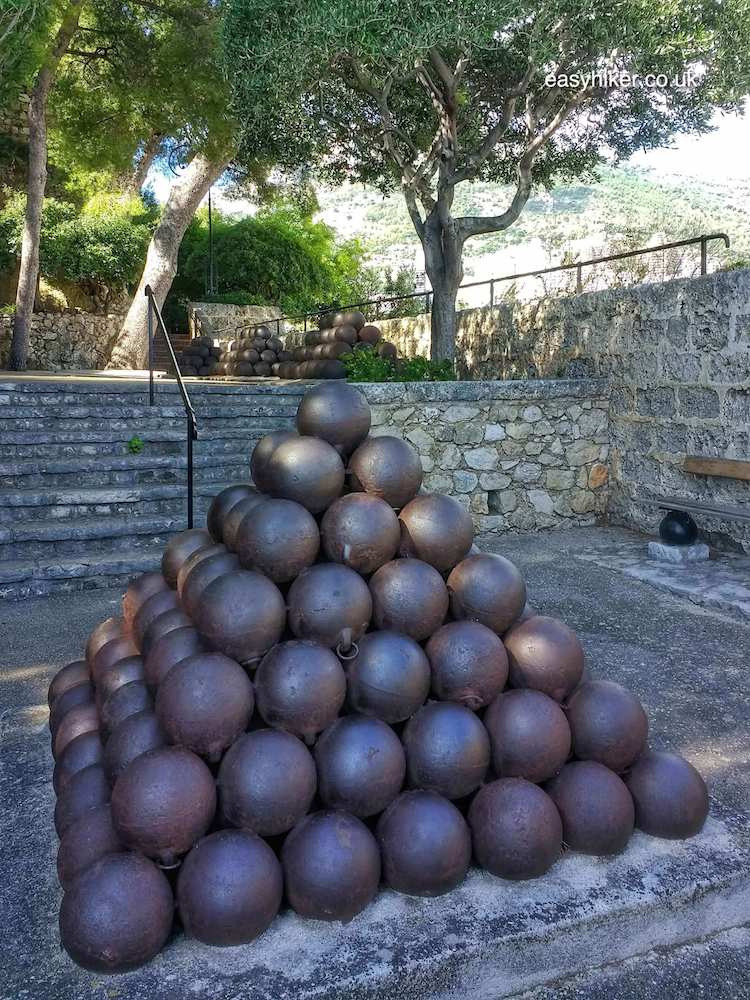
But really, you don’t have to know any of this to enjoy the Fort’s sights and views …
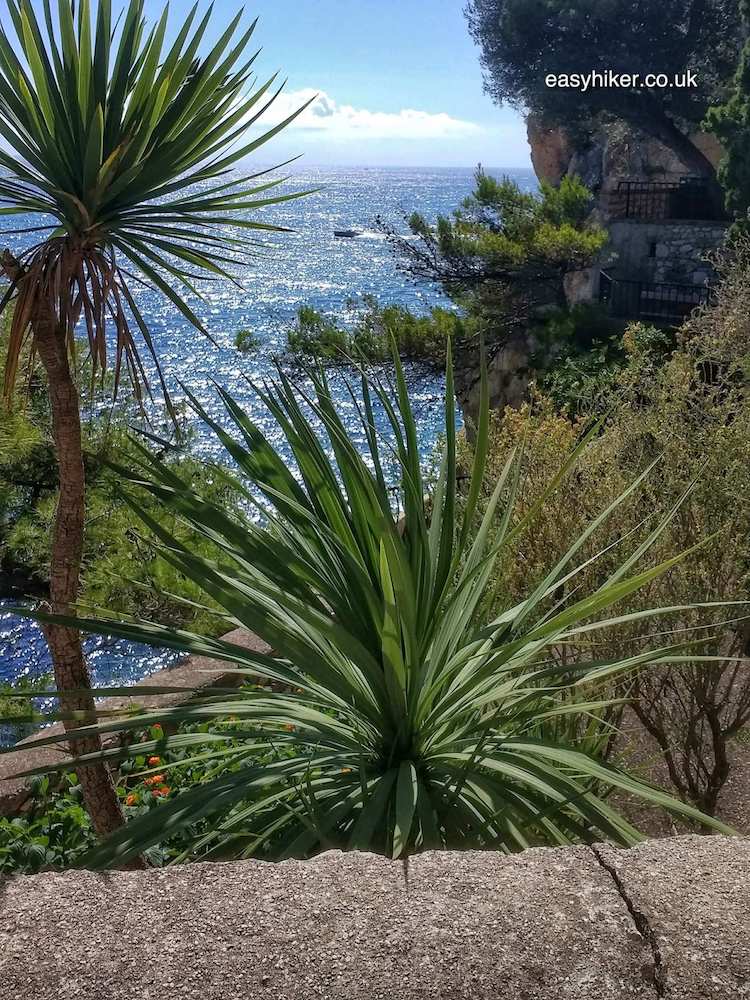
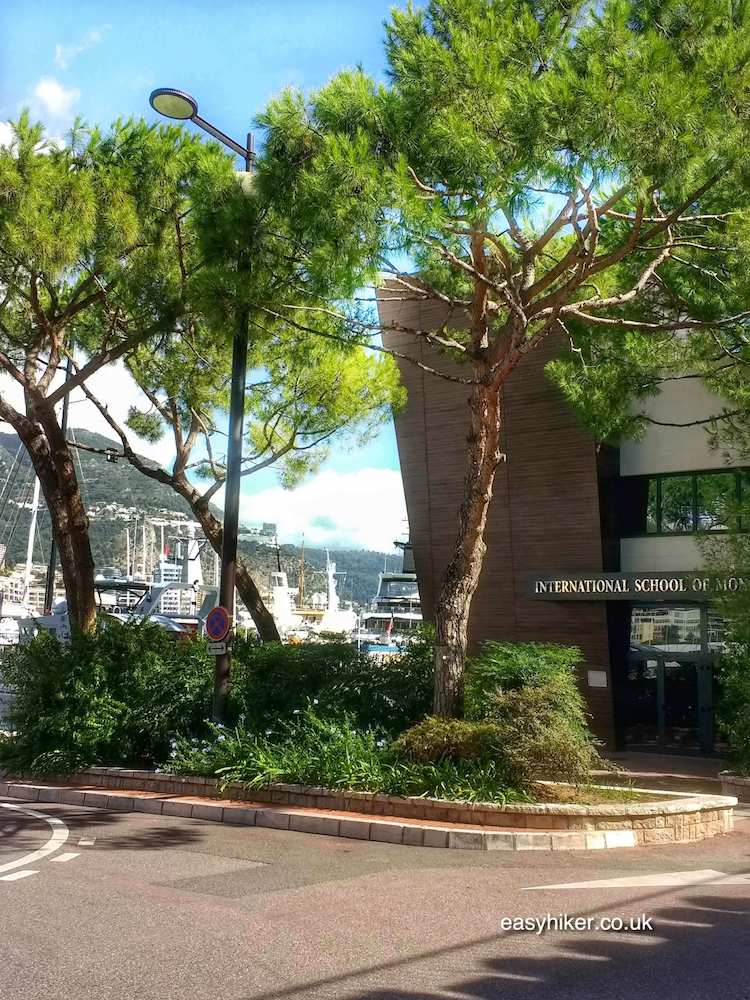
… or the equally scenic views that you get on the route to the fortress which stands on the end of the pier behind Monaco’s International School.
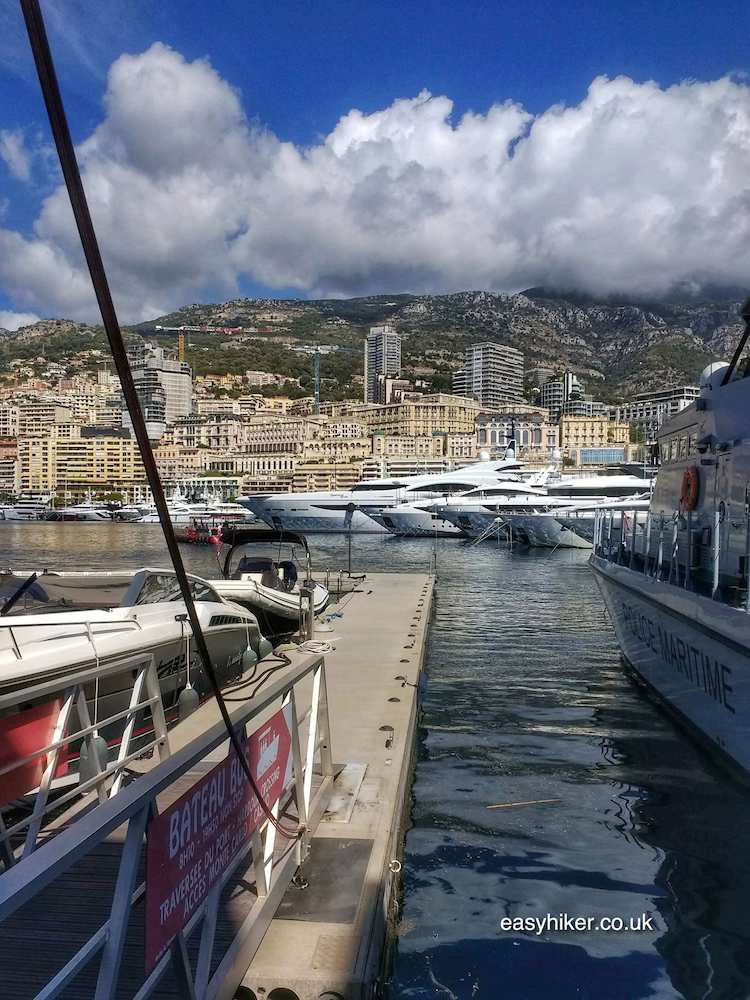
On this part of the route, you will also get the opportunity to see some of the world’s most valuable maritime real estate – featuring yachts such as the Quantum of Solace: yours for a mere $ 564,000 – a week. Plus expenses.
On the way back to town, we suggest you take a different route: past the Oceanographic Museum and balcony views of Fontvieille harbour where you can enjoy some of Monaco’s most spectacular scenery.
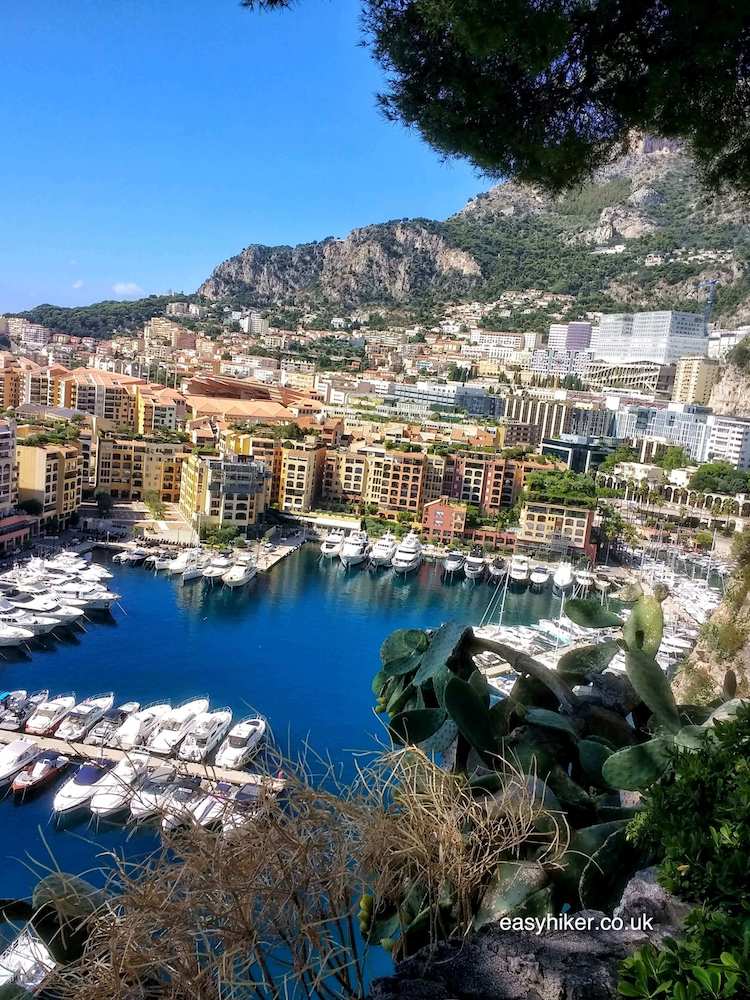
This is one the many things that you can do in Monaco. Of equal importance for a pleasant day out, however, is to know what not do.
Wherever you go to read about this, there is always lot of talk about Monaco’s supposedly strict dress code.
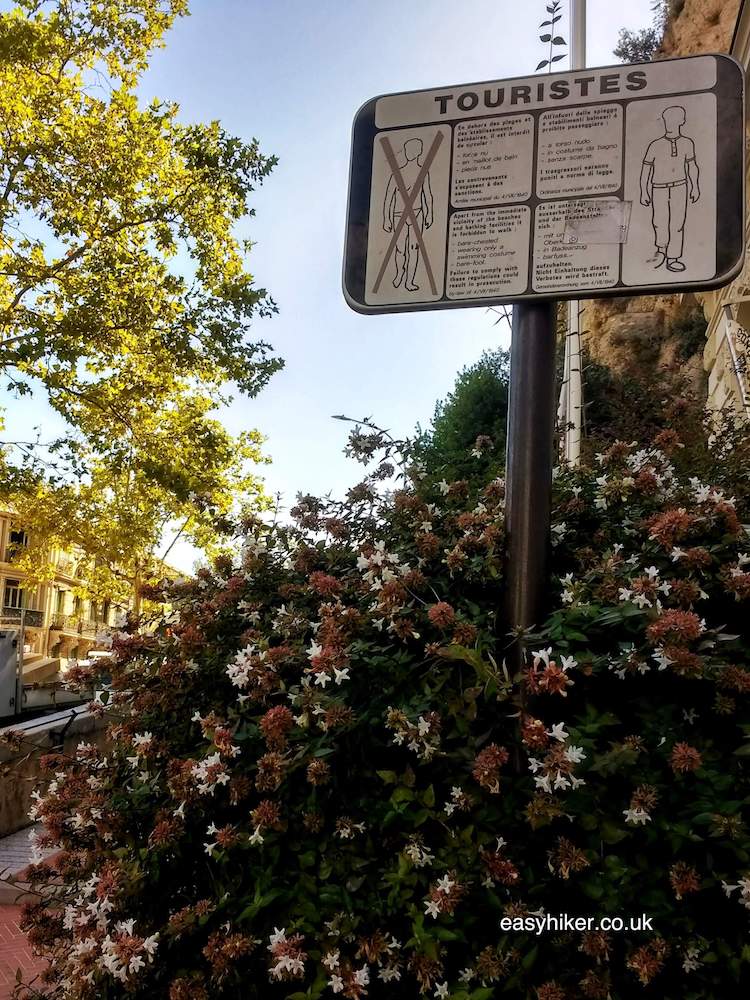
Essentially, however, this dress code is no different from the ones in the coastal towns of France and Italy (who also frown upon beach wear in the streets).
Nobody in Monaco expects tourists to show up in a suit and a tie, and visitors are more likely to receive complimentary glances in a pair of fancy golf shoes – never mind ladies in an even fancier tennis skirt – than reprimanding looks.
But mind: this applies as long as you stick to the places where visitors go. If you start to mingle with the wealthy, different rules apply.
Luxury restaurants, for example, generally require gentlemen to wear a coat. The Casino has an anteroom with slot machines where only the most basic restrictions are in place. In the rooms with roulette tables, however, the dress code is “smart casual”, and what passes as smart and what does not is at the discretion of the personnel.
Urgent advice: if they do not let you in, take it on the chin and leave quietly. Don’t start to argue! The casino – as well as most hotels and a surprisingly large number of restaurants, night clubs and shops – is owned by the Societé des Bains de Mer, which means that it is effectively the property of the state. That makes every official a Representative Of His Serene Highness, the feudal landlord, so any scuffle you may care to enter is not a private matter between you and a jobs worth but an act of Lèse-Majesté.
More crucial, at any rate, is what I would call the Privacy Code. Public space is a pliable concept in Monaco. It is legally forbidden to take photos in hotels and restaurants, but more important are the unwritten laws. Bear in mind that Monaco’s Unique Selling Point is that it provides a safe haven for rich people, and since this is a much more important business than entertaining curious day trippers, the priority for the Monegasques is to protect their assets.
In practice this means that they may let you take photos of the Ferraris in front of the casino, but when you snap pictures of the people who board them, you are asking for trouble. No public right of access at all exists for professional photographers – they need a permit for any kind of shoot – or in the principality’s air space: all use of “recreational drones” is forbidden.
The best way to get around Monaco is on foot or, if you are lazy, by bus. You cannot hail local taxis and must book every ride in advance, while Ubers are totally banned from Monegasque streets. As are motorhomes. And you best leave your bicycle at home, too: there are no cycle lanes.
And finally, the biggest No of all: no disrespectful remarks in public about the prince and his family, please. You may want to consider that Monaco has 500 surveillance camera per square km (by comparison: China has 20 and the USA 5) and the world’s largest police force (per capita, of course), which is also fiercely loyal not least because – rumour has it – its officers are also the best-paid ones in the world.
But here is some comfort: if they do send you to prison, the views from the cells are great (the Maison d’Arret is the building squeezed in underneath the Oceanographic Museum) …

… and the food is said to be excellent, too.
Monaco, one of the last countries in the world that are actually run by their ancient nobility, clearly knows all about the burdens of a reputation – and seems well aware that noblesse oblige.


