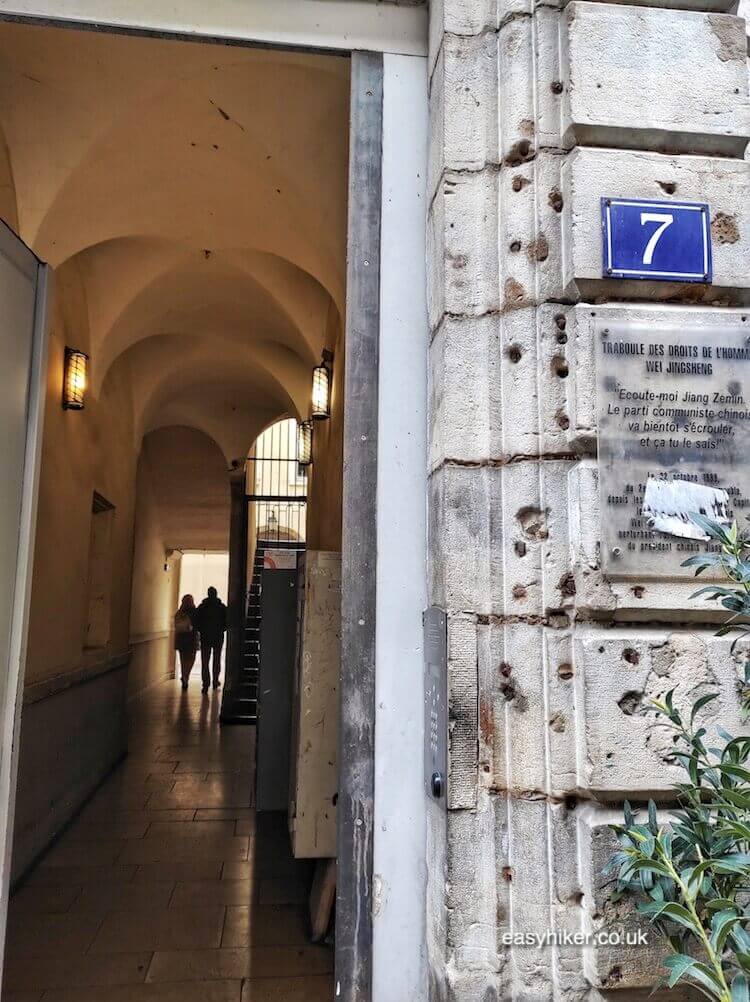
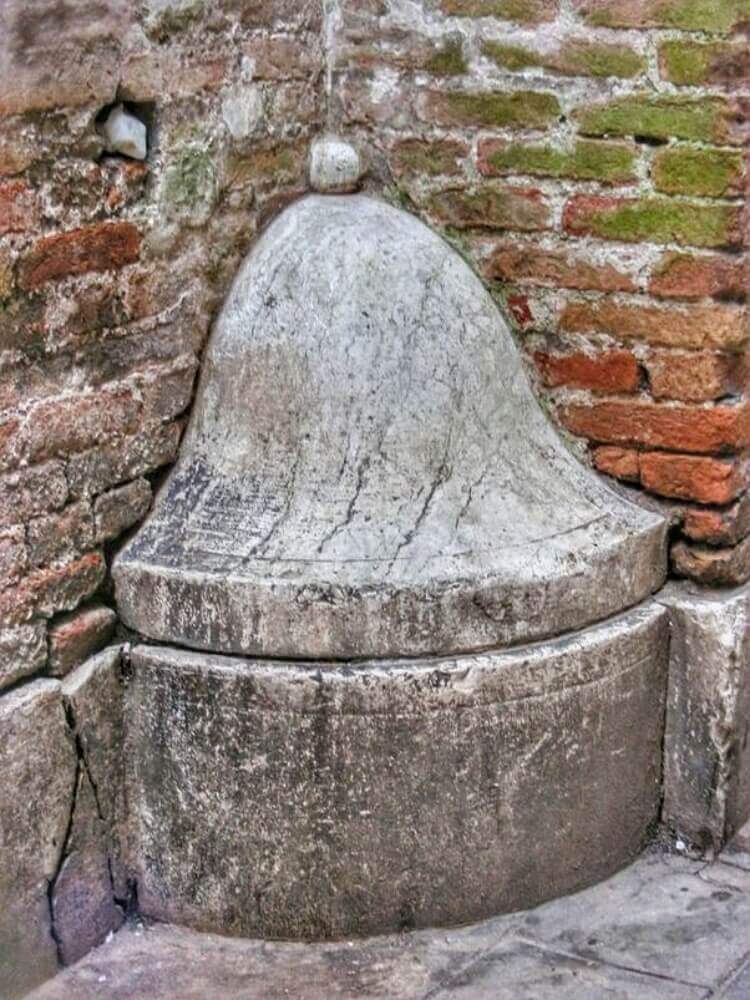
Every major city in the world has iconic street furniture – Paris has the riverbank boxes of the bouqinistes, Berlin its Litfasssäule advertising columns, Venice the splashback pissotte that are designed to prevent men from urinating in street corners – …
… but no city in the world is as blessed in this respect as London. True: the red phone boxes and the cast iron mailboxes can also be found in other British cities, but the London cabmen’s shelters are almost unique and add to the feel that London is the quirky eccentric among the world’s great cities: a metropolis like no other.
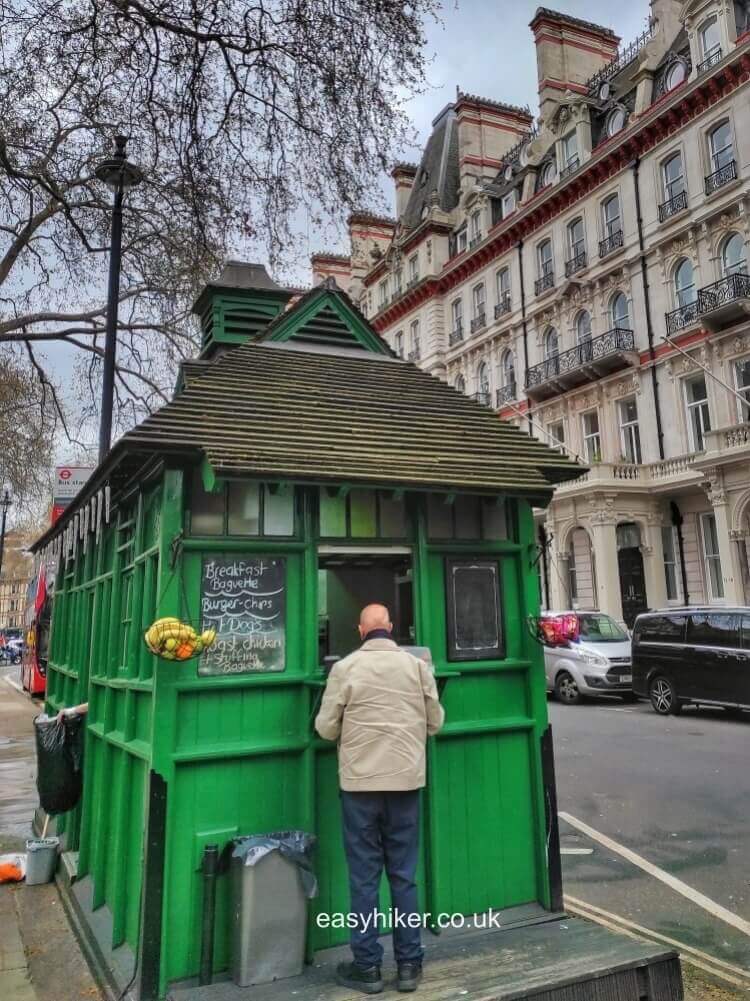
Like so much else that is distinctive in London, these wooden huts are a product of the late Victorian period. Cab drivers were not allowed to leave their horse-drawn “taxis” unattended while waiting in the rank – but in the cold and the rain (not an unusual combination in London), they did so anyway, and it is easy to see why.
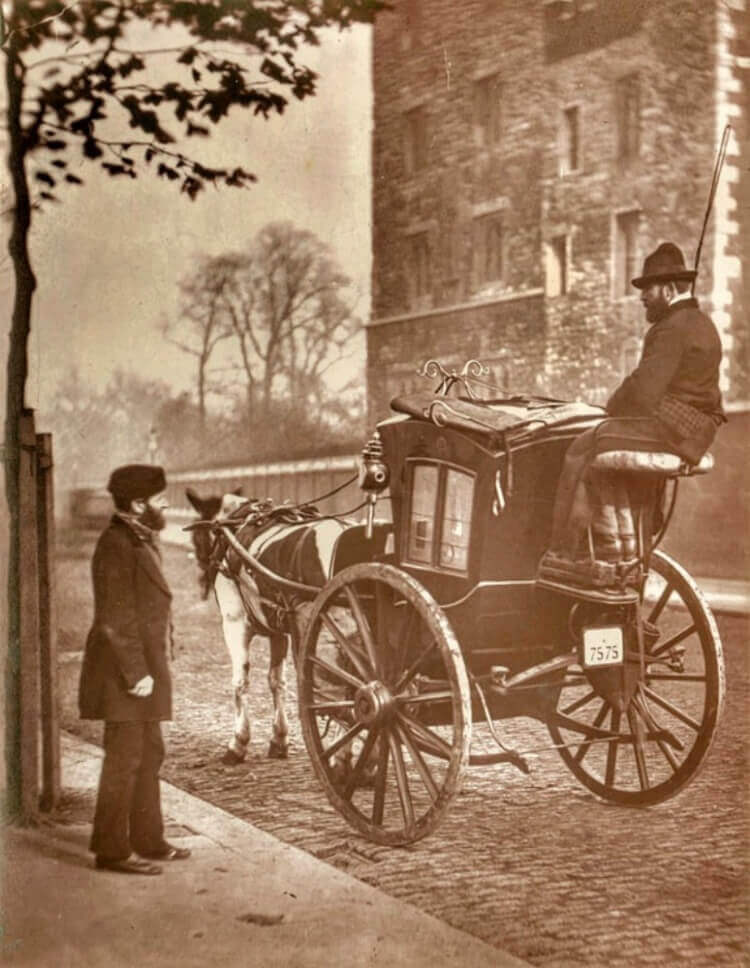
Captain George Armstrong, editor of a London newspaper, was not the first man who got drenched on his long walk home during a rainy night when all the cab drivers were sheltering in the pub, but he was the first to take action.
The very next morning, Armstrong invited some wealthy friends and business acquaintances to establish the Cabmen’s Shelter Fund, whose initials (“CSF”) still grace the green huts at major London cab stands.
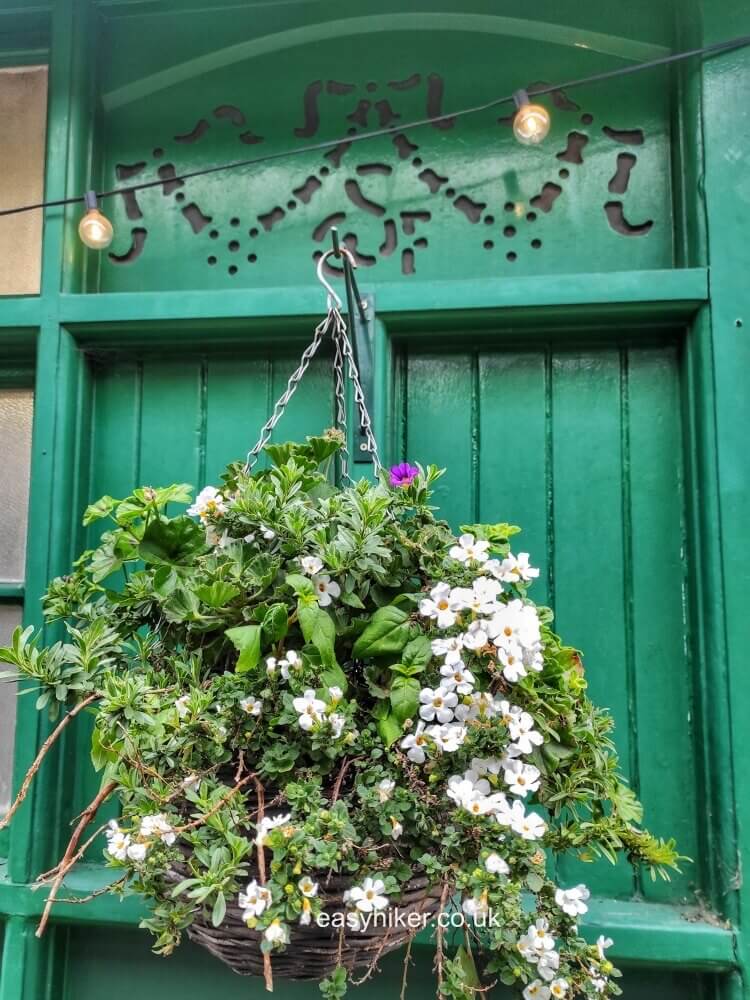
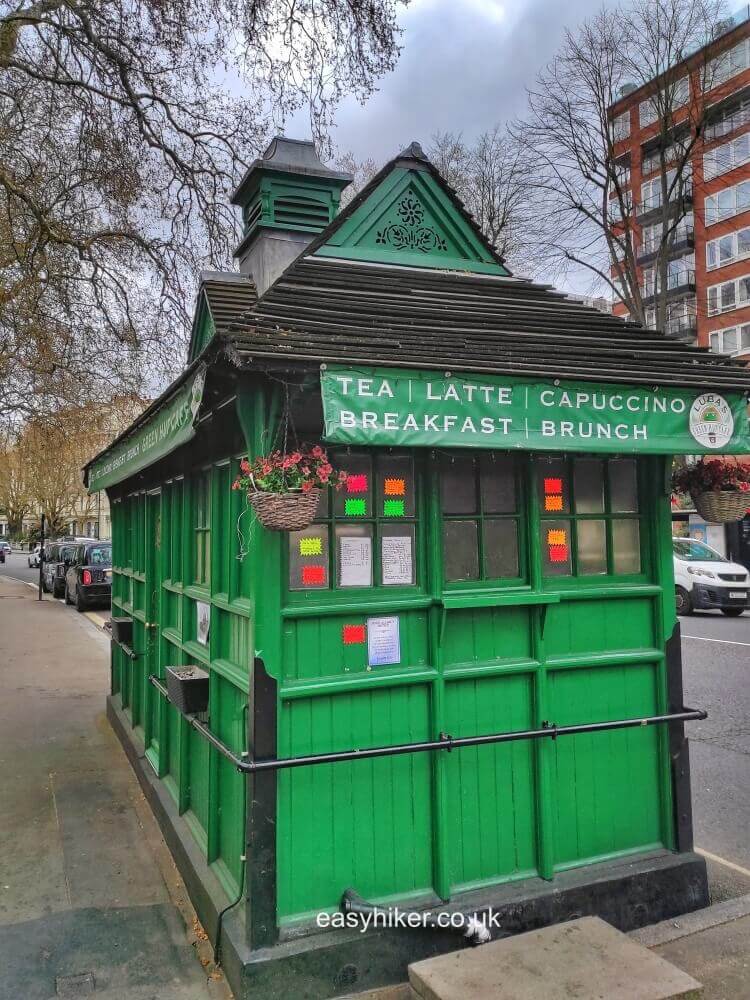
After 150 years, cab shelters still provide taxi drivers with a place to meet and to share news as well as gossip over a cup of hot tea or a small meal.
Everybody can walk up to the counter and grab a drink or a sandwich …
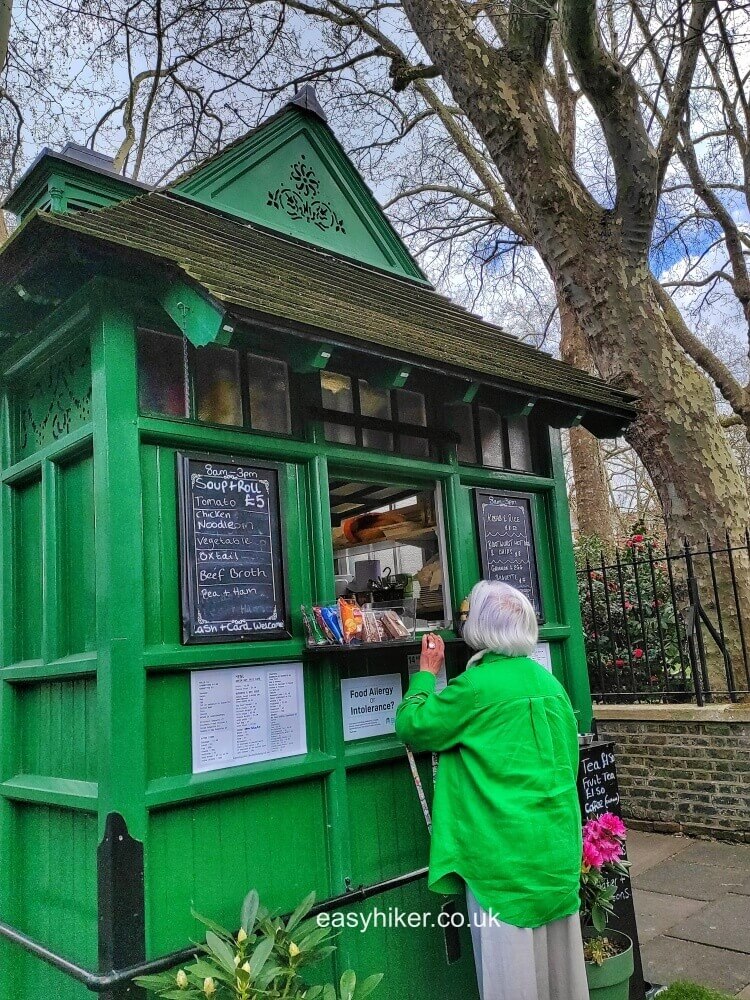
… but only cab drivers are allowed to sit inside.
Deceptively spacious interiors provide room for about 10 to 15 people who are – as the philanthropist founding fathers insisted – not allowed to drink alcohol, gamble, or swear on the premises. How strictly these rules are policed (particularly the last one), is, however, another question.
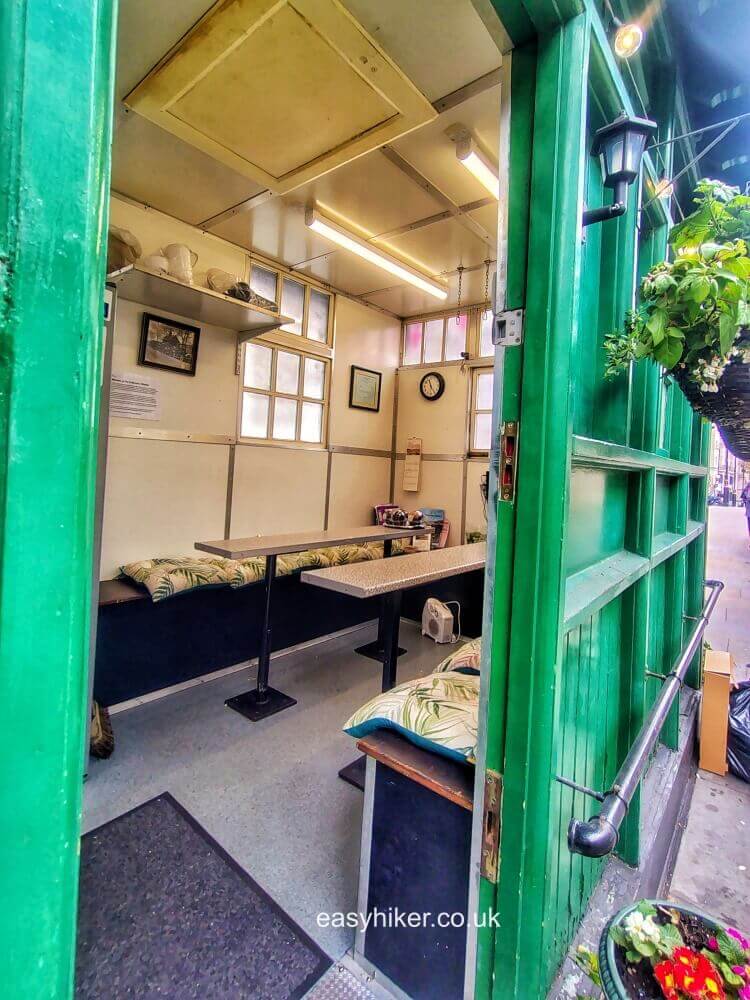
It should be part of every London visitor’s experience to purchase some refreshment from a cab shelter. Some shelters have a park near-by where you can have an al fresco snack, but on a sunny day, the manager may invite you to sit on one of the chairs and tables he has put up for guests like you.
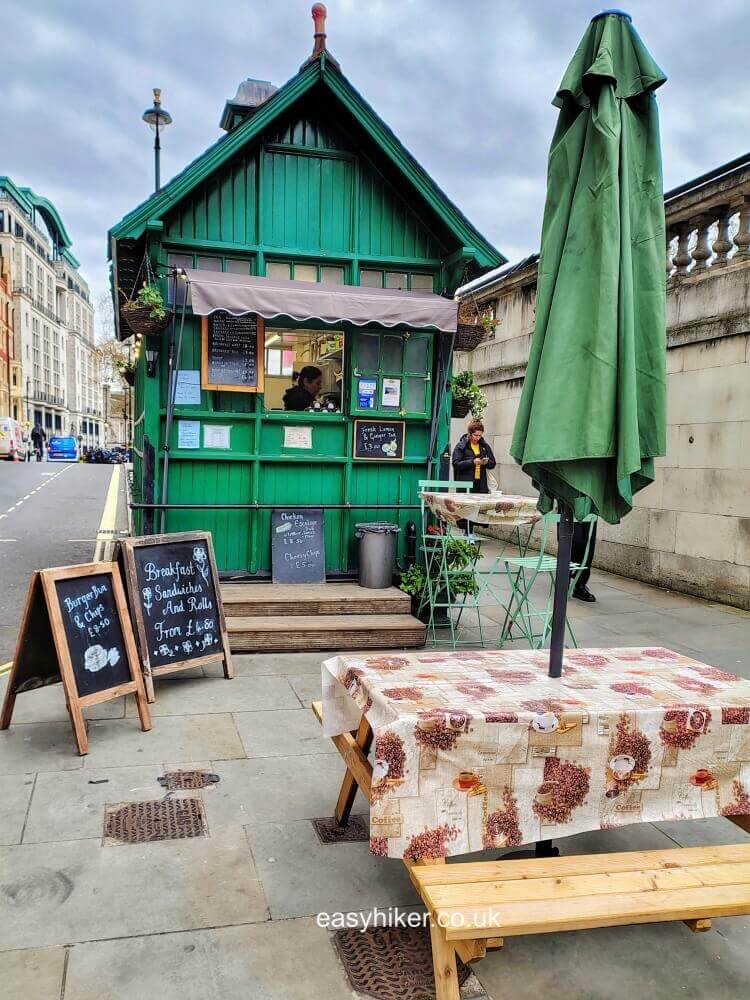
Originally, more than 60 such shelters of various designs dotted the London streetscape. Some of the old shelters even had wheels underneath, so they could be freely moved around from cab stand to cab stand …
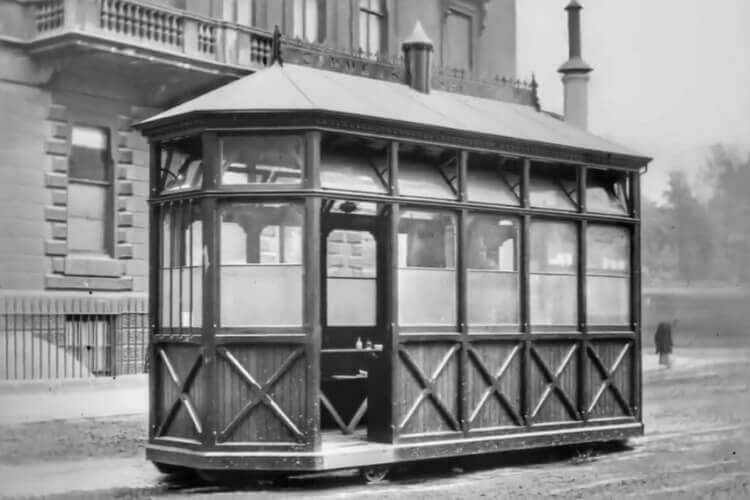
… but rather quickly, the Maximilian Clarke design of the 1880s became the standard with its gabled roof, the lanterns on top, the overhanging eaves and the rails for tying up the horses.
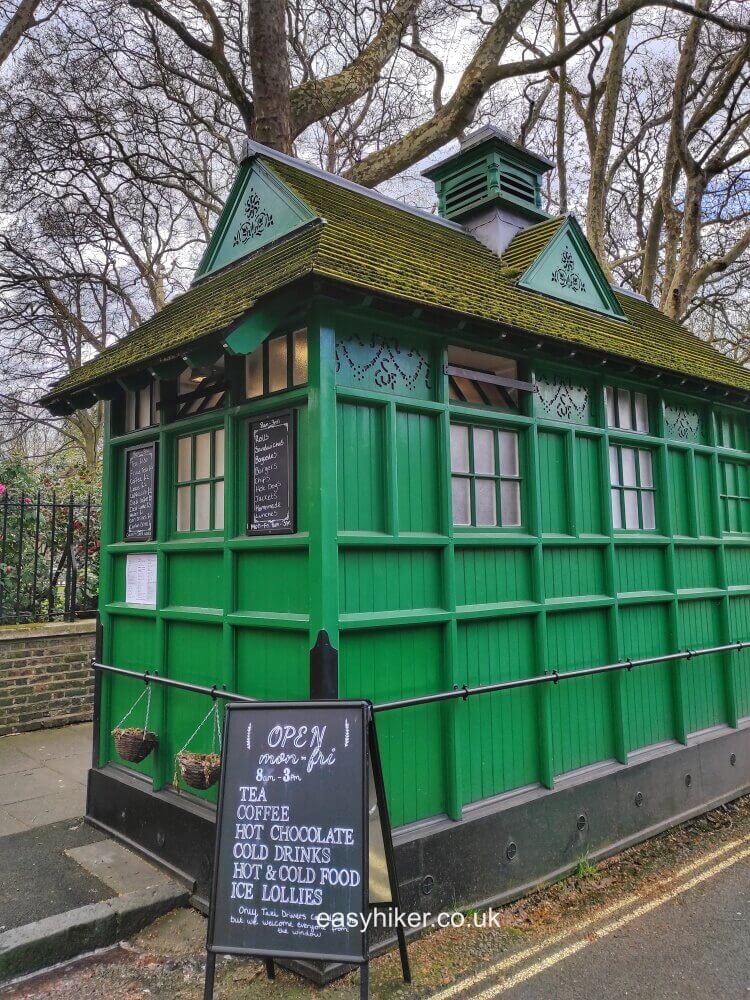
This is what all of the extant shelters look like. Each one of them has been listed by now, so there is a good chance that their number will not further decrease.
In theory, one could design a route for a walk that takes in all of these shelters …
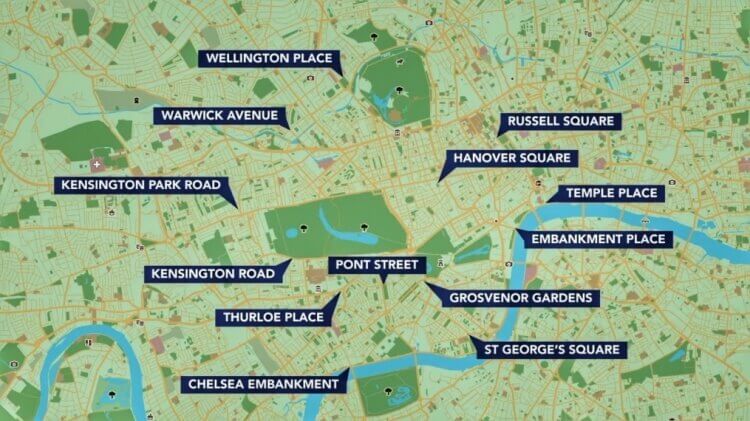
… since the London cabmen’s shelters are concentrated in one relatively small corner of west London, from St John’s Wood in the North to the Albert Bridge in the South.
In practice, however, such a walk would yield rapidly diminishing returns, since the shelters are so similar. Also bear in mind that their corner of west London is only relatively small, relative to the total size of London that is, and such a walk would still take you a full day.
As an alternative, we suggest a much shorter, more selective walk.
Start at leafy Hanover Square near Oxford Circus tube station (the shelter stands at the top of St George Street) and walk through Soho and past Leicester Square towards Temple Place where you can find – at the corner of Surrey Street – a relatively unaltered shelter from 1900 (many of today’s shelters have been modernised and adapted to changing requirements).
Continue along the Thames to the shelter on Embankment Place (historically one of London’s busiest cab stands) and then turn right into the smart part of London’s West End for shelters opposite 12 Grosvenor Gardens and 19 Pont Street.
Round off your walk by visiting Kensington Gardens – or, perhaps, take the tube to Wellington Place to find the granddaddy of them all, the first London cabmen’s shelter that was ever built. It was erected a mere stone’s throw away from the place where Captain Armstrong lived at the time, presumably to guarantee that the poor man would never have to walk through the London rain again.
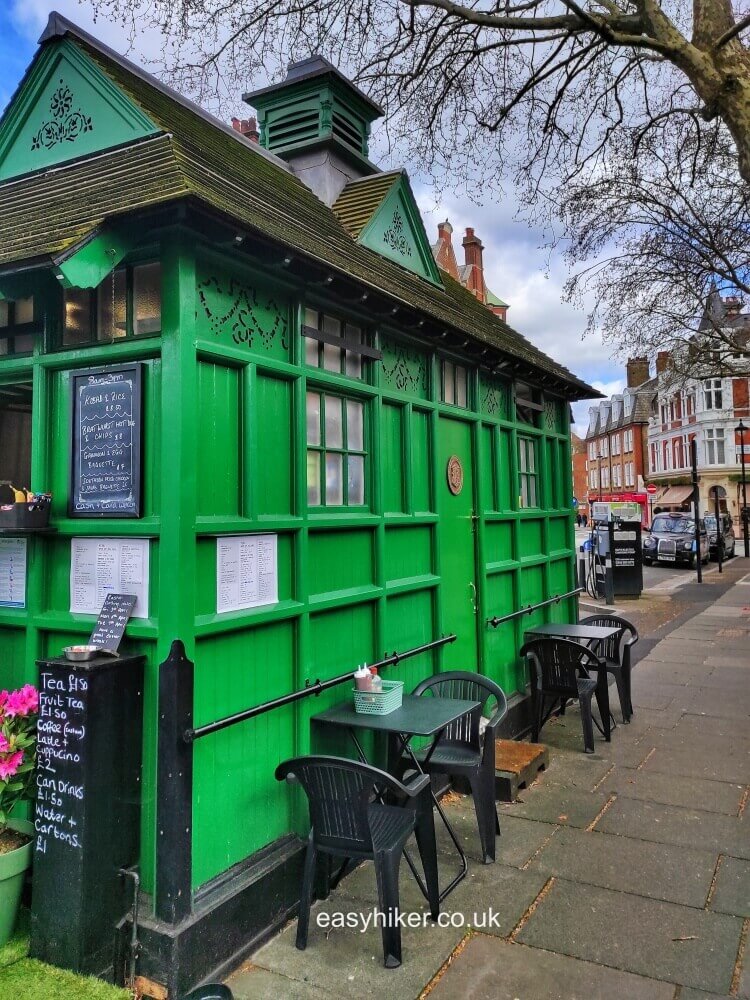
Even this rump walk will occupy the better part of your morning. It will, however, also reward you with views of other iconic city features: the route takes you past the Thames and through some of London’s most handsome public gardens, mixing the strange-but-familiar …
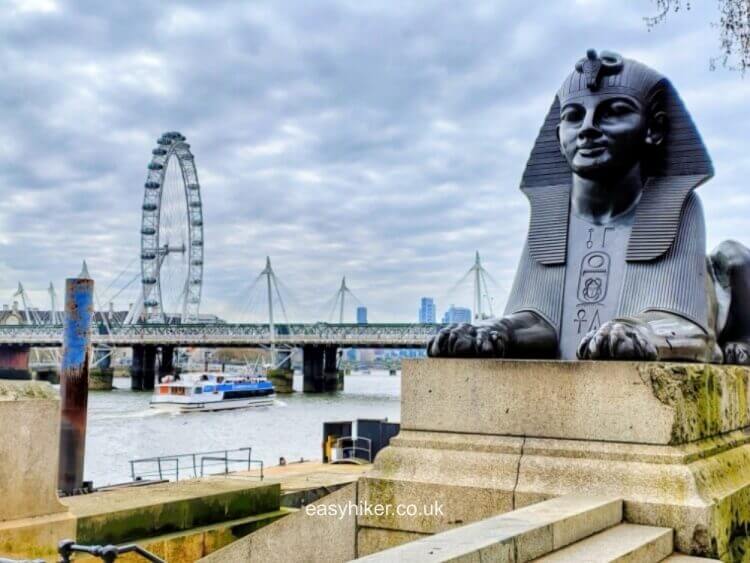
… with the downright surreal.

And what is this: could it be that William Morris, the founder of the Arts & Crafts movement, ever put his hand to the design of the London cabmen’s shelters?
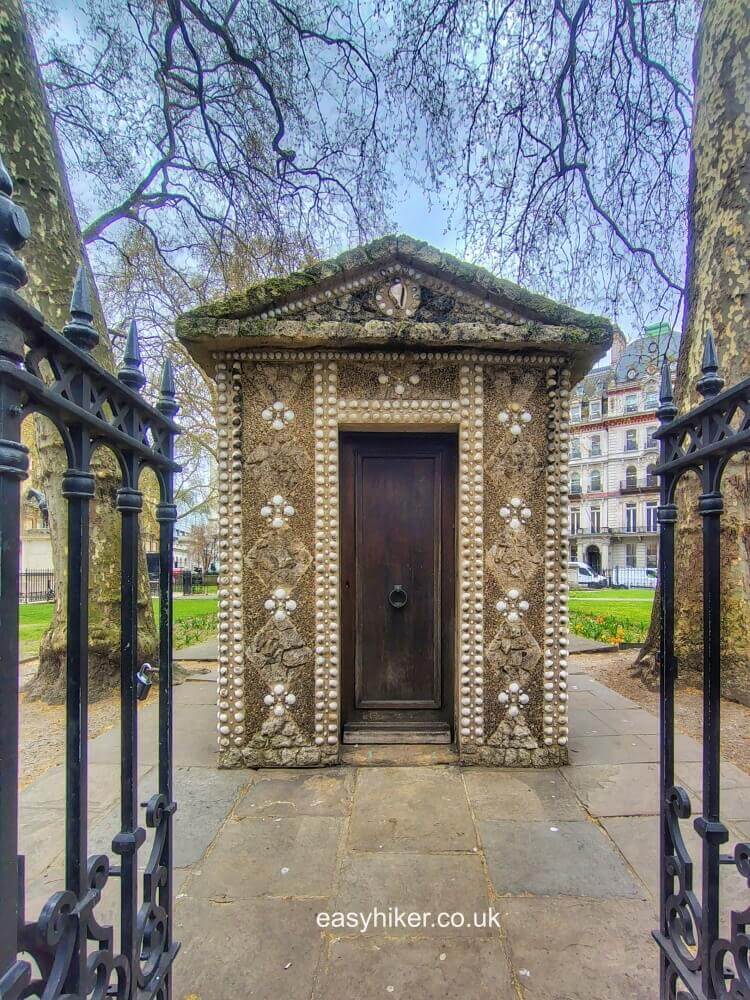
Probably not, but don’t bet against it. And feel free to just mark it down as one more thing in London’s seemingly endless supply of quirky eccentricities.