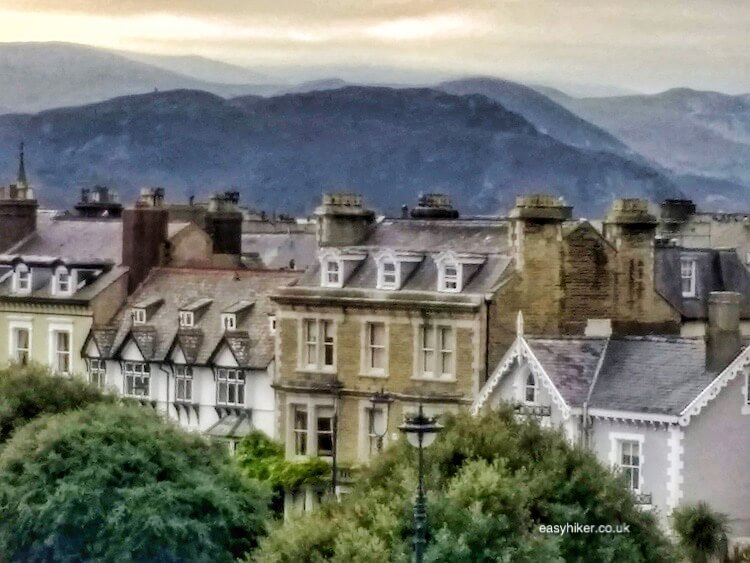
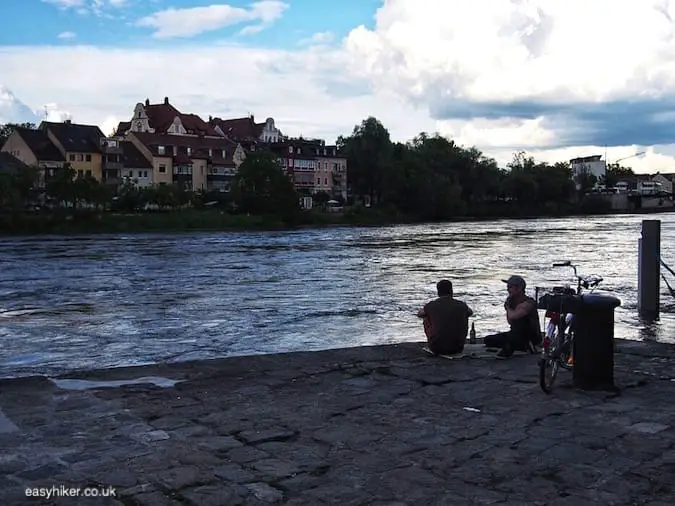
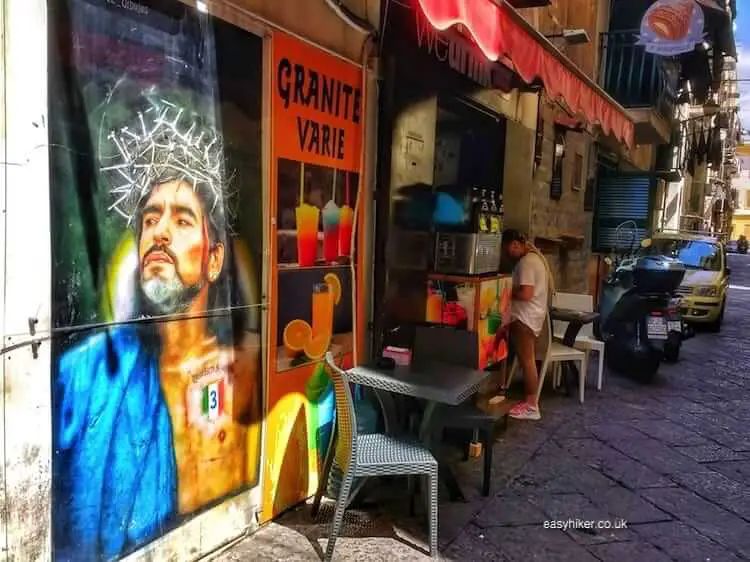
Tourism is the world’s largest industry. It generates an annual turnover of 11 trillion dollars and employs 350 million people (10 per cent of the global workforce) but stands on feet of clay. Tourism does not fulfil an immediate and vital need (unlike, say, agriculture): humans have lived for thousands of years without spending some portion of their lives sipping cocktails under a seafront parasol.
It is therefore easy to imagine events that might destroy the industry as we know it, and I have often wondered what the world and, more specifically, the tourist towns themselves would look like if such a collapse were to occur.
But in fact, there is no need to imagine such a catastrophe: it has already happened. The tourism industry in many coastal regions of Britain has been badly maimed – if not downright killed – by the advent of cheap flights to sunny Spain. Why holiday in Prestatyn when you can go to the Costa del Sol for less?
All holiday towns in the UK have suffered from this crisis to some degree, but the downfall was nowhere near as dramatic as in North Wales, because there, it coincided with the simultaneous collapse of the population in the coastal resorts’ main customer base: during the second half of the 20th century, neighbouring Liverpool’s population fell from a peak of 850,000 to 430,000, and North Wales – just like Liverpool itself – would never be the same again.
Today, the coastal strip between Chester and Caernarfon is one of the poorest regions of Britain. Rhyl West1 and Rhyl West2 – both a mere stone’s throw away from the places where the Children’s Paradise and the Marine Lake Funfair once stood – are now the entire country’s two most deprived boroughs.
Town centres across the region are pockmarked by boarded-up shop fronts, and many former holiday homes have become HMOs (Houses in Multiple Occupation), often housing residents “with complex social and economic needs”, as the official jargon has it. You get the drift.
And then, there is Llandudno
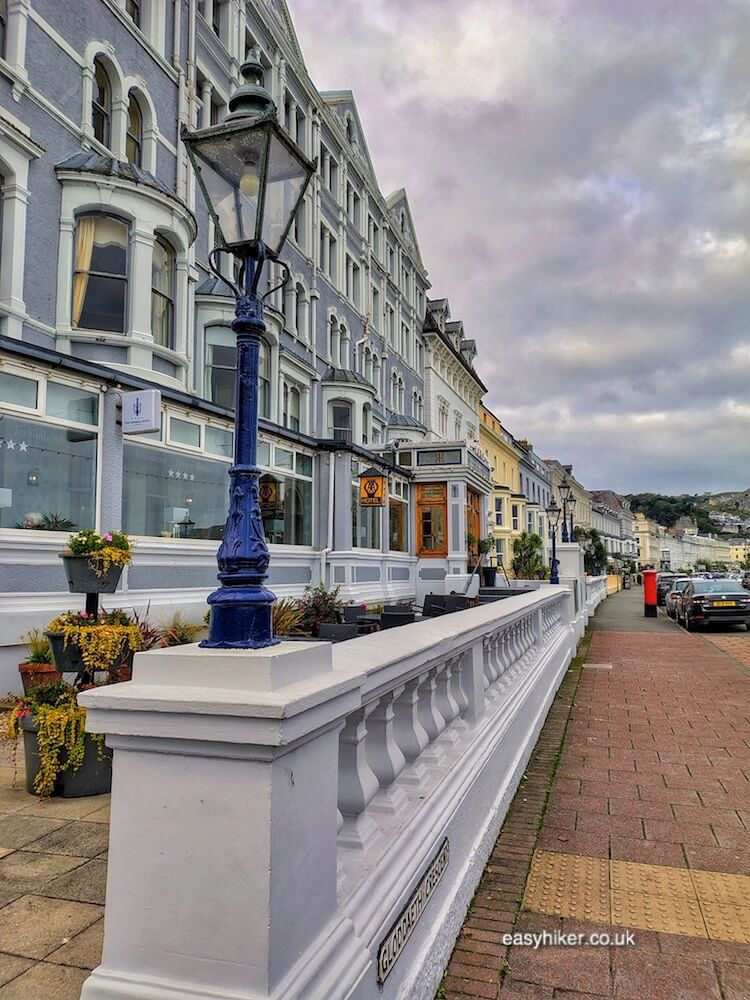
Llandudno has not always been such a special case. It may have been the first resort to attract visitors from England’s industrial northwest – before the 1850s, they came by boat and were rowed ashore with their luggage – but essentially, modern Llandudno, just like the other resorts down the coast, is a child of the railways which brought working-class visitors from the banks of the Mersey in their thousands to the North coast of Wales. Llandudno’s Vaughan Street was built to connect the train station with the coast: it provided the gateway to a place of wonder for visitors who longed to escape the smog-filled streets and grey tenements of Liverpool.
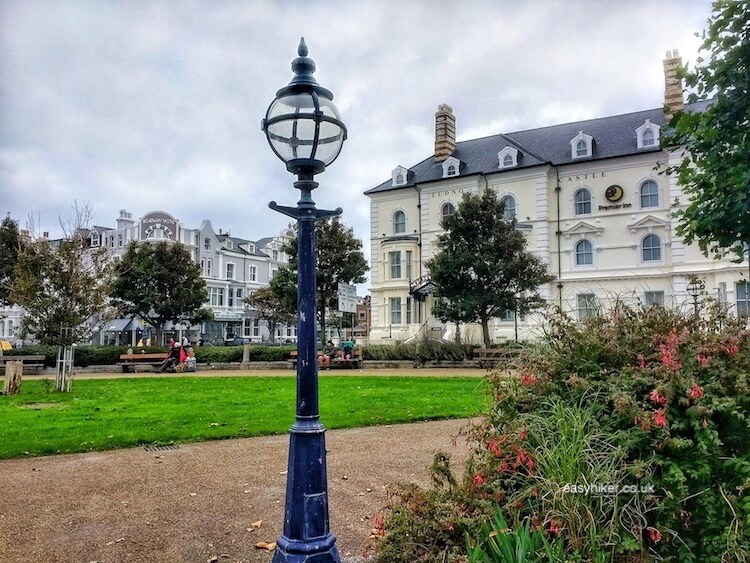
In addition to landscaped city parks and stately buildings, Lladudno offered its visitors wide open spaces, filled with air and colour …
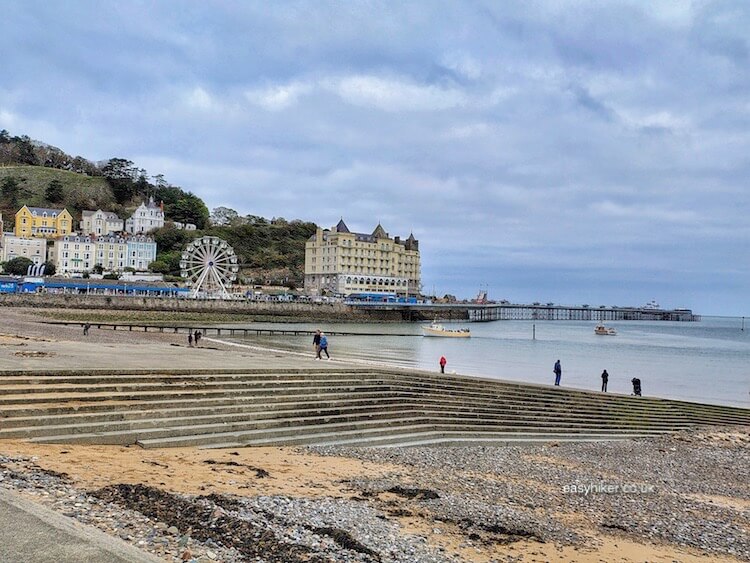
… and lush subtropical flora.
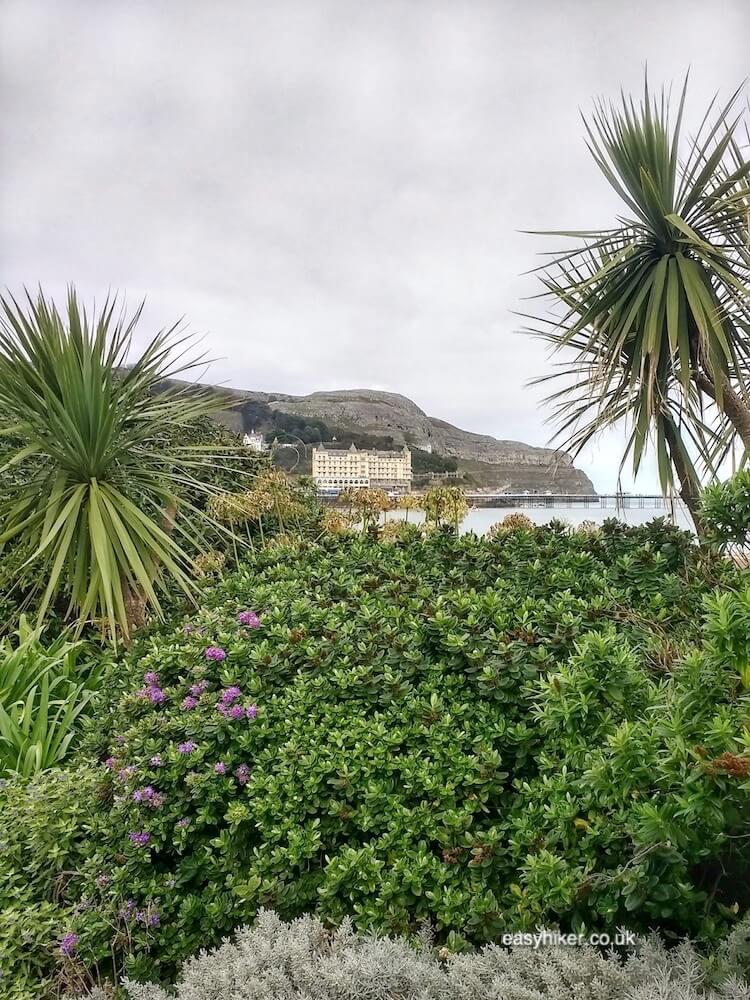
It was a fairy-tale land, in more than one way.
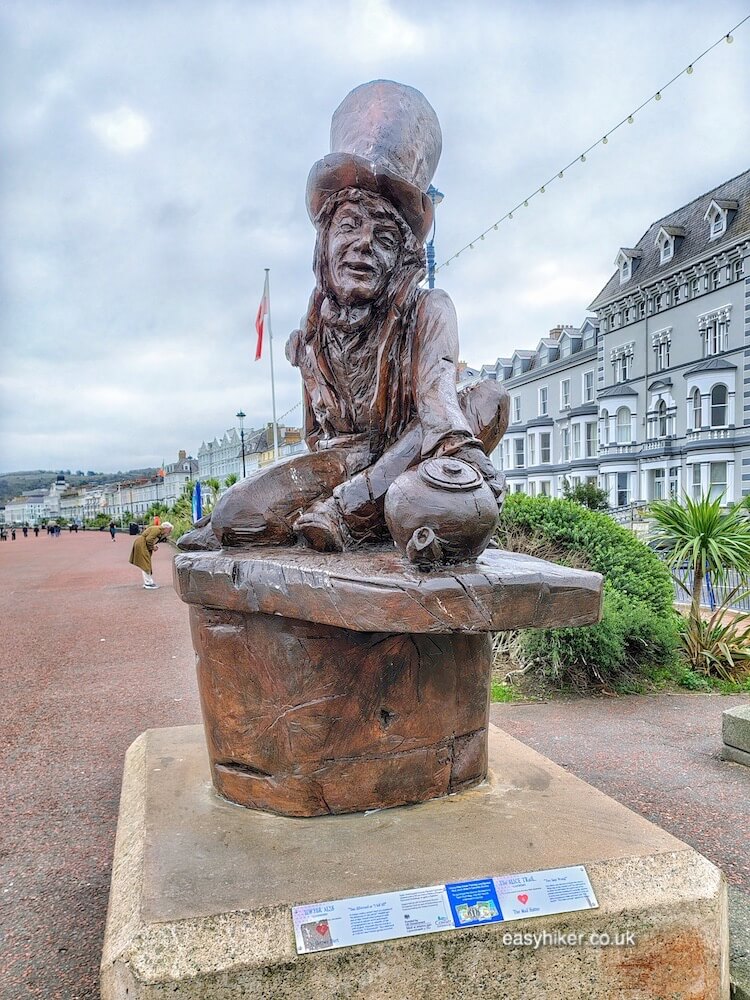
Llandudno, after all, is very proud of its connection with Lewis Carroll, claiming that this is where Alice in Wonderland was written or at least conceived, although most scholars politely disagree. It is undisputed that the mother and father of Alice Liddell, to whom Alice in Wonderland was dedicated, owned a holiday home in the outskirts of Llandudno, but it is not known whether Carroll wrote his book there, how much time he spent in the Liddell house or even if he ever visited.
There is, however, a Lewis Carroll connection that feels more real: in its early days as a tourist resort, Llandudno took a leaf out of Alice in Wonderland, applying policies that could have come straight from the playbook of the Queen of Hearts at her most ruthless.
When Llandudno was no more than a fishing village, the aspirational municipal government had the occupants of potentially valuable coastal real estate evicted – “off with their roofs” – so that local developers could create a seaside bonanza.
Soon, Llandudno gained a reputation as a resort that was a cut or two above the others. It was certainly deemed good enough for Prime Ministers Benjamin Disraeli and William Gladstone, the Muhammad Ali and Joe Frazier of late Victorian politics, foreign statesmen (Bismarck) and even an emperor (Napoleon III): they all resided in the King George Hotel, the town’s first and grandest.
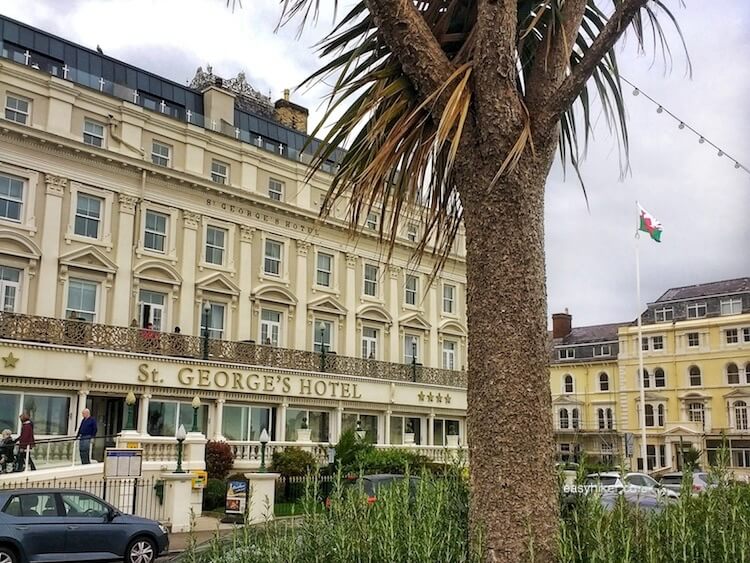
Llandudno became the posh kid among the rabble of Northern Welsh resorts and has pretty much stayed true to its early form for 150 years.
The best way to experience the “queen of the Welsh resorts” is to walk down the scenic beach promenade …
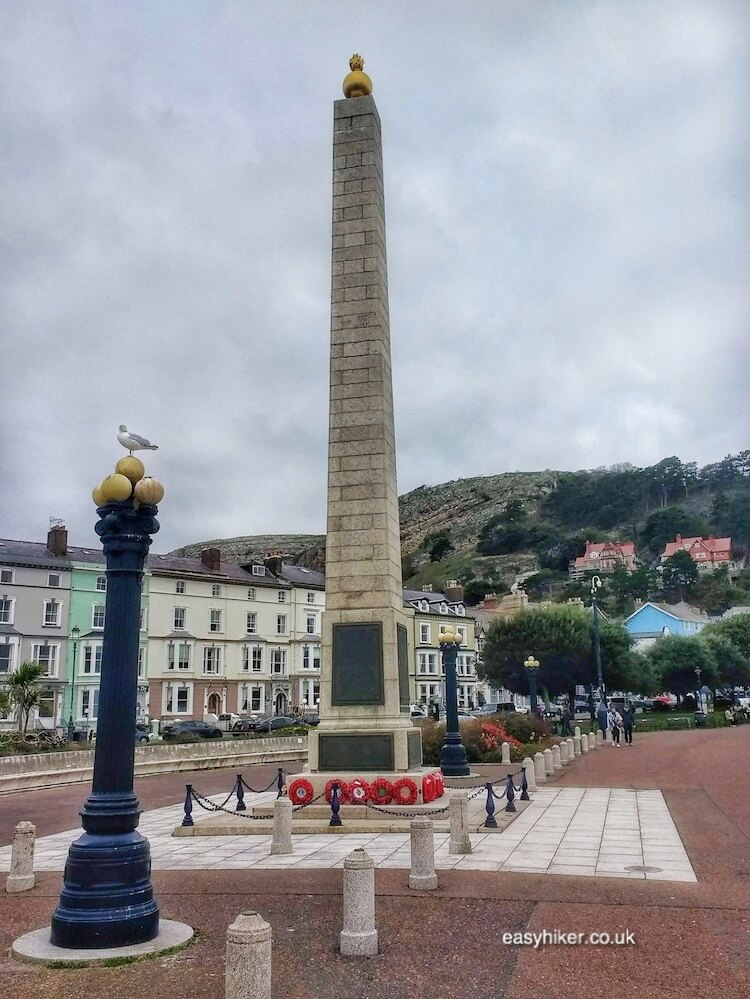
… past the bandstand, a surprisingly late feature of the seafront which was only added in 1926. Before that, Llandudno had a mobile bandstand called the Juggernaut, which was drawn by horses from spot to spot because the seaside hoteliers had not wanted to subject their posh clientele to the vulgar noise of popular music.
In the resort’s heyday, Llandudno’s beach hosted seaside concerts that regularly drew 1000 spectators and more.
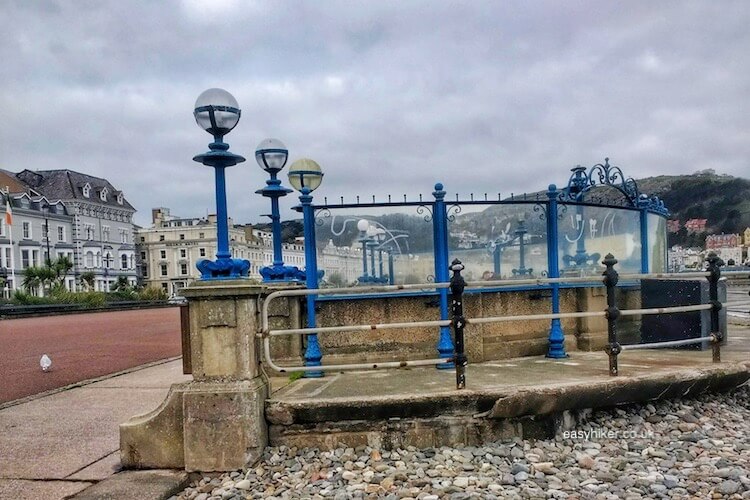
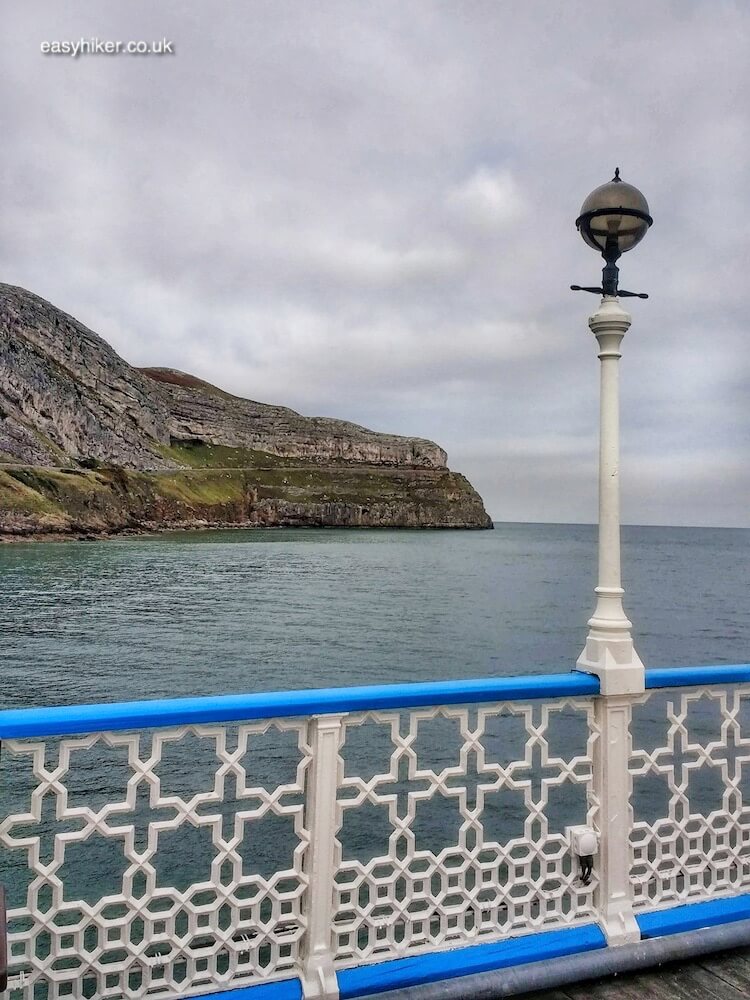
No visit of Llandudno is complete without a walk on the pier …
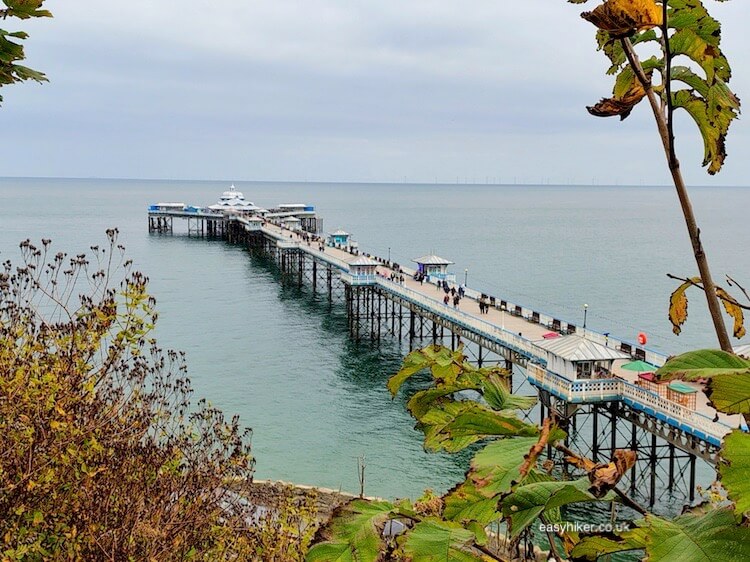
… a place for traditional seaside fun which, further up, also offers some pleasant views and spaces for quiet contemplation.
After that, you should continue down the coastline up to the Happy Valley gardens where Celtic menhirs have been standing for – are you ready for this? – 63 years, a leftover from the Eisteddfod of 1963.
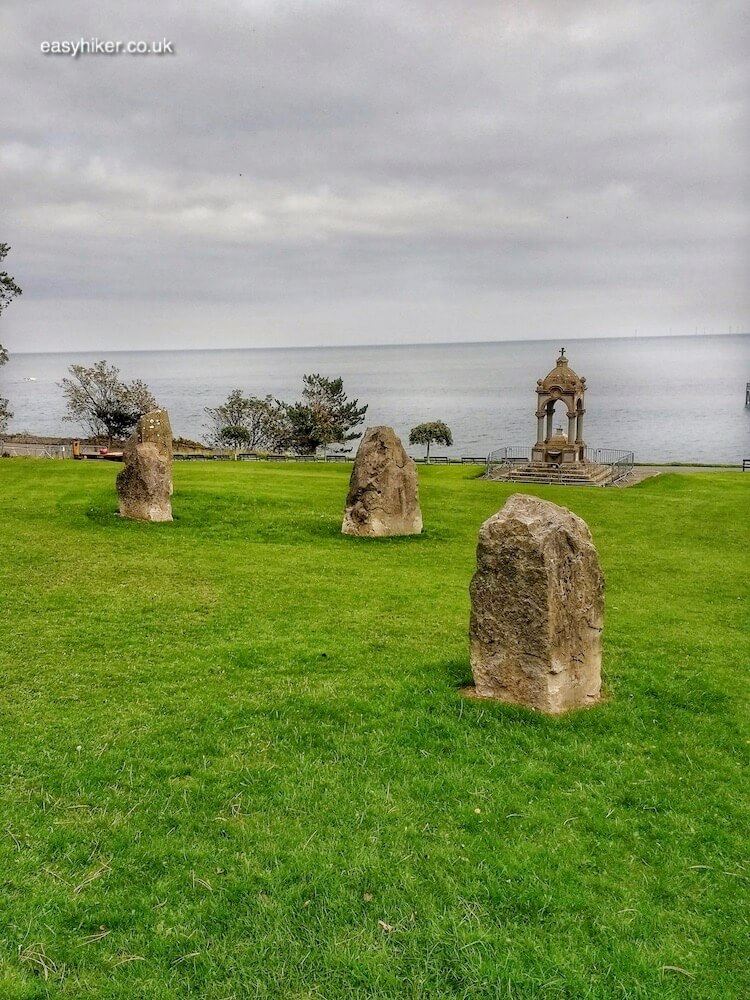
People from outside the UK are often surprised to hear that the most colourful traditions of the country – such as the Eisteddfod, a delightfully daffy celebration of ancient Celtic traditions, but also many rites of the British Parliament and Crown – are of a relatively recent vintage and were invented in the 19th century.
But bear in mind that the Victorian Age was a period of turbulently rapid social and economic change, and its people clung to the past like the survivor of a maritime accident would hold on to a plank of the ship that has just run aground. And when there was no such plank at hand to cling to, the Victorians made one up, for the sake of everybody’s mental comfort and safety.
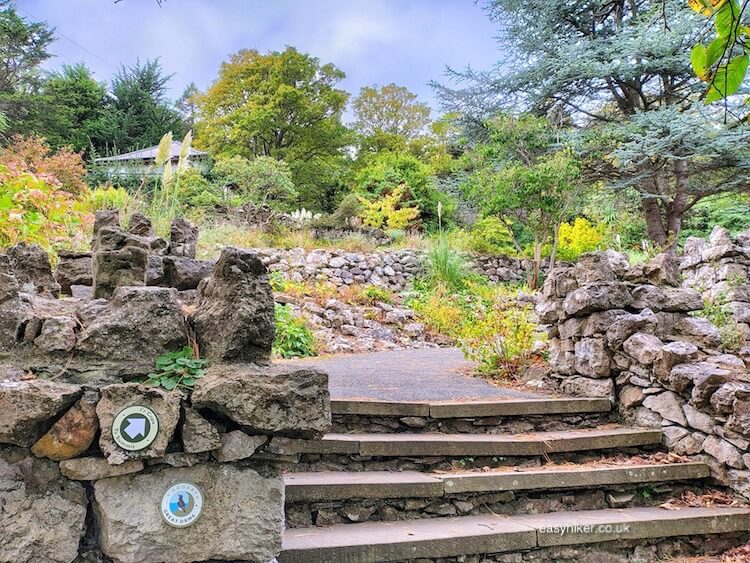
From the Happy Valley, you can walk to the top of the hill …
… or follow the coastline for a while to see where it goes …
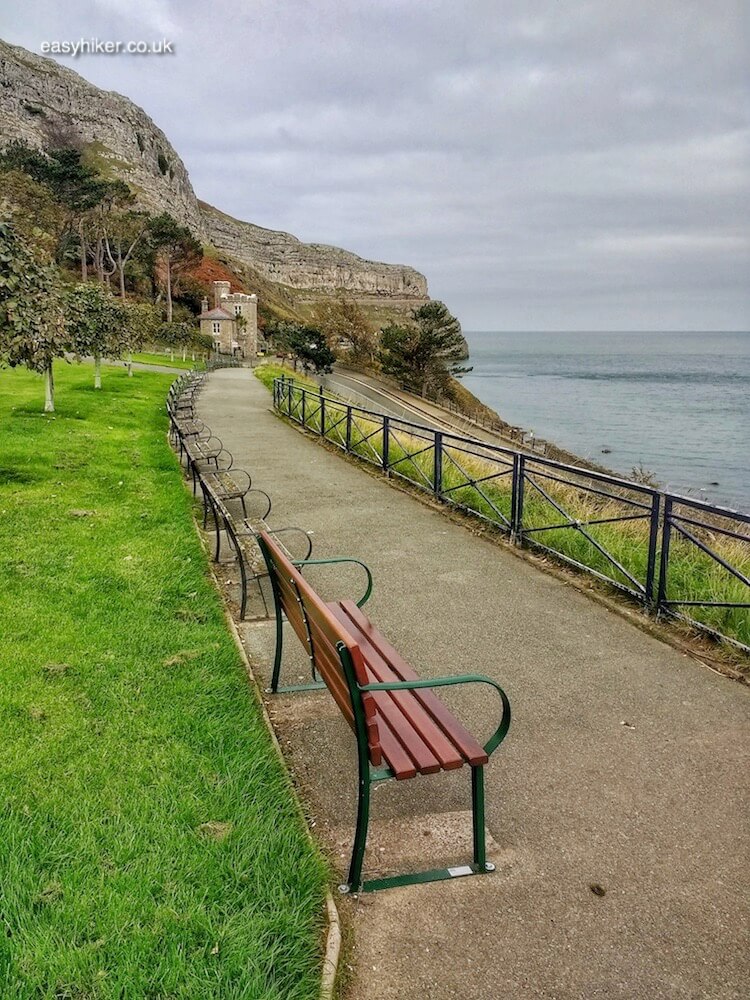
… but wherever you go, try to move up one level or two for a panoramic view. You will much better understand why Llandudno wears the crown as the Queen of the Welsh Resorts when you have seen its truly majestic setting.