Nantes is one of France’s great provincial cities and stands – in the minds of the French – for the Atlantic West as Marseille stands for the South and Strasbourg for the East. Foreign visitors may be familiar with the city as the entry point to two of the country’s most famous tourist regions: Brittany, particularly the sandy beaches of the west coast, and the Pays de la Loire with its royal palaces.
If you have visited either of those two, you may have passed through Nantes airport, but next time, rather than jump into the shuttle bus and then take the next train out, we suggest you spend a night or two to have a look around and explore Nantes.
Nantes may very well be the capital of the Loire region, but, it is said, its heart beats in Brittany. I don’t know the city well enough to say to what extent this may be true, but it is obvious that it has one foot in either camp.
Take the city’s main tourist attraction: the Chateau des Ducs de Bretagne, the home of the Dukes of Brittany and later the seat of Brittany’s regional government until Nantes became the capital of the newly created Loire region in 1956.
Brittany’s signature castle, however, has little in common with the bottom-heavy architecture in the rest of the province and breathes the more gentle and graceful spirit of the Loire.
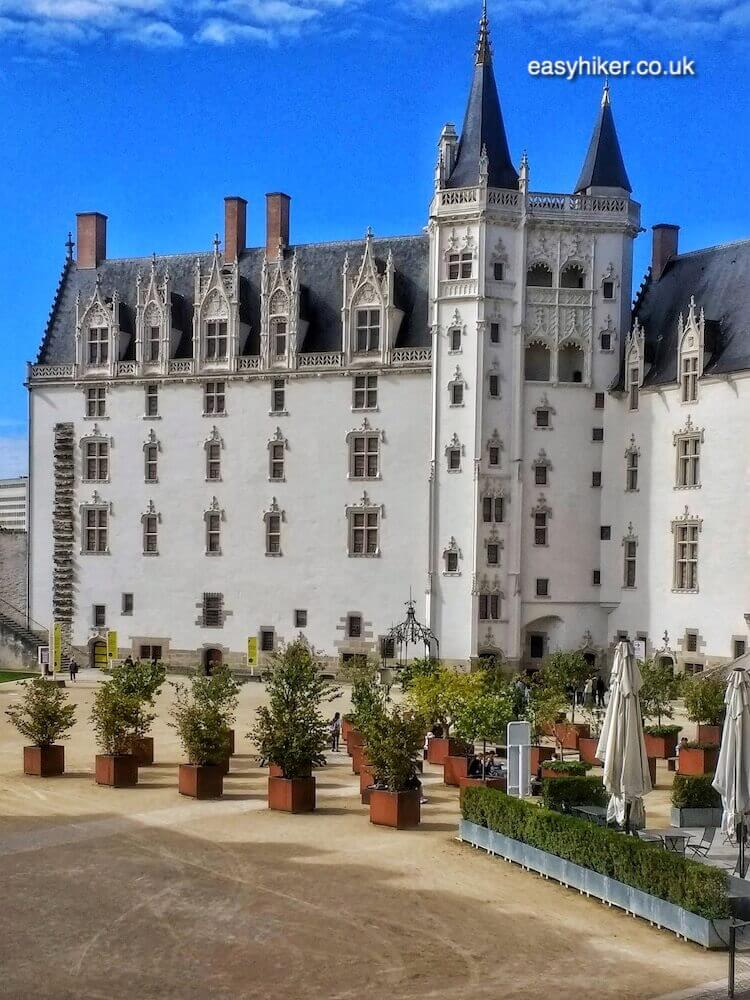
Once you have stepped through the gates into the courtyard, that is. The external front, meanwhile, reflects the castle’s role of a stronghold for the Dukes of Brittany in their struggles with the kings of France, most of all the 15th century Guerre Folle (the “crazy war”), which, for all practical purposes, put an end to the local rulers’ ambitions of running Brittany as a largely sovereign duchy.
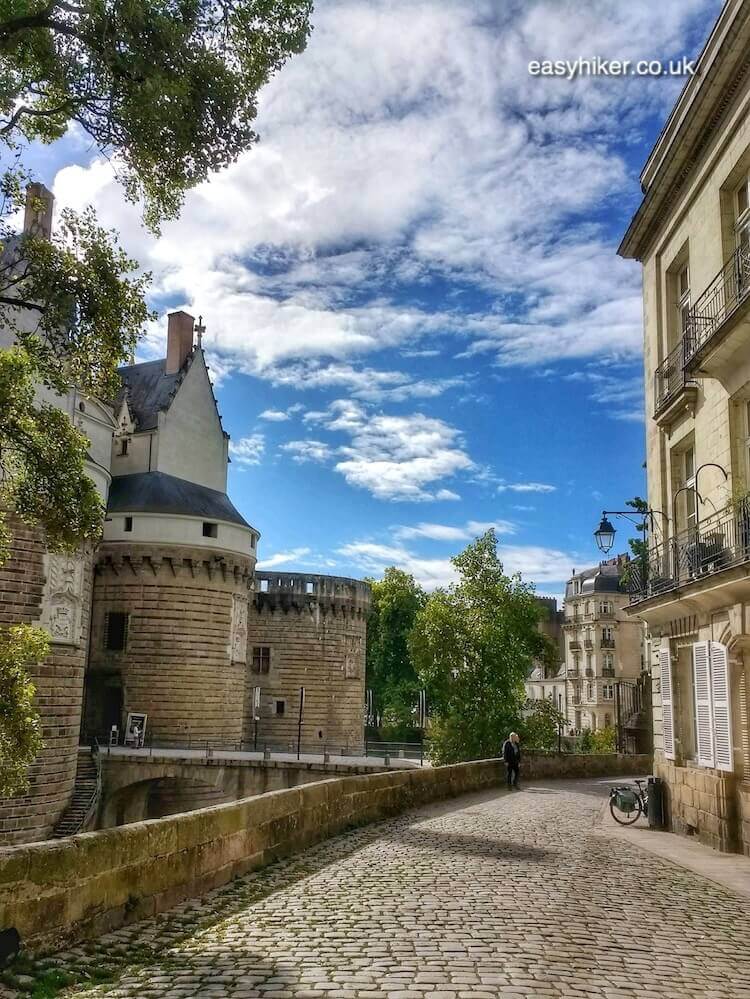
Most of the palaces in the Loire valley were built when the monarchy was already firmly entrenched. They were commissioned by the king himself and his favoured courtiers, not by quarrelsome local warlords.
The Chateau of Nantes, conversely, was always conceived as a dual-purpose building: it was meant to serve as both a fortress and a luxurious residence. Once it had fallen into the hands of the kings of France, it was much rebuilt and restyled over the centuries, but the subtle delicacy of the architecture had been there right from the start.
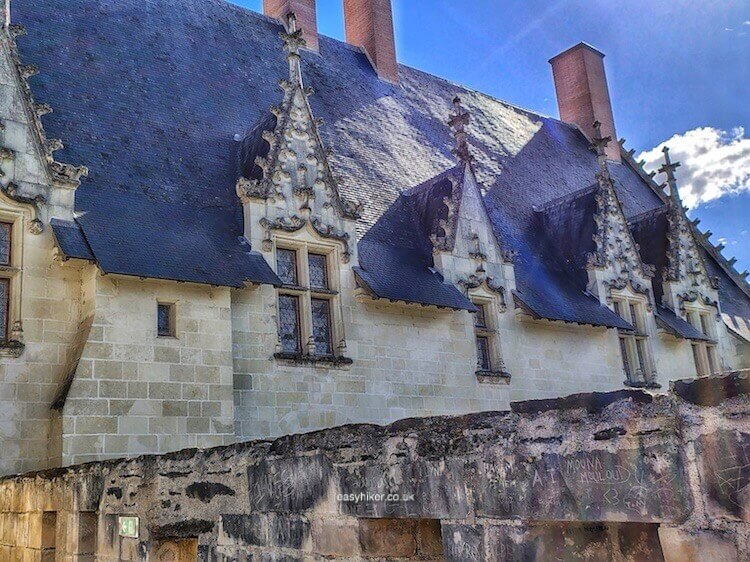
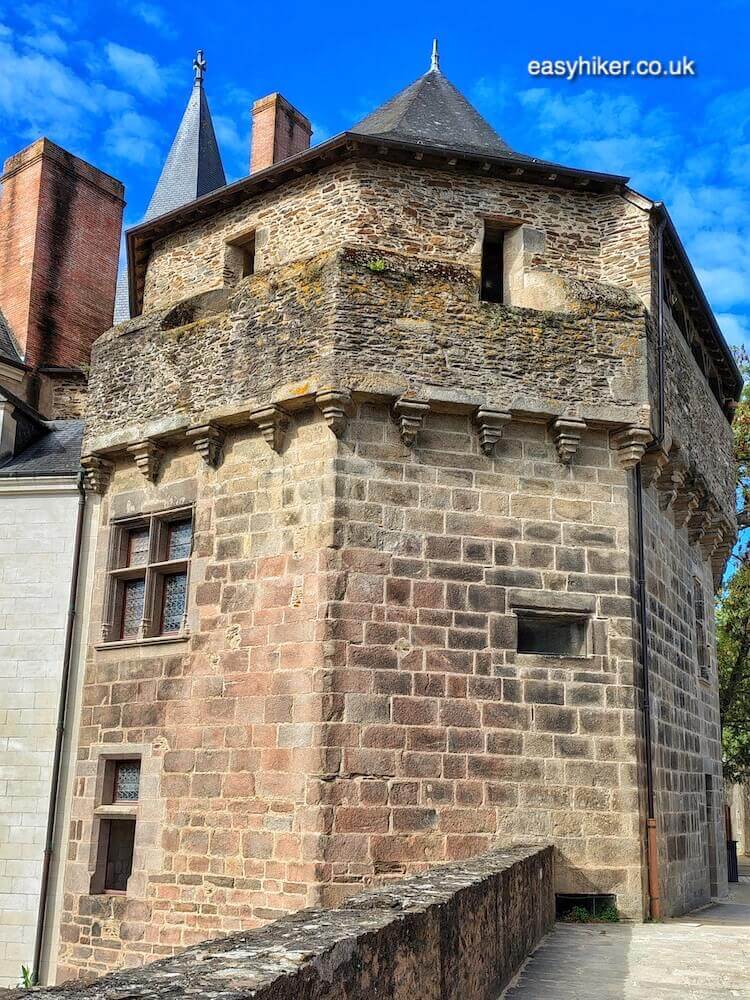
Not the least amazing thing about the building is how much you can explore without paying the entrance fee (you are only charged for a visit of the interior spaces). In particular, you are free to take the circular – actually rectangular – walk down the entire length of the ramparts. This is easily the city’s most popular tourist trail: you get panoramic views of the townscape but, most of all, the opportunity to take a close-up look at the different features of the Chateau.
Nantes was built on the banks of the mighty Loire, so we thought it would be a good idea to feature the river promenade in our three walks to explore Nantes.
It turned out, however, that there is no such promenade – no walkway lined with cafés, restaurants and scenic views – but just a scruffy patch of greenland.
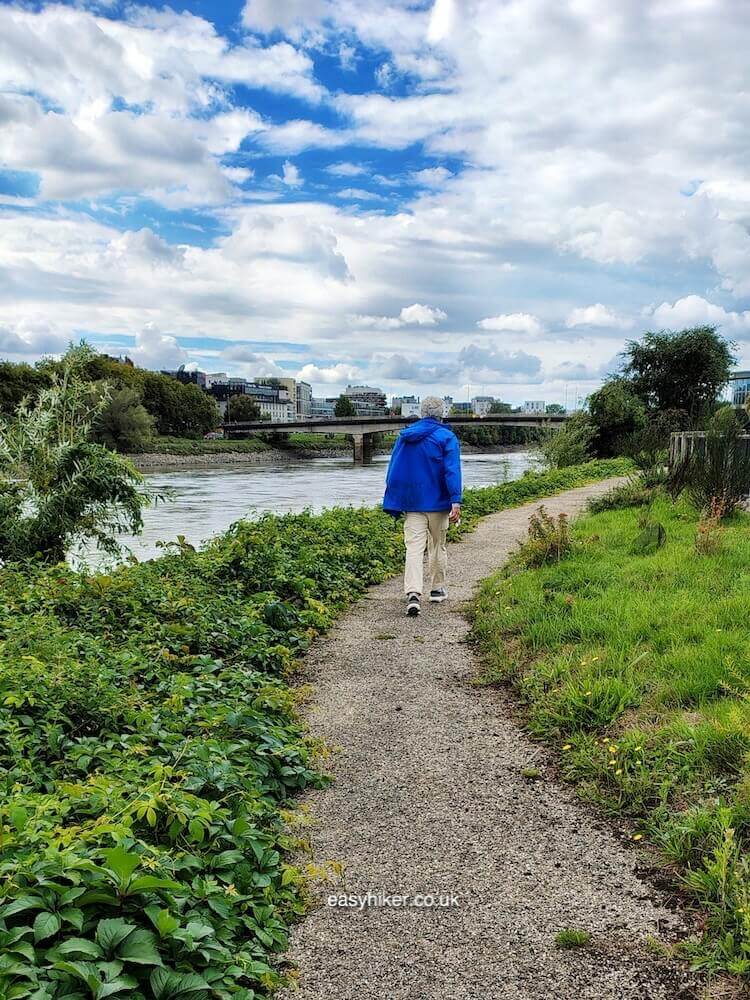
So we turned elsewhere in search of our scenic riverside walk. Nantes, after all, is home to more than a single river: once upon a time, in fact, many rivers criss-crossed the old town, so many that Nantes was nicknamed the “Venice of the West”.
In the early 20th century, however, all of these rivers were concreted over (today’s Nantes is more the Venice of the Underworld), and only the biggest of these tributaries is still allowed to at least approach the Loire in the open air.
But even the Erdre is eventually stopped a few hundred meters outside the town centre where it is conducted into a subterranean tunnel. This tunnel then meets the Loire near the ancient core of the old town – in antiquity, Nantes was known as Condevincum , a Latinised version of the ancient Greek word for confluence.
Three Walks to Explore Nantes
We begin our short riverside walk, however, at the other end of the tunnel where it starts on the Quai Ceineray.
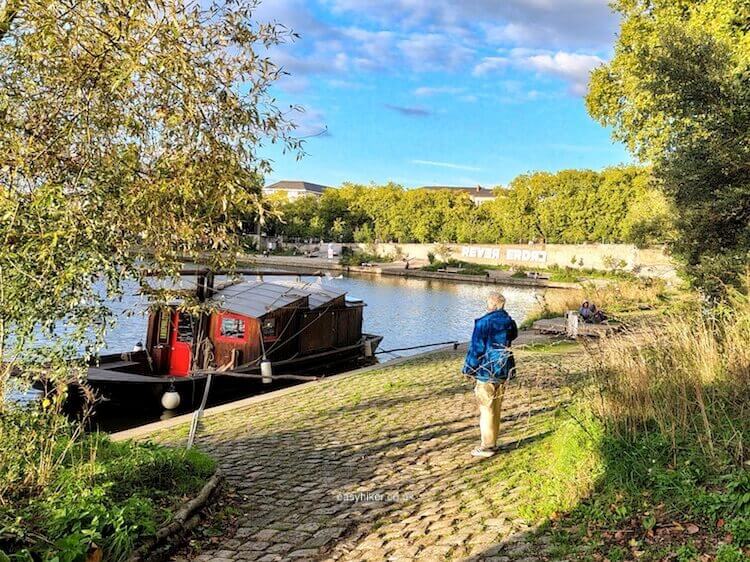
From there, we follow the course of the Erdre upstream for a few hundred meters on our right hand side (the river’s left bank) until we arrive at the walk’s most interesting feature: the Ile de Versailles, a man-made river island that was created during the construction of the Nantes-Brest Canal in the middle of the 19th century. Cross over the Passerelle Barbusse footbridge …
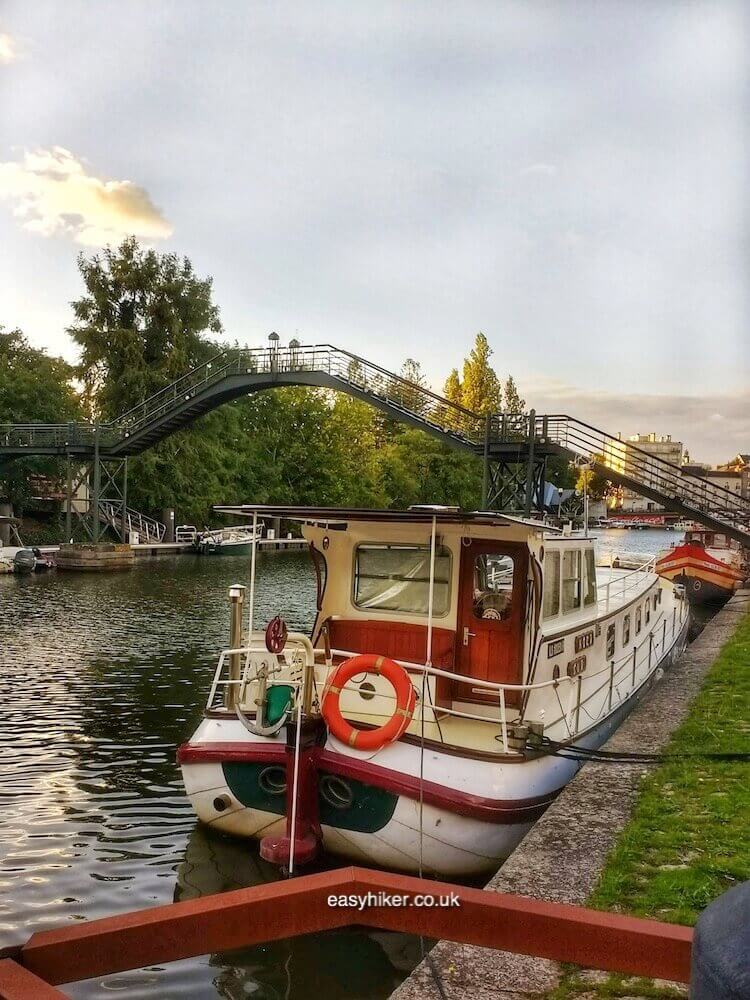
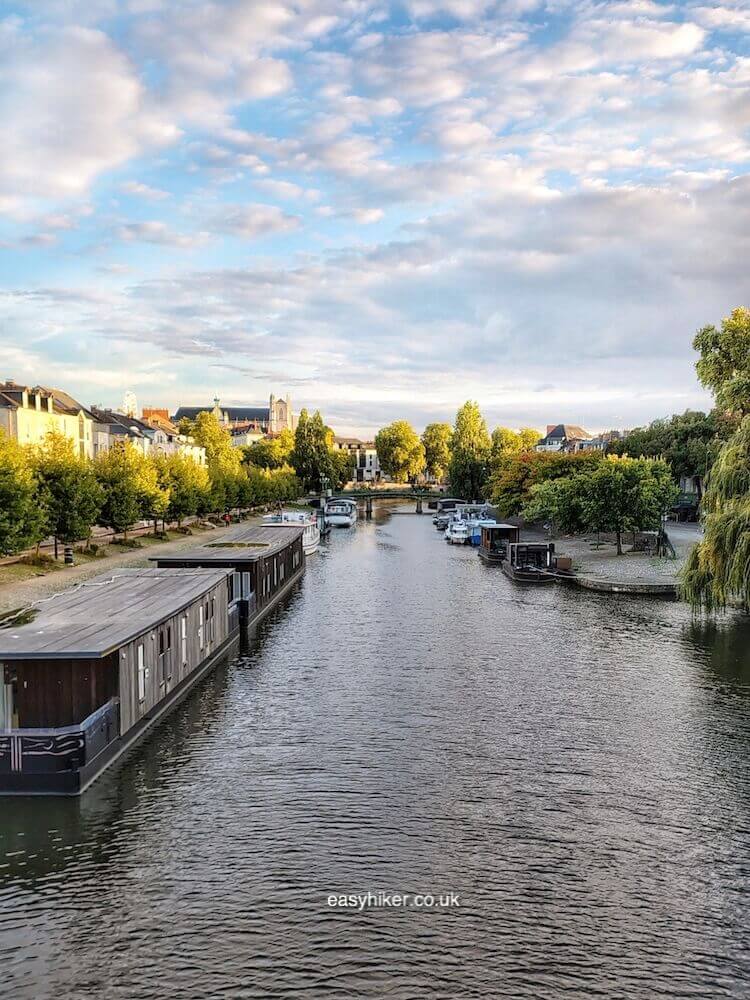
… for a beautiful view downstream …
… and a stroll through the island’s Japanese garden.
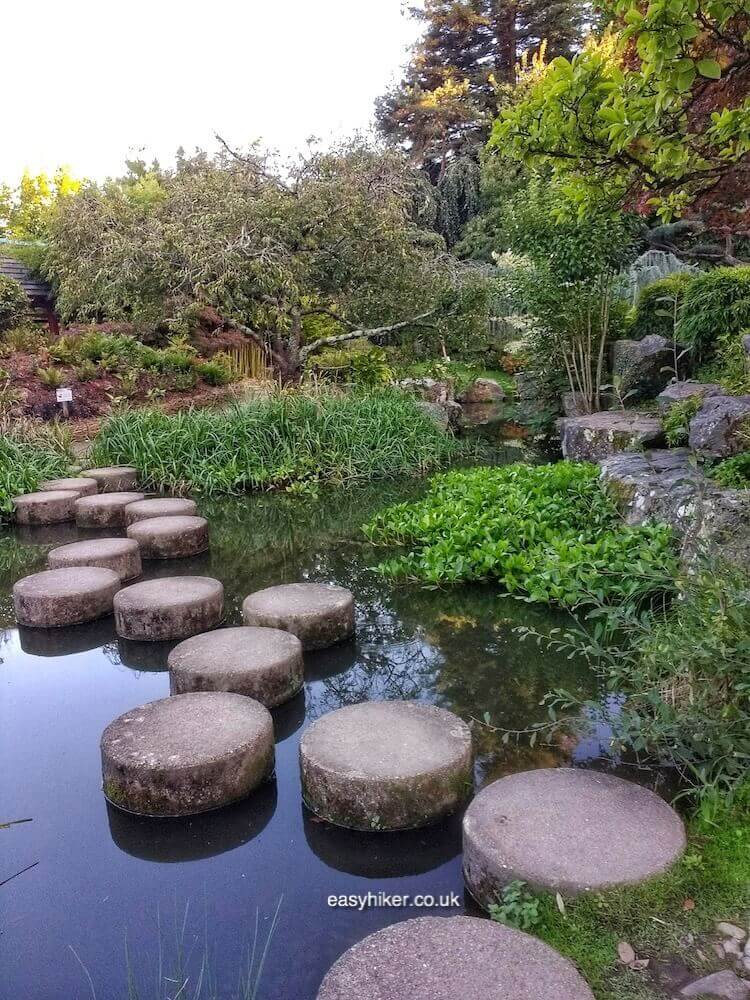
Or rather, I should say: a garden that was inspired by Japanese motives and created by a group of French landscape designers in 1986. This is a great place to saunter around a little or just to sit down and relax for a few minutes.
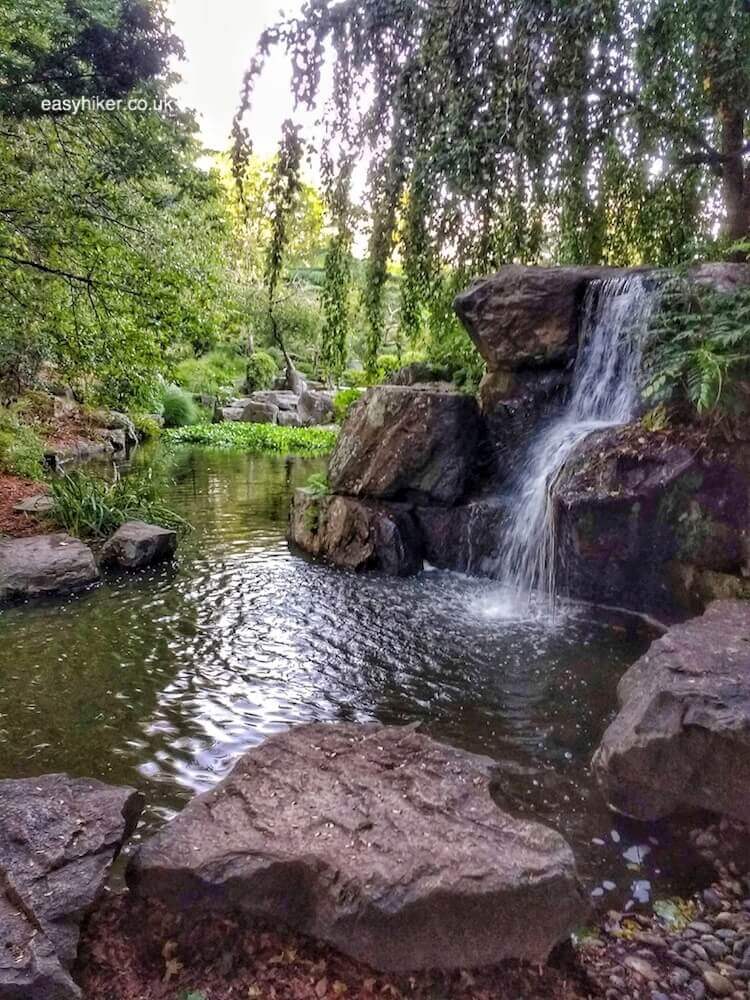
The footbridge across the river can be used until 5 o’clock, but you can still access the garden after that (it closes at 7:30) via the quai at the other bank.
To do that, you must – if you arrive at the footbridge when the entrance door has already been shut for the day – walk back two hundred meters or so to cross over at the Pont Saint Mihiel.
Finally, you should not leave Nantes without taking at least a short walk through the town centre. Start in the heart of urban life at the Place Royale, whose centrepiece – the 19th century fountain that celebrates the Loire and its many tributaries – has been temporarily populated with life-sized figurines of “every-day folks” …
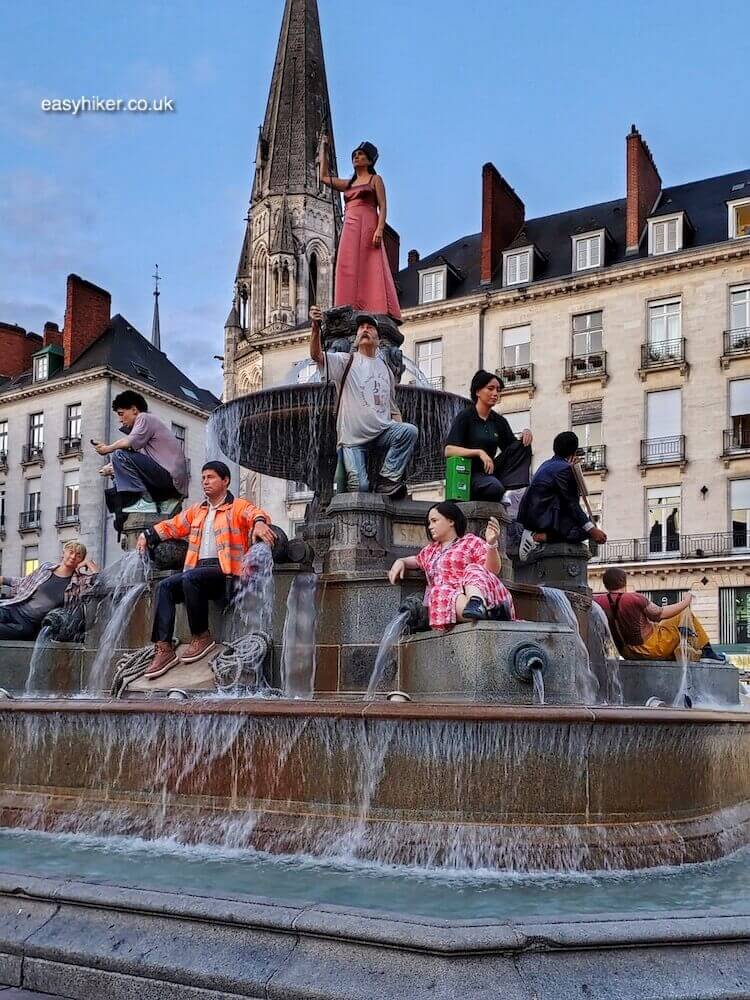
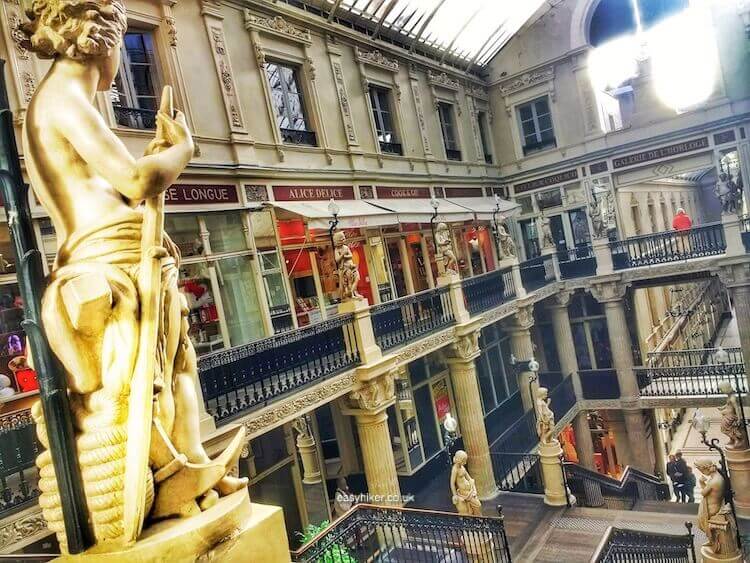
… and continue into Rue Crebillon. Do not miss the Passage Pommeraye down Rue Regnier on your left hand side, half shopping arcade and half an exhibition of 19th century plastic art but above all a great demonstration of the fact that the citizens of France’s Belle Epoque saw no great need to separate the one from the other.
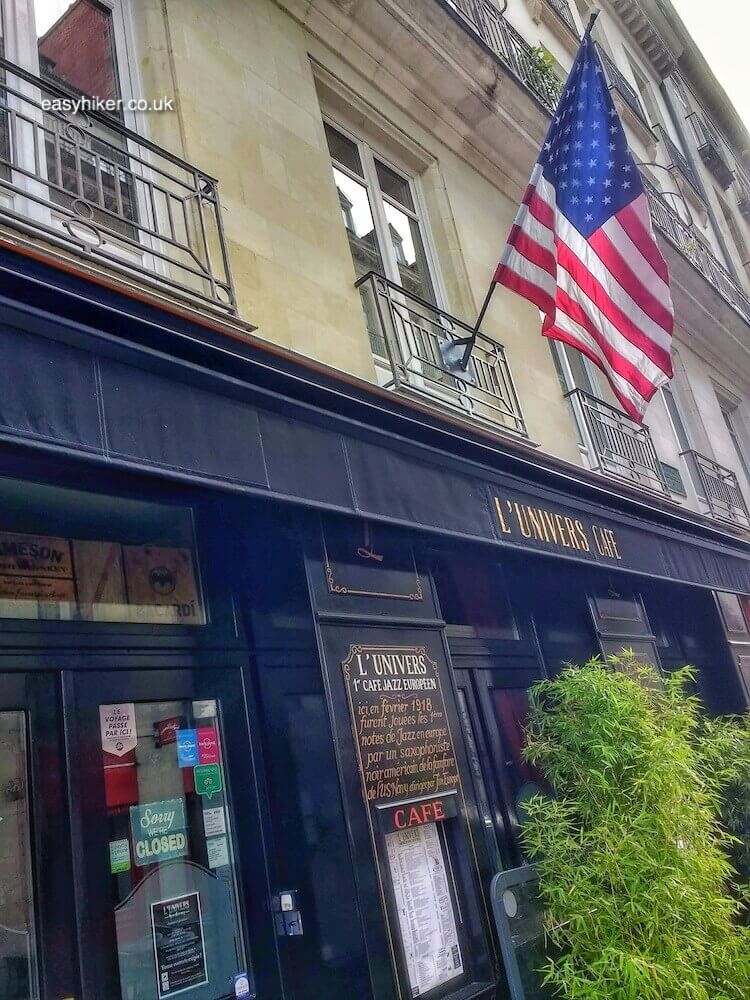
This area is also Nantes’s theatre district, so there are plenty of places that invite you in for a pre-diner drink or a cup of coffee. Places like the L’Univers Café (on Rue Rousseau around the corner) where, in February 1918, the 369th Infantry’s Harlem Hellfighters Band entered musical history when members of the military band, on shore leave from their WWI troop transport ship, treated the astounded locals to the first ever jazz concert on European soil.
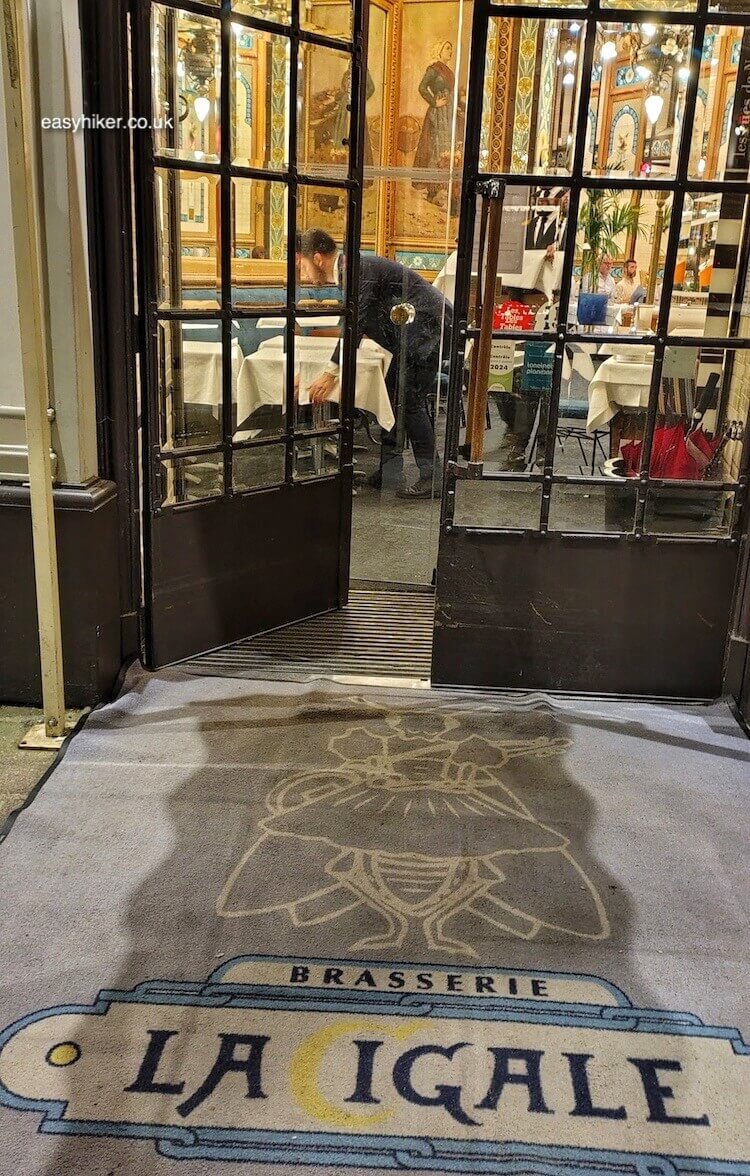
And to finish the day, we suggest you wrap up your visit of the city by dining in La Cigale, one of the most sumptuously decorated brasseries in the entire country: a Grand Finale of our three walks to explore Nantes.