Over the years, we have taken you to hike in many places all over Italy: coasts and mountains, lakes and rivers, cities and isolated villages. Today, we will tell you what to do at the end of a long hiking day – or rather, what not to do to avoid falling into the Circles Of Hell that Italy holds ready for those visitors who violate its most sacred rules.
Every country has unwritten rules that govern the small things in life – or rather: things that seem small when seen in isolation but which, together, make up a society. Without these unwritten rules, civilisation as we know it would fall apart. Well, perhaps not quite, but that is how native people feel about them.
Such rules exist in Anglo-Saxon countries, too. If you don’t believe me, go ahead and scratch your ass during the singing of the National Anthem in an NFL stadium. You will see what I mean.
I admit, however, that there may be fewer such unwritten rules in Anglo-Saxon countries than elsewhere, and there are certainly not many that apply to food. In England or the USA, you can eat what you want, how you want and when. All things concerning eating firmly fall into the space of the personal.
In Italy, by contrast, the consumption of food is a social thing.
Italian Restaurants and Their Three Circles of Hell
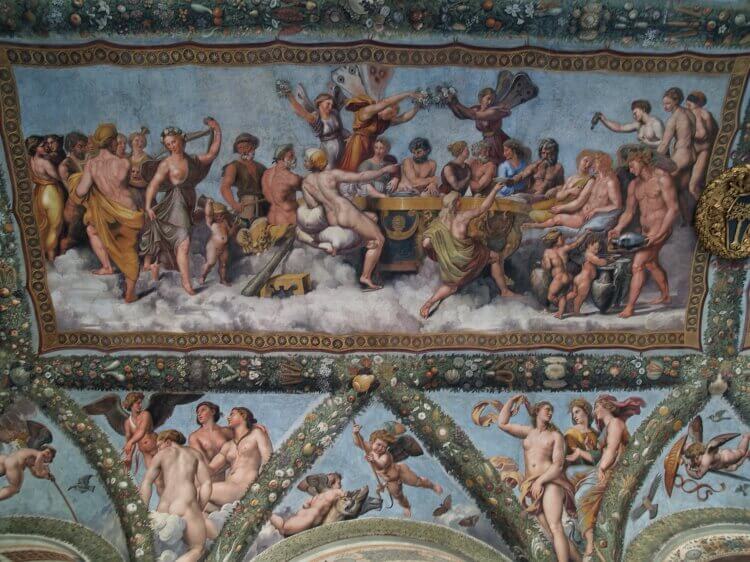
People and particularly families eat together. The joint meal is the number one sacrament in the Cult Of The Family – which pre-dates any other cult in Italy including Christianity.
This sacramental dimension of food extends to everything about eating – the What and the How, but also the When and the What-To-Wear.
So now you know what is at stake. You should therefore be ready to understand the importance of the rules you need to observe for avoiding the three circles of hell that the Italians have reserved for the folks who dare to violate their commandments of civilised restaurant behaviour.
I have divided these rules to be aware of, when in Italian restaurants, into three groups: rules that even the Italians themselves (occasionally) disregard, misdemeanours (things that Italians generally will not do themselves but may be ready to forgive in foreigners), capital sins. You have been warned.
First Circle of Hell: Limbo
Do not mix terra and mare. Italian menus distinguish between terra (dairy or meat) and mare (seafood). You should choose starter (antipasto) and primo/secondo (pasta/meat or fish course) from the same category.
Do not start your meal by eating the bread that has been served in a basket. It is there to clean up any leftover sauce from the main courses. And do not dip this bread into the olive oil on your table. This oil is meant to season your pasta or other food.
Do not have a coke with your meal. Coke is for afternoons on the beach or for mixing drinks in the evening. As an accompaniment for meals, only wine (no ice!) and/or water will do. Beer, if you must, but only for foods down in the ranks of sophistication (pizza and lower).
Do not arrive too early. Beware of the Italian restaurant that opens at six or, heaven forbid, even earlier. It expects to be full of tourists. Italians will start to arrive at around 8 pm, and peak time does not begin much before 9.
Middle Circle of Hell: Heresy
No spoon for your pasta. Spoons as instruments to help with the twirling of spaghetti are okay for children only. Adults are expected to know how to handle a fork. If a restaurant serves your spaghetti with a fork and a spoon, you will already have given them reason to believe you are from Iowa.
No cappuccino after breakfast. Italians believe that milk takes something like a whole day to digest, so you better give your body the time to do the work. Okay, I know: on the whole, this is on a par with the folk belief that you can catch the flu from having an ice-cold drink. But that is what they have believed for a long time, and it has become part of the national mindset.
Having a cappuccino after lunch or diner is the worst possible offence against the “no milk after 11 am” rule. You signal that you are familiar with the Italian habit of ordering a coffee after a meal but abhor the bitter taste of the brew. Which is why you have adapted the rule to suit your own preferences – the ultimate heresy. Italian rules cannot be bent: you either follow or violate them. It’s heaven or hell.
No parmesan on seafood. If mare & terra in general do not mix well, they are certainly not allowed to mix in the same pasta bowl. The pungy taste of grating cheese must not interfere with the more delicate flavours of seafood. Also note that even outside of the pasta bowl, there are only a few traditional Italian dishes that combine fish and cheese.
Follow the dress code. In restaurants, eating meets another essential feature of life in Italy – the law of Bella Figura which says that, in public, you are expected to always show the best side of you. Life is a performance act, and everybody is simultaneously a performer, a member of the audience – and a fierce critic, too.
Dress code details depend on what kind of restaurant you are going to and when: summer rules tend to be a little more relaxed, evening rules are stricter than those for lunch, and what is okay in a provincial trattoria is not necessarily appropriate for a fancy restaurant in downtown Milan. But the general rule is: make an effort! Avoid the beach look – shorts, T-shirt and sandals – and pick the nicest clothes you can find in your luggage.
Match your colours with each other and your outfit to the occasion. You are going to an Italian restaurant, not to a Kim Kardashian fancy-dress party.
Last Circle of Hell: Treachery
Above all, you have to understand what Italian restaurants actually are for. People do not go there to just eat but to celebrate the beautiful life. They dress up and try to be at their wittiest and most entertaining to remind each other of what it is that makes life worth living: beauty and grace, colour and elegance, animated conversation and laughter.
Food is just one element in this mix, as is wine (in moderation: you will never see anybody drunk in an Italian restaurant). You have come to an oasis from the drudgery of the everyday where the harsh realities of life outside are ignored. It’s a charade, of course, but for a couple of hours, you will have to play along. Remember: this is not your game, and you do not make the rules.
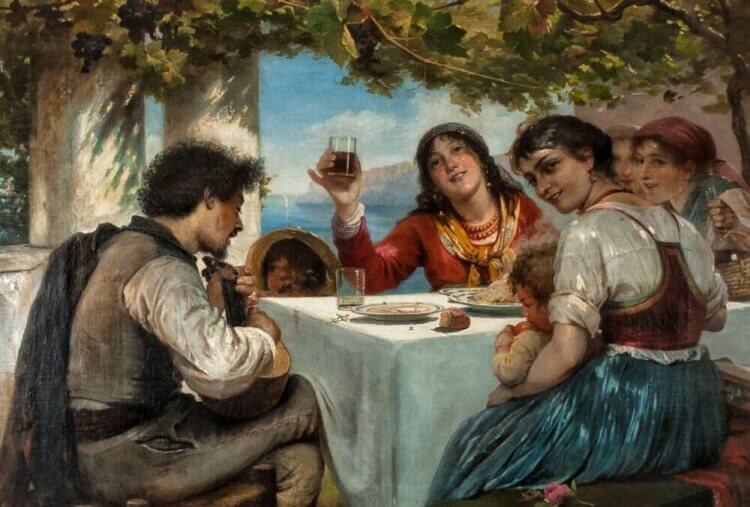
Those harsh realities of life include money matters. An Italian restaurant is no place for penny-pinching. This does not mean that you have to order the most expensive items on the menu. But do not just order a starter – or a pasta dish (a primo) – and no drinks. Do not ask for free tap water – in France, everybody orders a complementary pichet d’eau, but that is highly uncommon here. Treat yourself and have some fun!
And finally: don’t cut your pasta. You would cause less of a scandal if you reached with your bare hands into the spaghetti bowl and used your fingers to stuff your mouth.
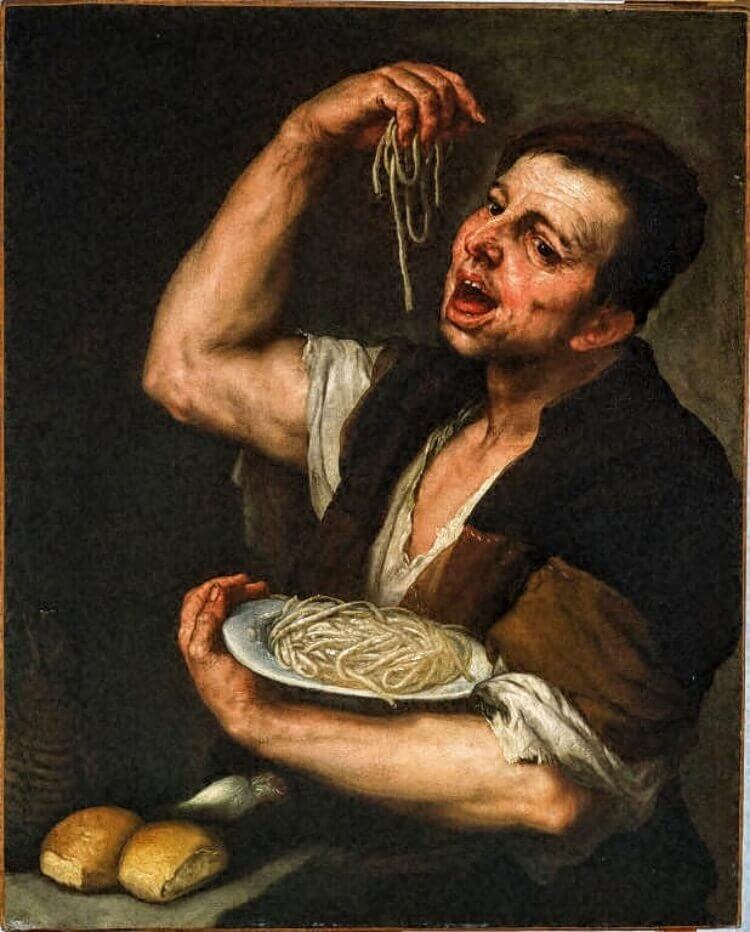
At which stage you might think: to hell with these silly ground rules! After all, what is the worst thing that can happen to me if I break them?
Beware: visitors who dare to violate the most sacred of Italian food rules risk being publicly mocked and humiliated by fellow diners or even by members of the staff. It’s hard to believe, I know, but I have seen it with my own eyes. The offender – a single young woman from France – sneaked out of the restaurant like a dog that had been kicked and beaten. How about that for a truly memorable holiday experience?