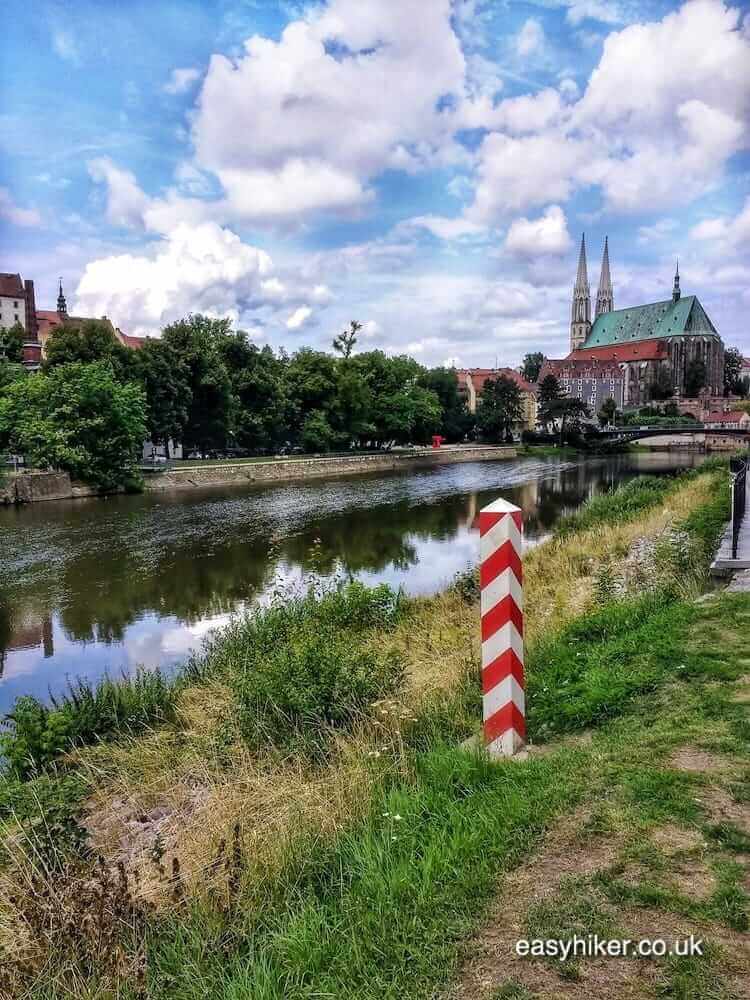
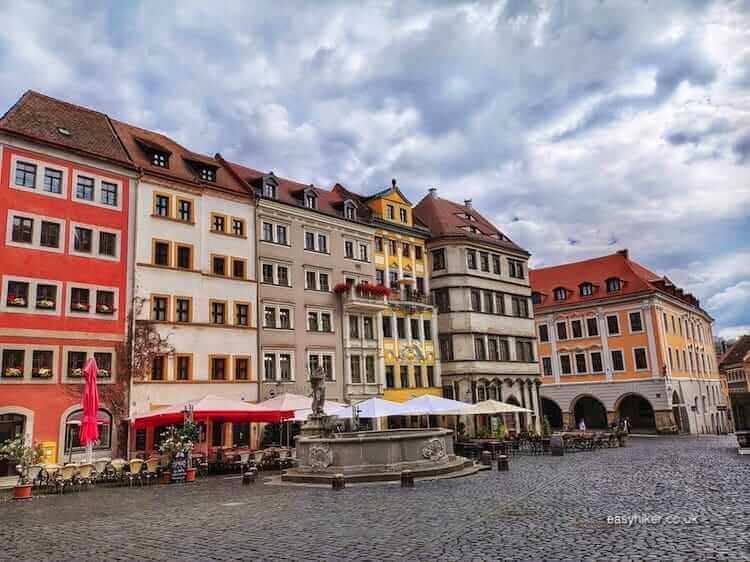
You may have never heard the name before, but Görlitz in the extreme south-eastern corner of Germany is a serious contender for the crown of the country’s Most Beautiful Town.
In a part of Europe that has been devastated by violent conflicts time and again over the centuries, Görlitz has managed to survive the horrors of Napoleonic invasions, the allied bombings during WWII and Stalin’s brutal campaign of retribution with little more than a scratch and could take center stage in any beauty contest as the Miss Germany of urban destinations, the Glitzy Görly of Central Europe.
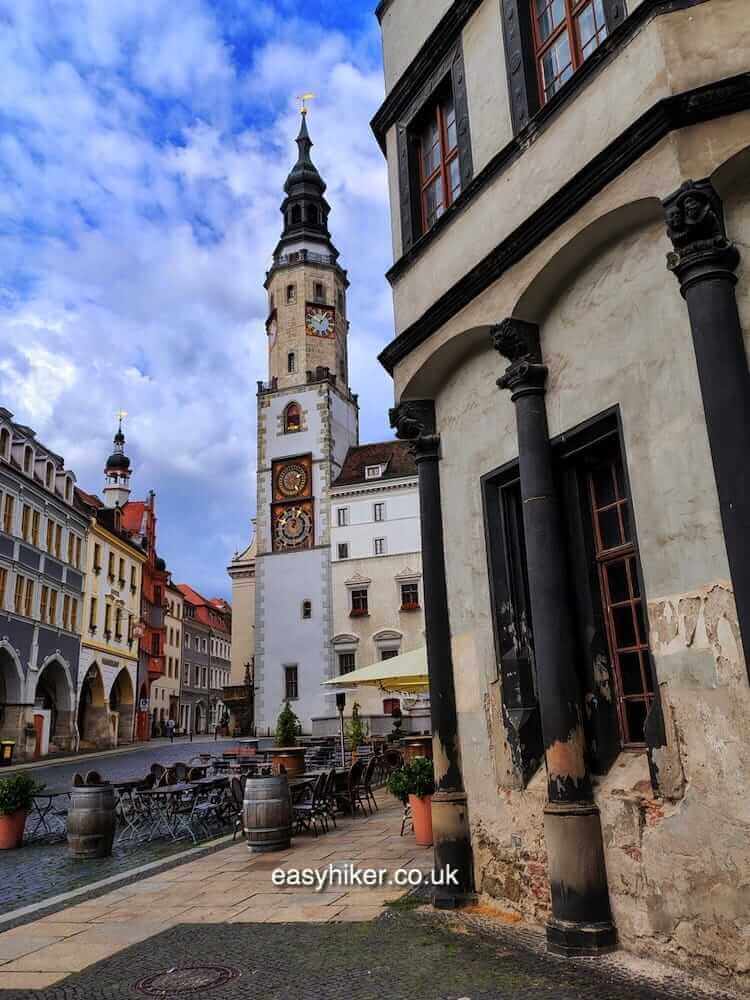
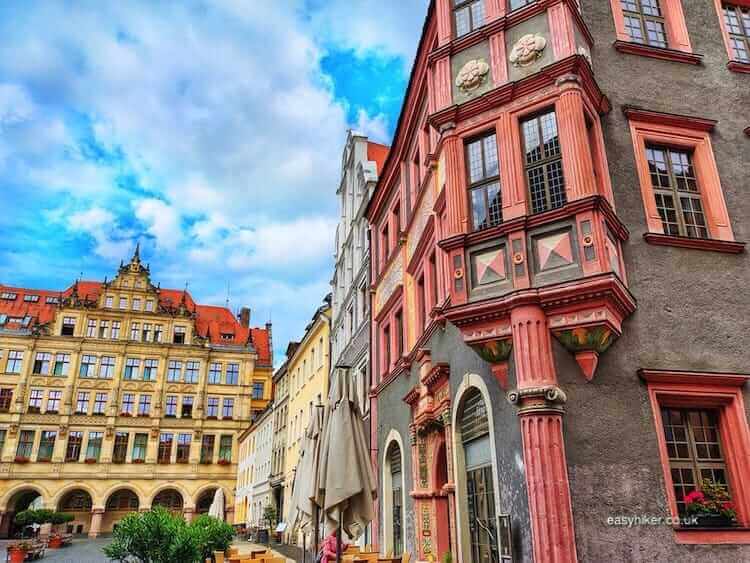
Actually, there are few places anywhere on the continent where you could find such a colourful mix of first-grade architecture from every period of history, starting with the Middle Ages (the Dicker Turm, the appropriately named “Thick Tower”, built in 1250), …
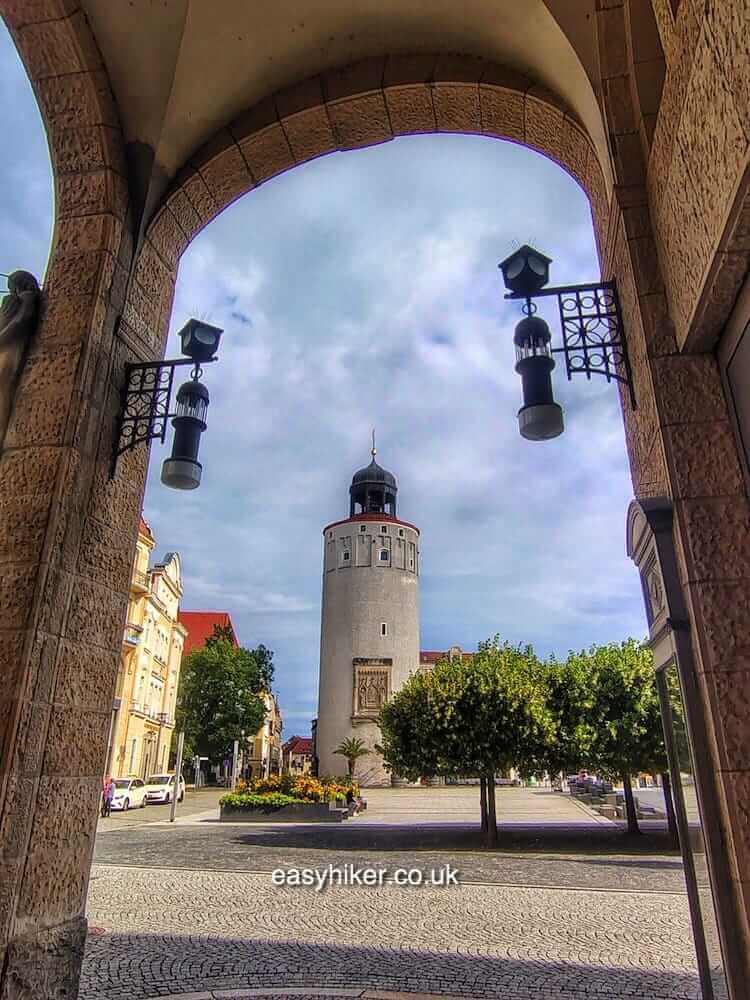
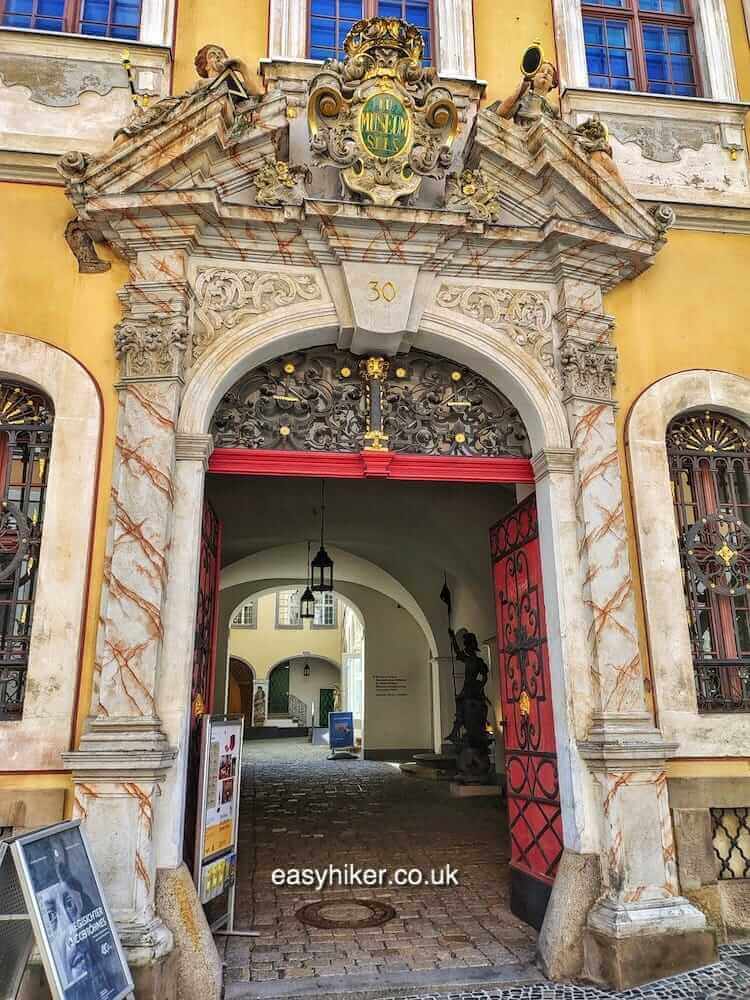
… passing via the Renaissance (the Schönhof from 1526 is clearly Germanic in feel, but the way in which the decorative relief pillars were integrated into the facade shows that the architect was up-to-date with Italian fashions), …
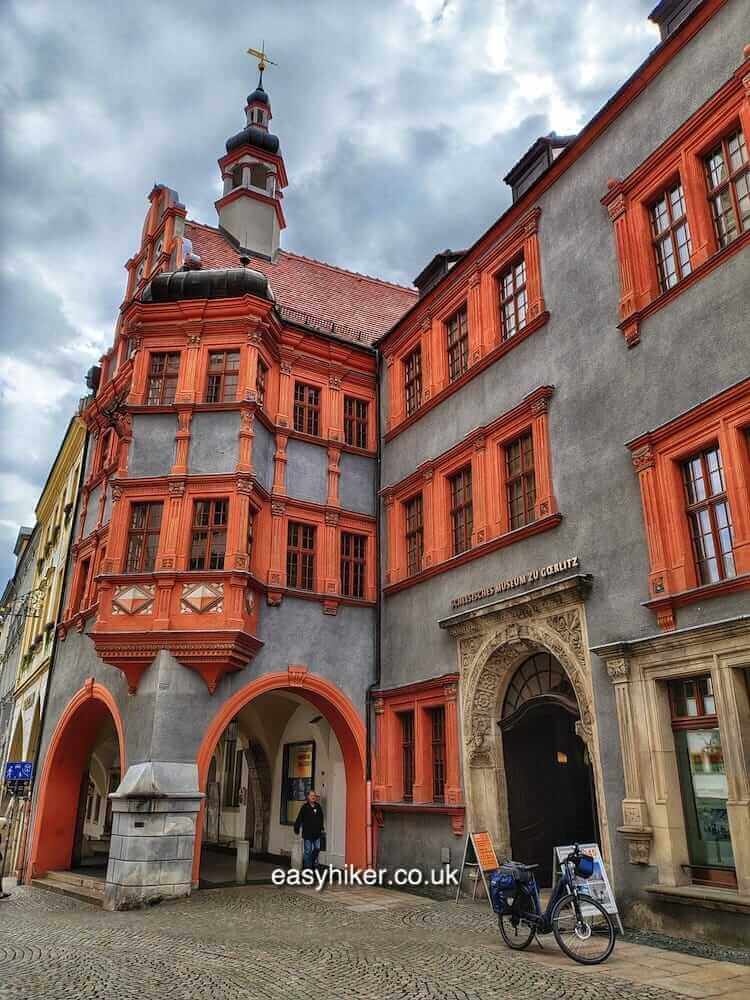
… and the Baroque …
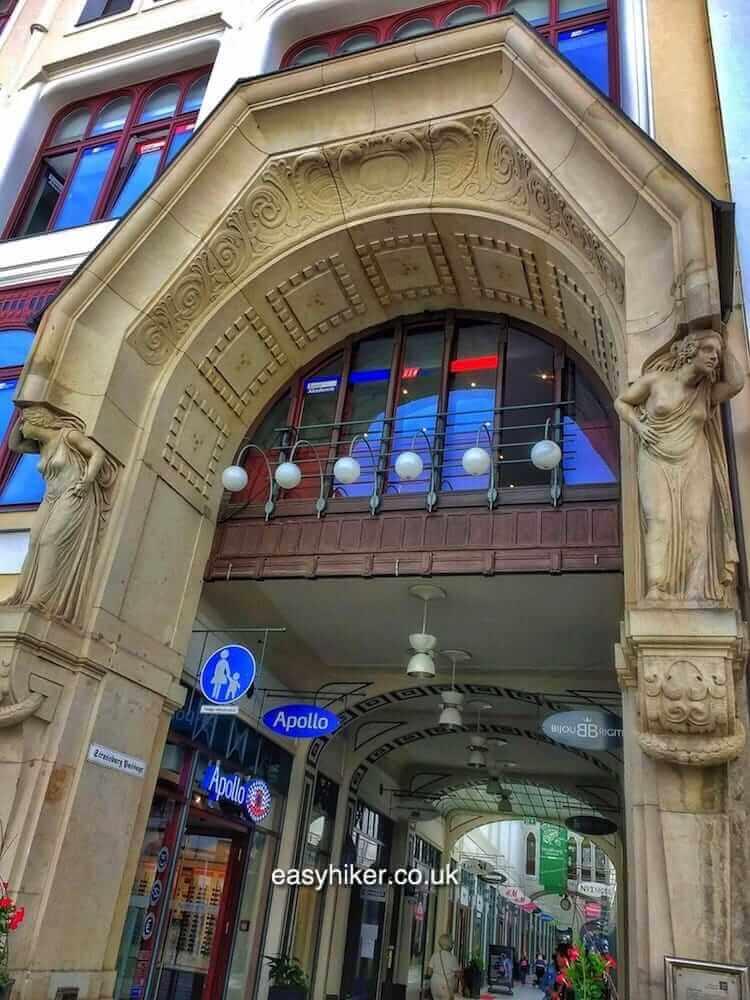
… all the way to the 20th century: the Strassburg Passage from 1908 would not look out of place in the Art Nouveau streets of Brussels or Vienna.
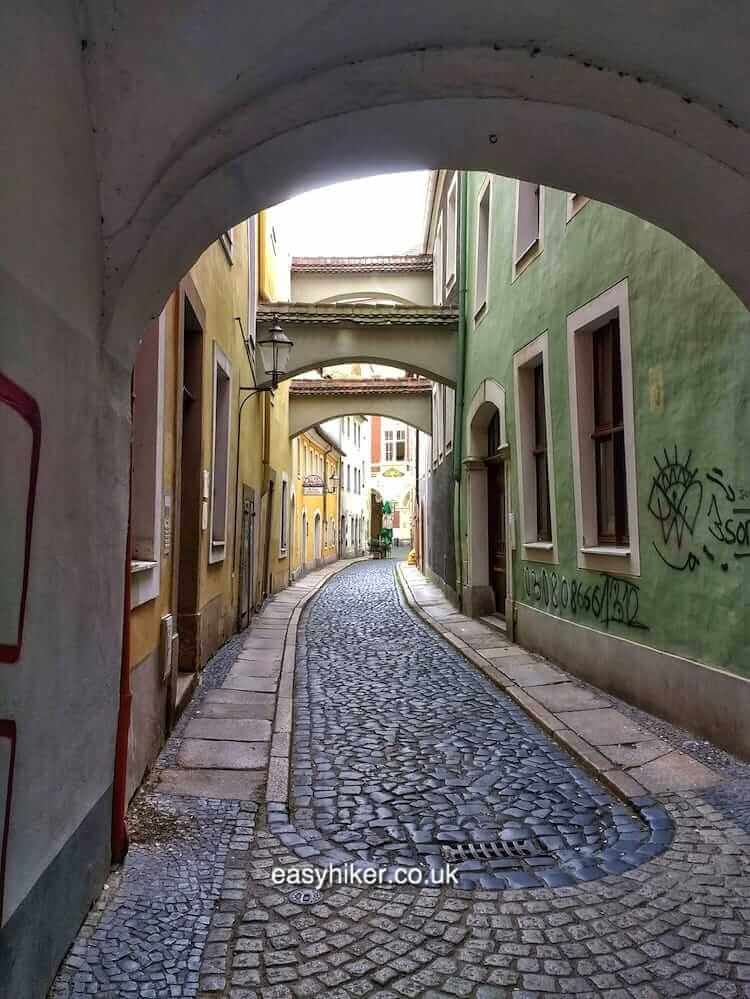
All architectural fashions of the past millennium may have left their traces in Görlitz, but the town has preserved its Germanic soul. Cast a glance into the city centre’s side streets to see the ghosts and shadows of days-gone-by.
So what is Görlitz’s recipe? How has the town managed to accomplish this feat of combining beauty with character in a way that few contemporary German cities have managed?
It all comes down to a combination of three factors. Firstly, Görlitz has been a tremendously wealthy city throughout the 1000 years of its history. From the Middle Ages to the 1700s, the town was one of Europe’s main centres for the production and distribution of a plant called Dyer’s Woad, the main source of blue dyes in pre-industrial textile manufacturing. (The Woad is also what made the French city of Toulouse famous and rich.)
Görlitz reached its maximum prosperity around the year 1500 when it was part of Greater Hungary. (Yes, such a thing once existed. In Central European history, to paraphrase Andy Warhol, every country gets its 15 years of fame.)
And when the Prussians took over after the Napoleonic Wars, Görlitz may have lost nearly all of its previous independence, but the new rulers also brought many industries to town, ensuring that money came rolling in even after Woad had been replaced by synthetic colouring agents.
Secondly, for reasons not altogether clear, Görlitz suffered virtually no destruction in WWII. While several historical university towns in Germany were excluded from the allied bombing campaigns for partly sentimental and partly practical reasons (it is said that Heidelberg was spared because the US army had the town earmarked early on as its post-war HQ), Görlitz was a city of industry, a busy railway hub and a centre of mechanical engineering.
The town’s municipal register nevertheless records serious wartime damage to a mere 37 buildings. On the assets side of the balance sheet, conversely, there are today 4000 listed buildings in Görlitz, three times as many as modern Berlin can muster.
Thirdly, Görlitz benefited from generous reconstruction funding after the fall of the Iron Curtain in the late 1980s. Most of this money came from the public purse (in total over one billion Euros), but there is also the story of a mysterious benefactor who, for twenty years, made an annual contribution of 500,000 Euros to the urban renewal fund.
At the time, German tabloids identified several Hollywood celebs as likely suspects, bearing in mind that the town had been frequently used as a stand-in Central European location in big-budget American movies.
Most famously, the interiors of the town’s largest department store, the old Kaufhaus zum Strauss on Demianiplatz, …
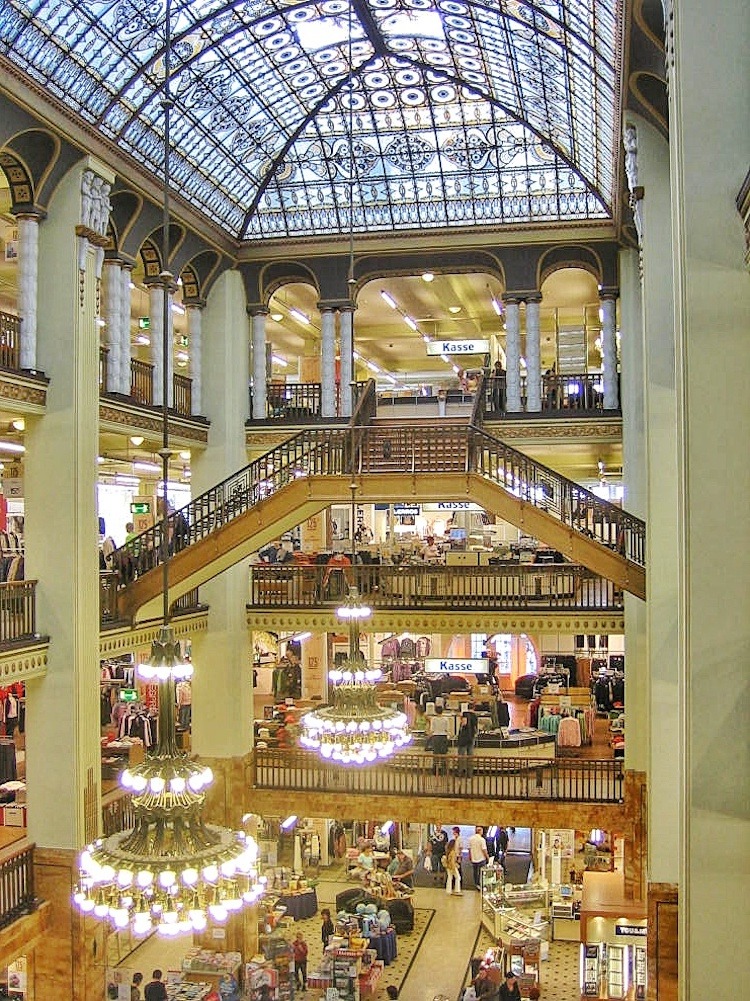
… were redressed for the title role in Wes Anderson’s The Grand Hotel Budapest.
But after 40 years of official neglect – Görlitz had fallen under Communist rule after the end of WWII – the town’s financial needs far exceeded the capabilities of a single philanthropist.
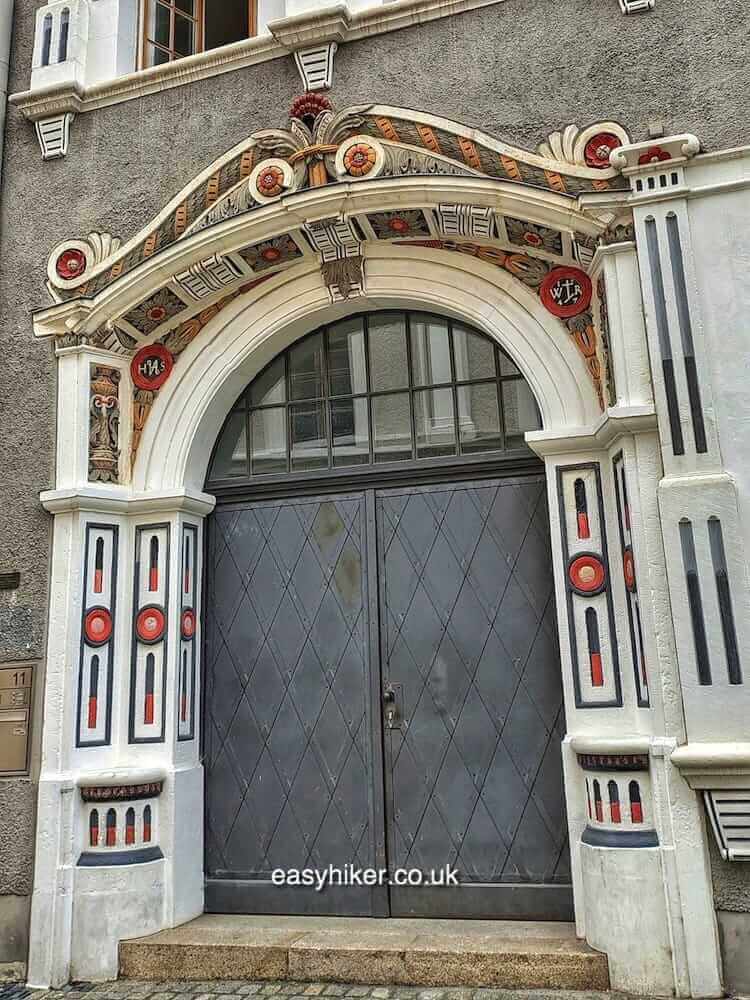
Still, the anonymous donor – apart from generating much positive PR for the town – enabled many projects that may otherwise not have been realized, for example the reconstruction of the historical doorway arches on Brüderstraße.
Ultimately, however, the key to Görlitz’s rise from the ashes of neglect was the willingness of private investors to chuck in with contributions on a smaller scale, a million here and a few hundred thousand there, to upgrade private residences, office buildings and commercial properties.
The hotel where we stayed in Görlitz, for example, had been tastefully redecorated in the grand bourgeois style of the interwar years, but a wall of photos in the hall gave us an idea of what type of work had been required to bring the building to the point where it is today.
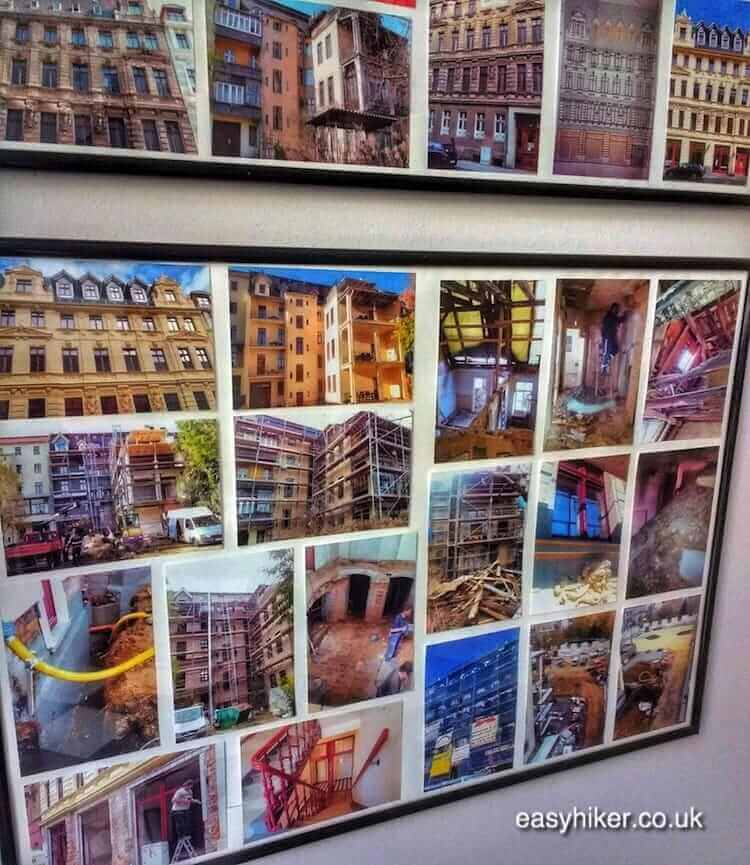
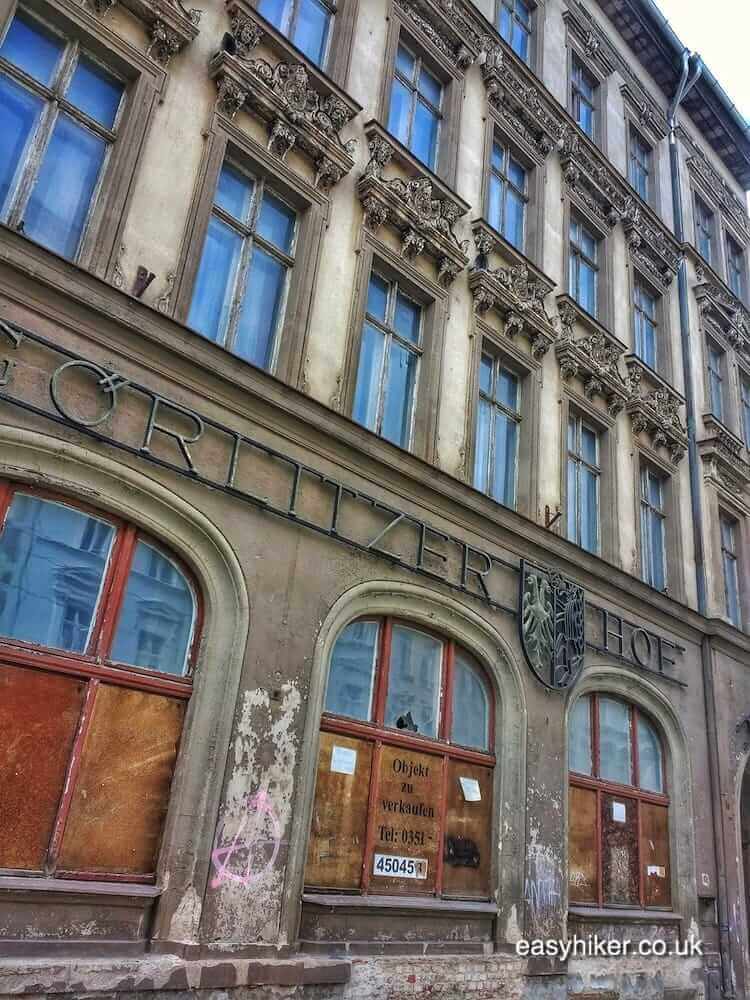
Many buildings in town did not receive that type of attention and funding. They serve as Memento Mori reminders of the near-death the town experienced under Communist rule. It is surely fair to say that the East German governments did more damage to Görlitz than WWII.
To get the best out of your visit to Görlitz, we recommend a casual stroll through the Old Town. Do not tick off the various sights: the town centre is small and can be explored by following your whim at any given street corner between Demianiplatz and the Saint Peter and Paul Church. Leave this church – commonly called the Peterskirche – for last …
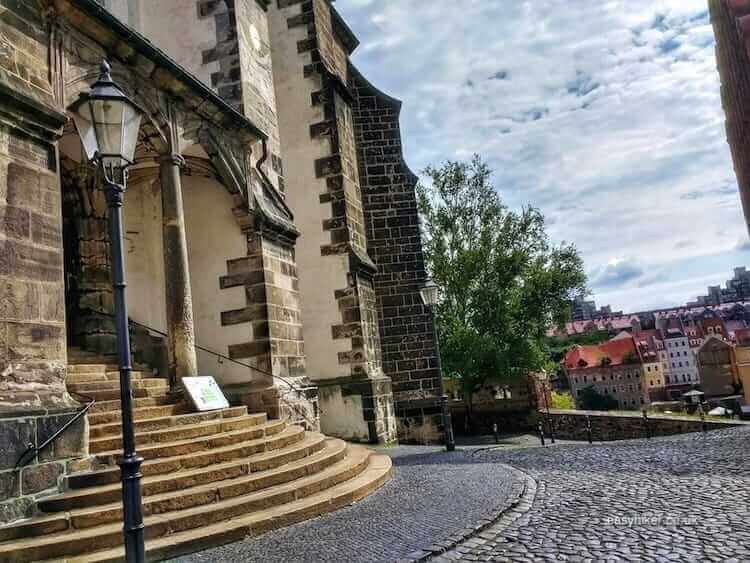
… and then walk down the church hill on the other side to cross over the Neisse River into Poland.
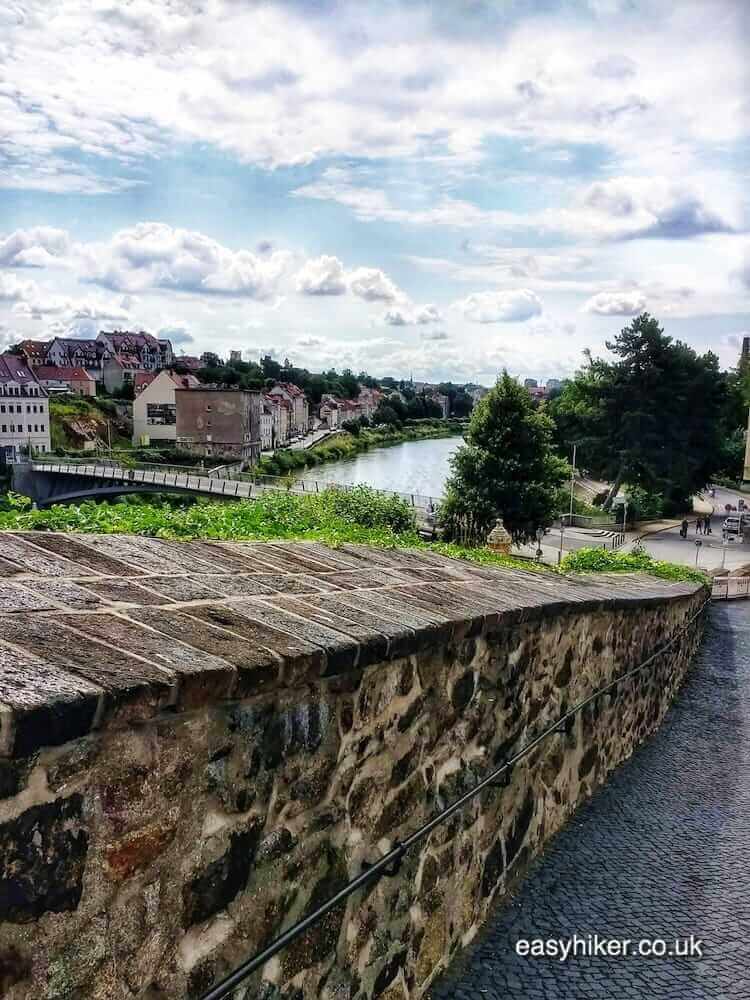
Zgorzelec, once the town’s eastern suburb, is now a community of its own. Take a short walk on the eastern bank of the river, which has marked the border between Poland and Germany since 1945, to marvel at Görlitz’s beauty.
Yes: the town has many problems – many young people have fled the region to look for better jobs in the West and have been replaced by wealthy pensioners, while once- flourishing industries have been replaced by tourism.
The Kaufhaus zum Strauss, meanwhile, is closed while it remains in the hands of an investor who has so far failed to invest. Yes: Germany’s beauty queen may be a bit of a Problem Görly, but is a very attractive Görly nevertheless.