For many years, Malaga was something like the Ugly Duckling among Western Europe’s large cities with a Mediterranean coastline: while places like Barcelona, Naples and Palermo became popular hotspots on the international tourism itinerary, Malaga on the southern tip of Andalusia – despite its attractive jumble of harbour vibes, grand fin-de-siècle architecture and subtropical fauna – remained little more than a hub for sun seekers on their way to the resorts of the near-by Costa del Sol.
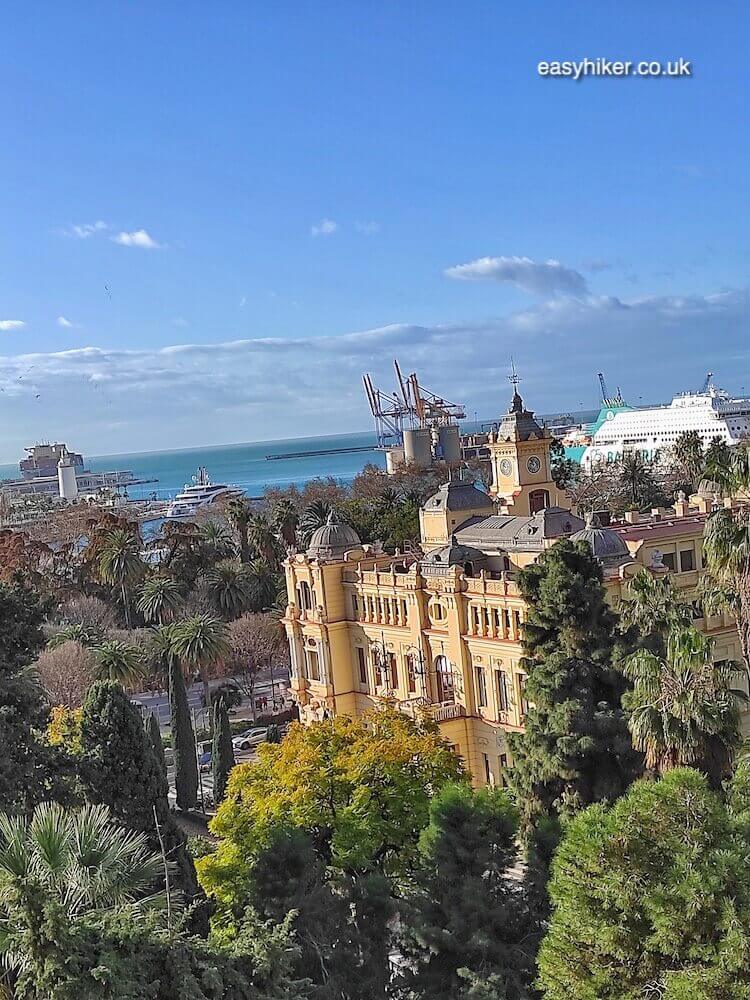
But lately, this has changed. Tourism in Malaga has grown faster than in every other major city of Spain – for a range of reasons, but the key to the city’s promotion into the Premier League of international tourism was the 2003 opening of the Picasso museum in town, generously supported with gifts from the artist’s family.
Pablo Picasso, after all, was not just the 20th century’s greatest painter: he was also one of his era’s most iconic personalities, and the queues in front of the museum before opening time demonstrate that he is still a major draw.
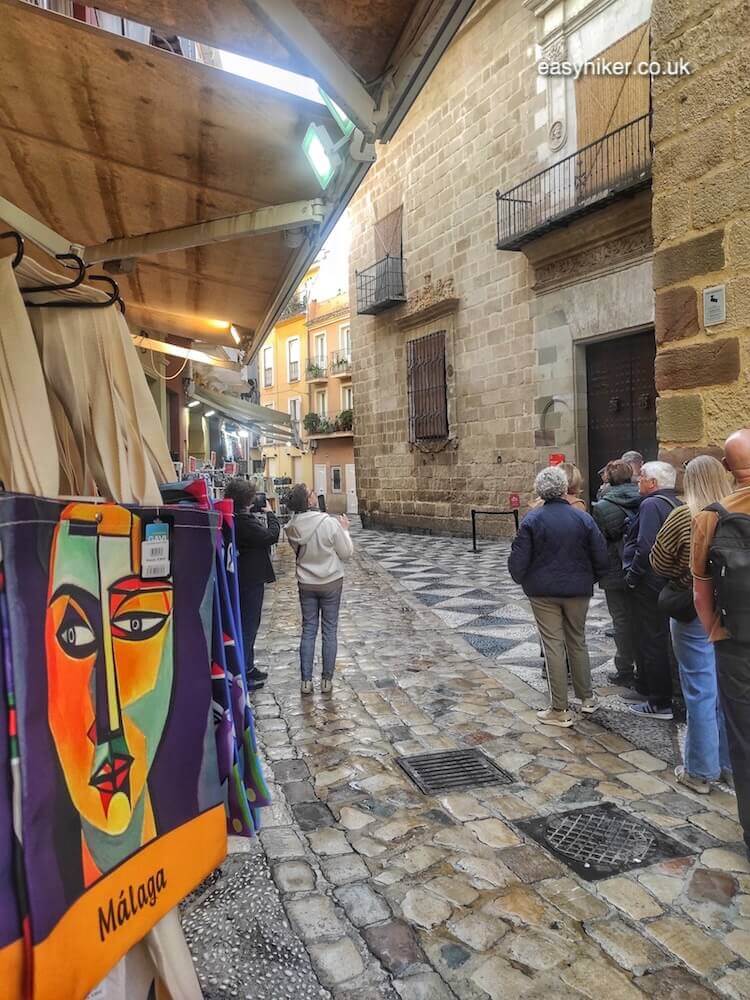
But how much of Picasso can actually still be found in Malaga – and how much of Malaga is there in Picasso? Today, we will find out on a walk through the
The Malaga of Pablo Picasso.
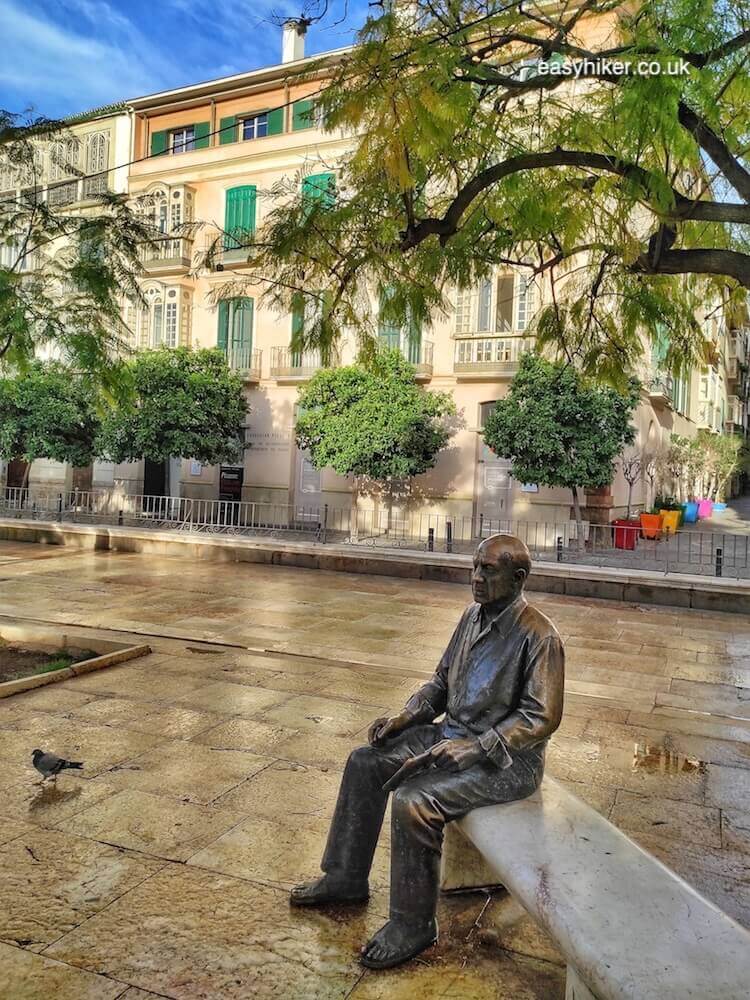
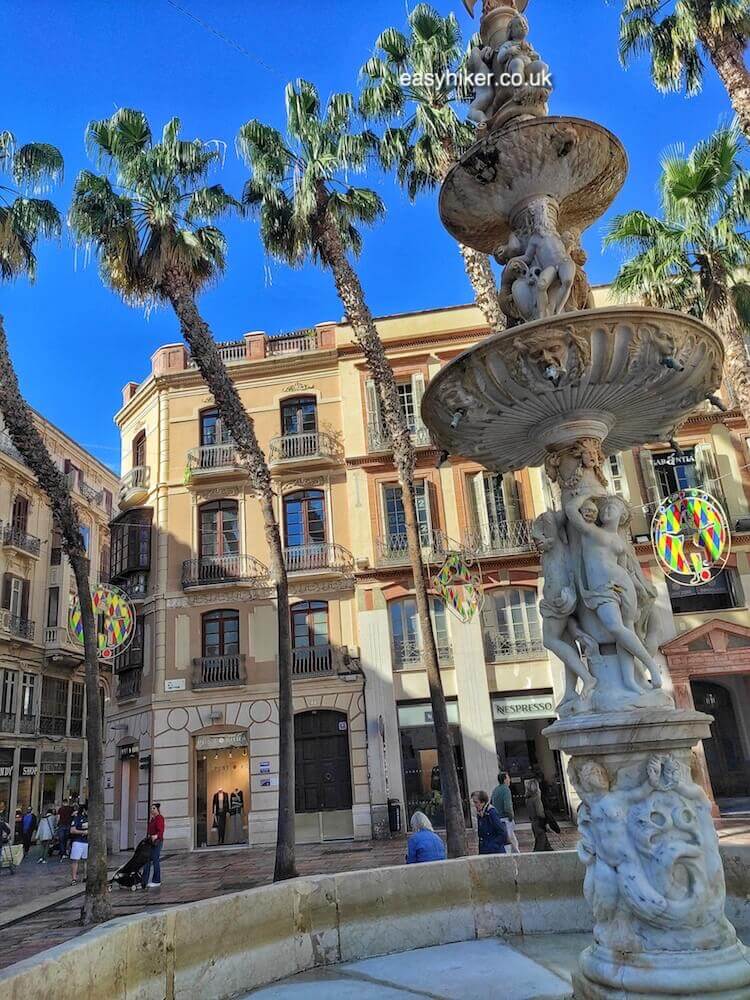
We begin where it all began: Picasso was born in 1881 in a house on Malaga’s Plaza de la Merced (no. 15) which today is open to visitors. You can see the building on the photo above behind the statue of the old man that was placed here in 2008.
The family left Malaga when little Pablo was just nine years old, so the Malaga of Pablo Picasso with a physical connection to the painter is restricted to the places of his childhood. These are concentrated in the comfortably bourgeois neighbourhood around the leafy Plaza de la Merced: the church where the family went to pray and where Pablo was baptized, …
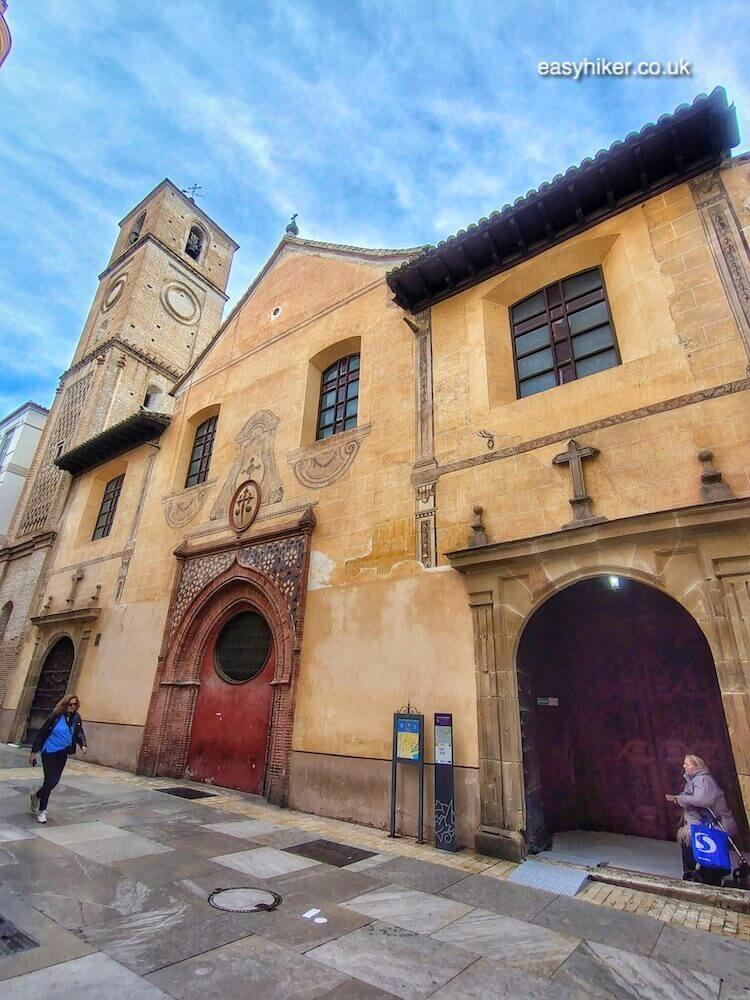
… the museum (the former San Agustin convent) where his father – himself a painter of some renown – had his workshop and where he taught young Pablo his first lessons …
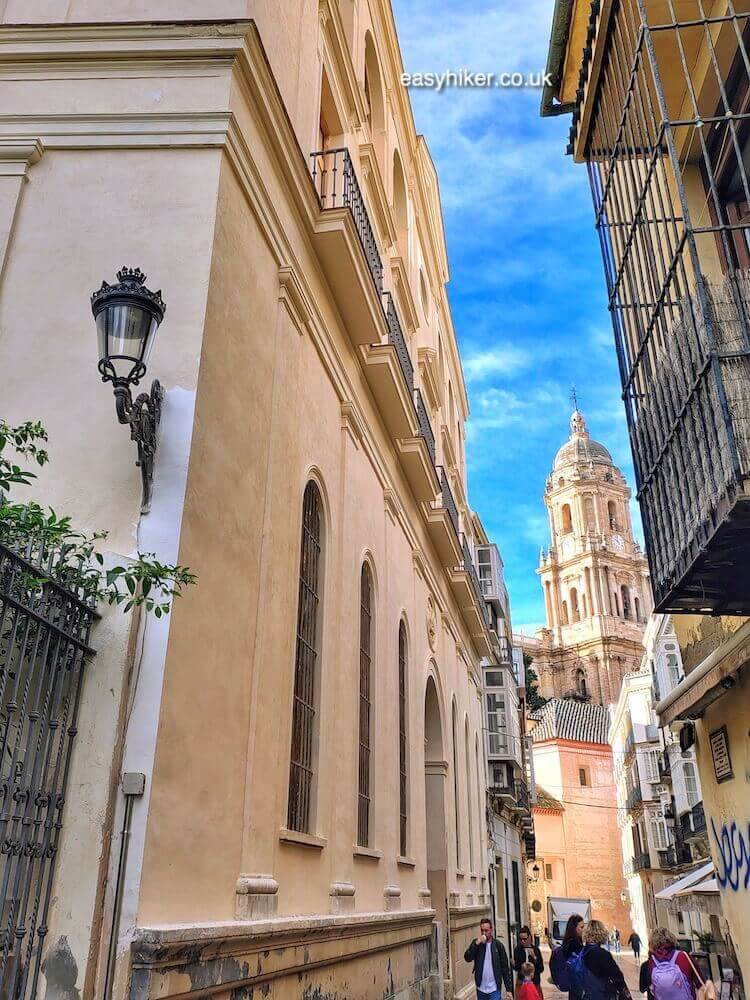
… the Plaza de la Constitucion, the heart of the city in the 19th century, where the family would have gone on Sundays for a meal or a mid-afternoon merienda at the Café España (the Plaza has changed little since the days of Picasso) …
… and the San Telmo School of Fine Arts around the corner from there where Picasso père taught and where Pablo was allowed to sit in his lectures (the building now houses the Ateneo de Malaga cultural institution).
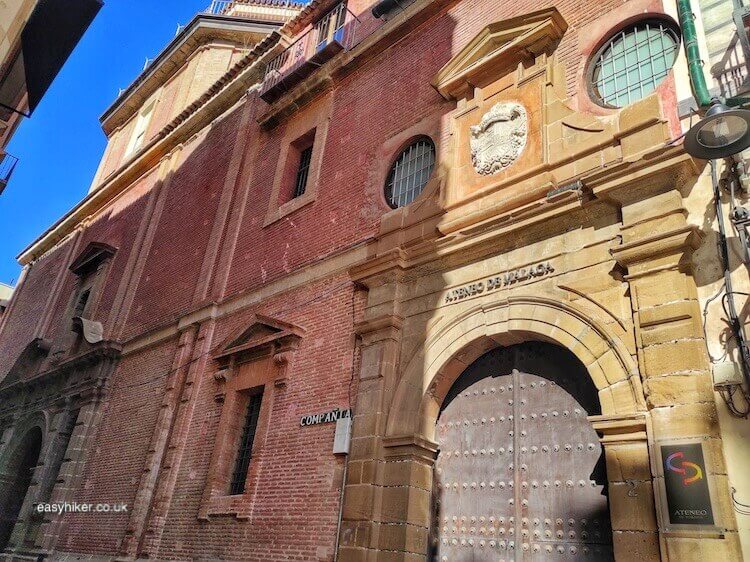
All these buildings (as well as the Picasso Museum on Calle San Agustin) are located along a short stretch of streets to the south and southwest of the Plaza de la Merced (follow Calle Granada and Calle San Agustin before turning right into Calle Santa Maria).
But to see the place that may have had the deepest impact on the works of the artist, you have to go a kilometre or so in the opposite direction.
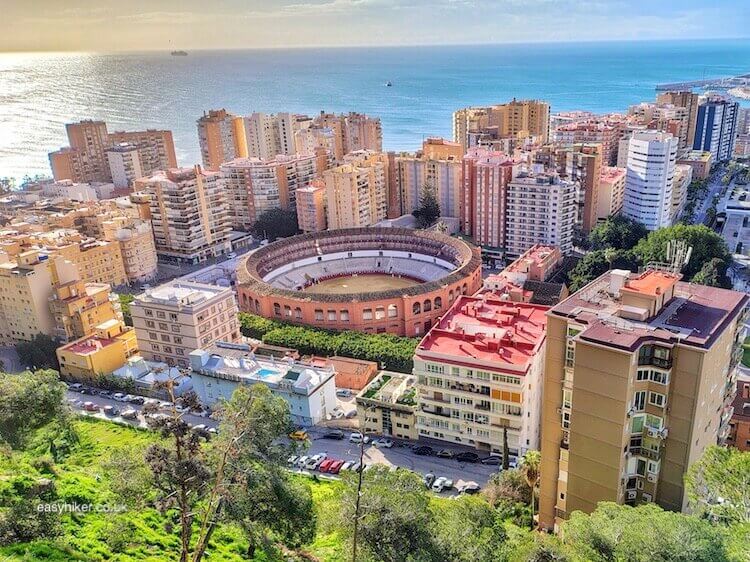
It was at La Malagueta, the Andalusian city’s bullring on Paseo Reding, where the young Picasso saw his first bullfights. No single motif appears as regularly in the artists’ works: his images are full of bulls, toreros and horses in agony, and it is no coincidence (as well as a sign of things to come) that the earliest surviving oil painting of Picasso – painted when he was just eight years old – depicts something he had seen at the Malagueta.
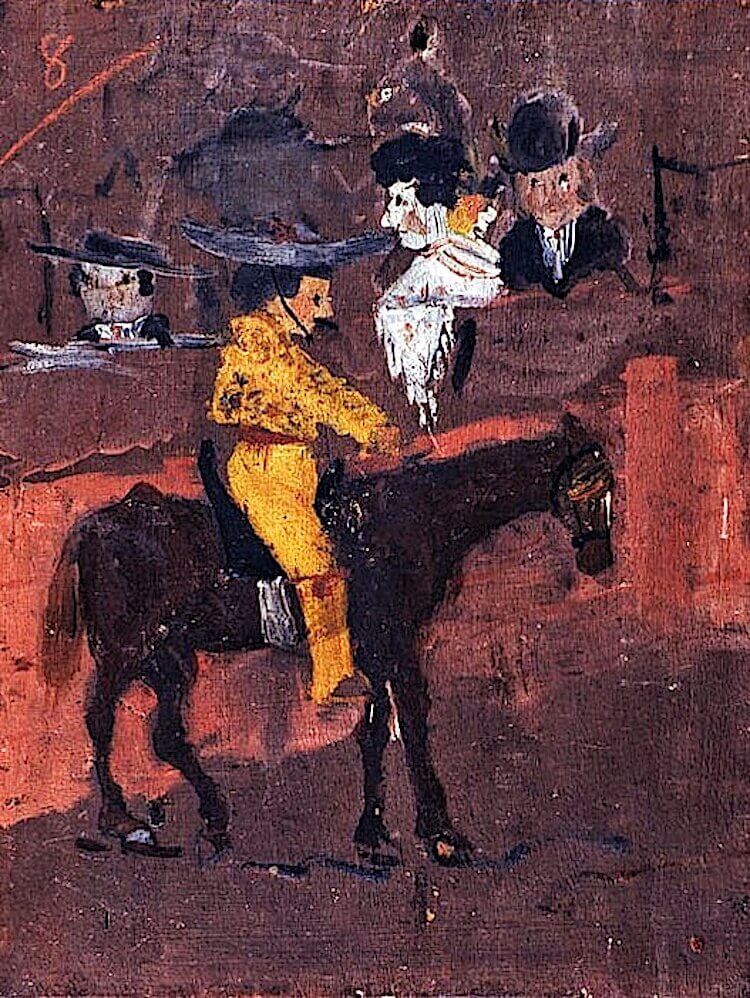
(The painting is on display in Picasso’s birthplace, the Museo Casa Natal on the Plaza de la Merced.)
In 1891, the Picassos left Malaga and moved to La Coruña on the North Atlantic coast, but they often went back to their southern hometown in the summer, visiting friends and extended families. Pablo came to Malaga last in 1901 when he stayed in a small hostel – called Las Tres Naciones – on what today is the Calle Marín García and what was then the most notorious street in town.
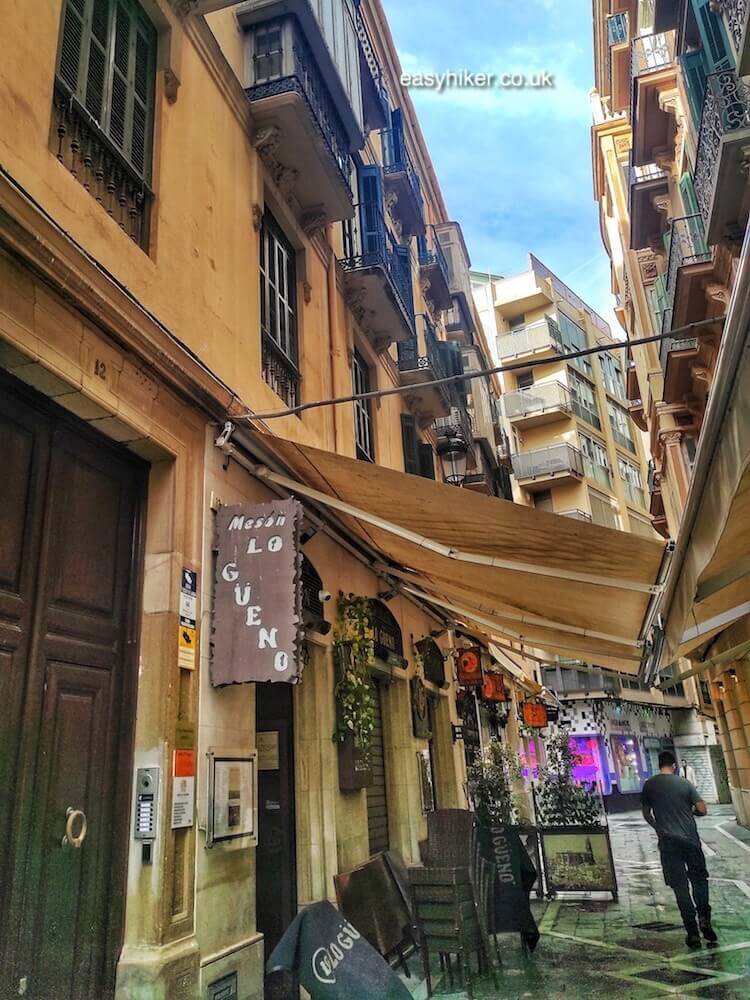
He had travelled together with his artist friend Carlos Casagemas (whose suicide less than one year later would devastate Picasso like no other event of the period), and both young men produced many drawings and sketches during their trip.
Picasso eventually turned his studies into an oil painting of Malaga’s seaport …
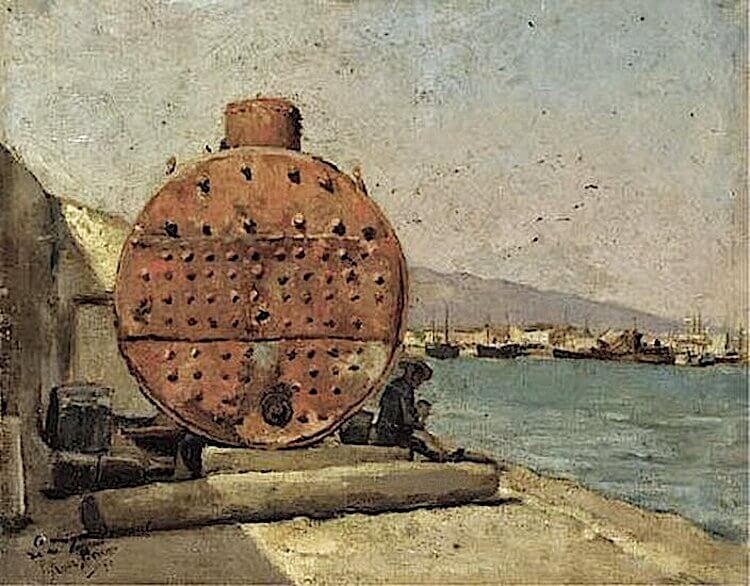
… a motive that had already occupied him as a child.
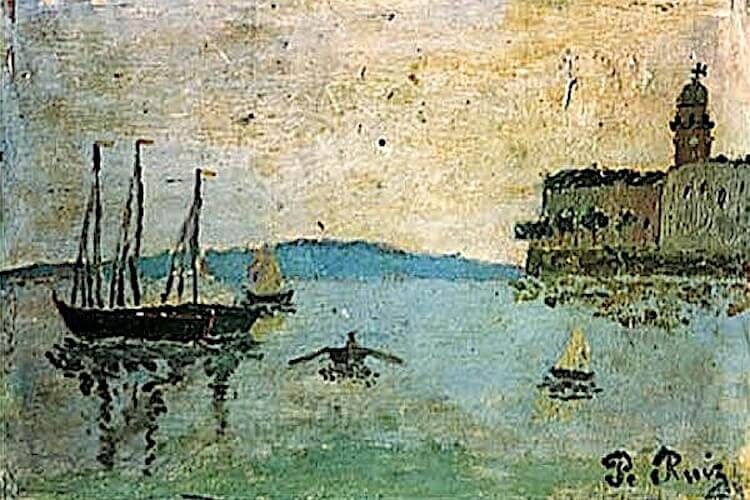
Things have changed in the 100-plus years since then (the painting is from 1889), but Malaga’s skyline – dominated by the mighty tower of the Cathedral – is still easily recognizable.
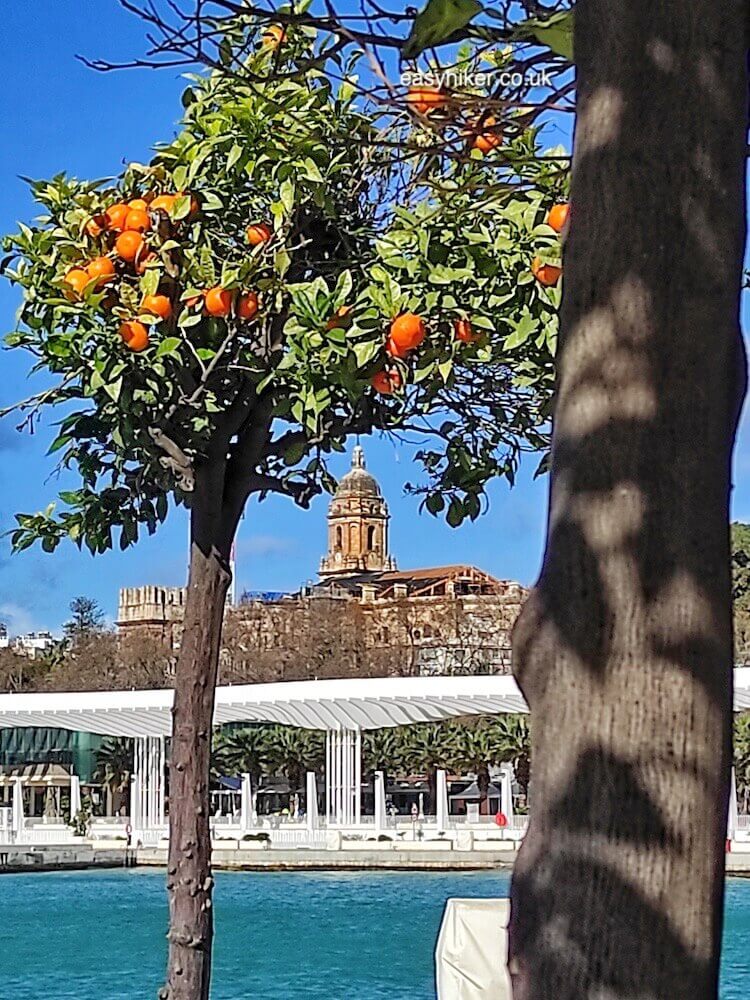
So yes: there is some Picasso in Malaga, but without a question, there is more of Malaga in Picasso. This goes even deeper than the bullfighting and recurring animal symbolism: the painter’s palette – the intensity of colours and especially the radiant blues – is that of a Mediterranean native, and his themes clearly belong to Andalusia and the south of Spain.
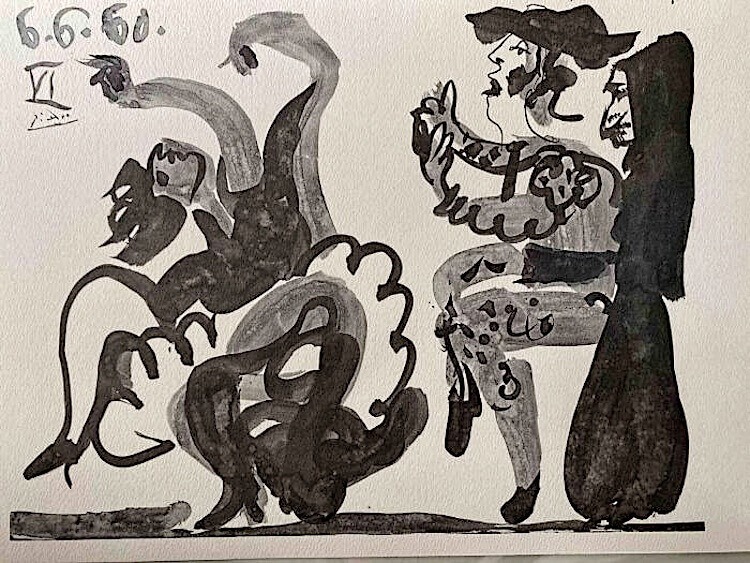
As they say: you can take the boy out of Malaga but not Malaga out of the boy. Picasso may have refused to visit Spain for the duration of the Franco regime but clearly remained a proud Malagueño for all of his long life and artistic career.
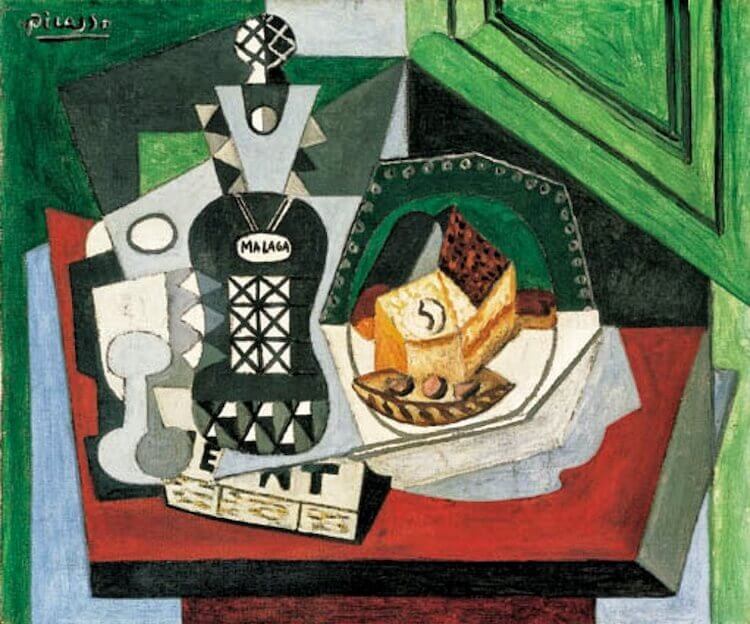
Looking for literal proof? Then all you need to do is look carefully at some of his paintings.