The town of Alba in Piemonte, approx. 50 km south of Turin, is beautiful in a way that Italian towns appear to have patented for themselves.
It has a beautiful central piazza, …

… and, to counterbalance the weight of 2000 years of history, a more busy and modern town square (between Via Roma and Via Mazzini) that is lined by arcades, cafés, and restaurants.
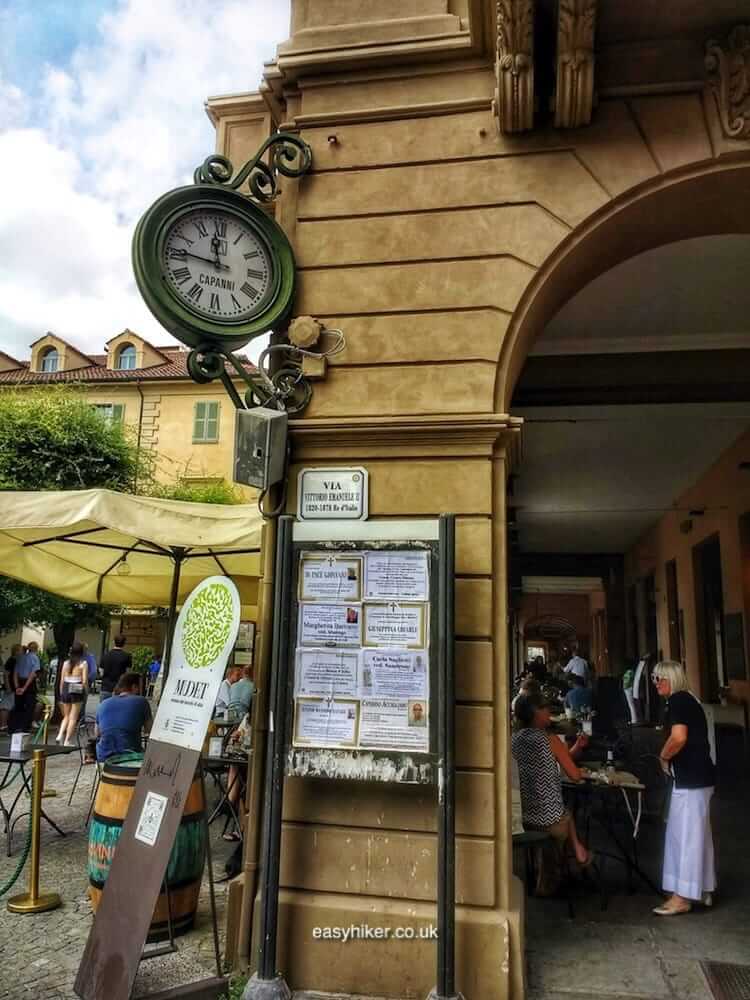
These central squares are surrounded everywhere by handsome historical architecture …
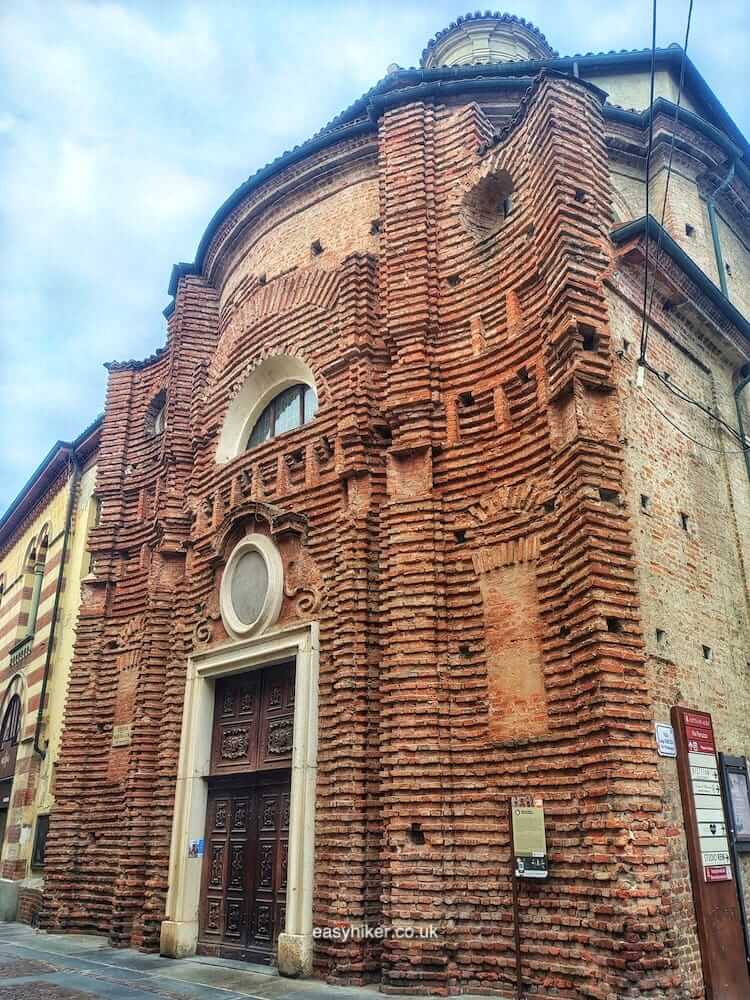
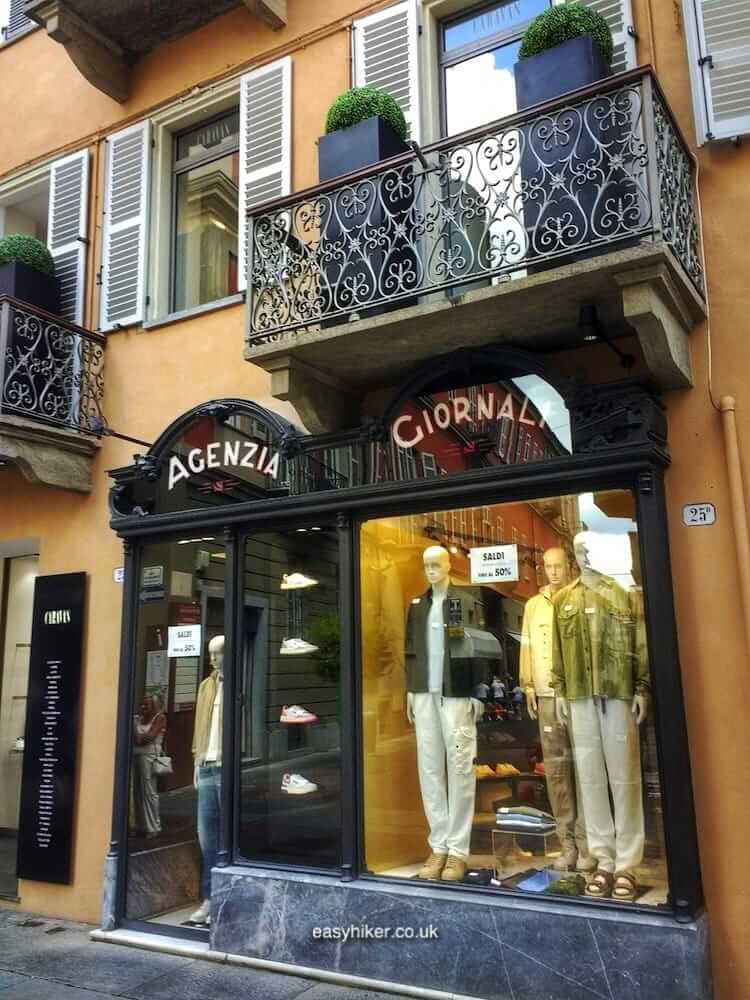
… but also by small pieces of old-style fashion jewellery that have been carefully woven into the urban fabric.
Much in the tale of Alba’s chequered past, meanwhile, reads like Italian history en miniature. In the beginning, the town was an outpost of Imperial Rome and, eventually, the birthplace of Publius Helvius Pertinax, the first descendant of a freed slave who climbed the greasy pole of Roman society all the way to the top when he became Emperor, having orchestrated the assassination of the arch villain Commodus (memorably portrayed by Joaquin Phoenix in Gladiator).
Pertinax – there is a bust of his on Piazza Pertinace – …
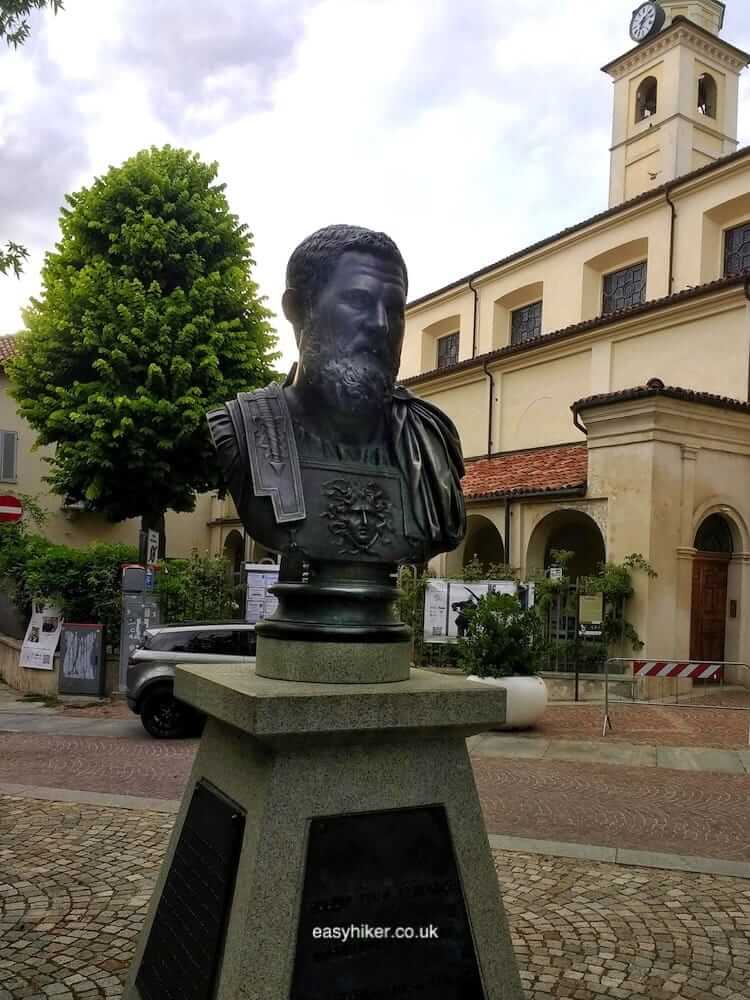
… could not, however, enjoy his good fortune for long and was murdered himself by the Pretorian Guards after a mere 3 months in office.
This was one of the shorter Imperial reigns but not, by quite some way, the shortest: you can find more than a dozen Roman Emperors who failed to stay in power for one full quarter. In ancient Rome, three months were apparently a long time in politics.
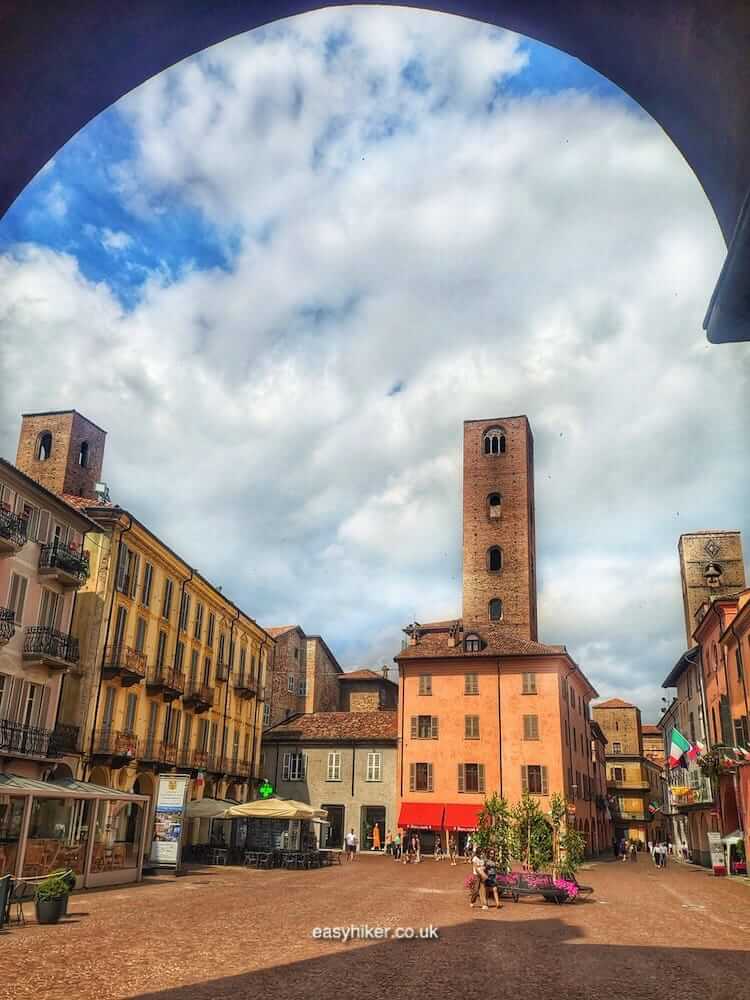
The Middle Ages were Alba’s first great age of prosperity. At the time, no wealthy merchant or aristocrat would apparently have considered to build a new mansion without adding a tower, preferably one that was higher than all the other towers within sight.
After a few centuries of this frenzied rivalry, Alba had earned its reputation as the “City of One Hundred Towers”. Most of these towers have since been lowered or simply crumbled into dust, but quite a few have survived to document this episode of competitive status folly.
(We can freely laugh, of course, because no equivalent to that exists in modern times.)
The last 150 years have brought another age of prosperity to Alba when the town became the distribution centre for the region’s agricultural products.
Today, Alba is the home of the country’s largest cooperative bank and of Eataly, the global chain of Italian food stores.
The centuries in between these events, however, tell a far bleaker tale. Alba was sacked and conquered nearly 20 times by foreign invaders, first – after the fall of Roman Empire – by nearly every Germanic tribe on its way further down south on the peninsula, later by Northern Italian warlords but also by the Spaniards and, over and over again, the French or various French client states.
More recently, Alba has gained some national fame as the home town of Beppe Fenoglio, author of the novel Johnny the Partisan that was praised in a review by the Times Literary Supplement as “the supreme book on the Italian resistance, unsurpassed both as a historic document and as a work of art”.
The municipal government has honoured the town’s famous son by establishing a study centre near both the Cathedral and the house where Fenoglio grew up.
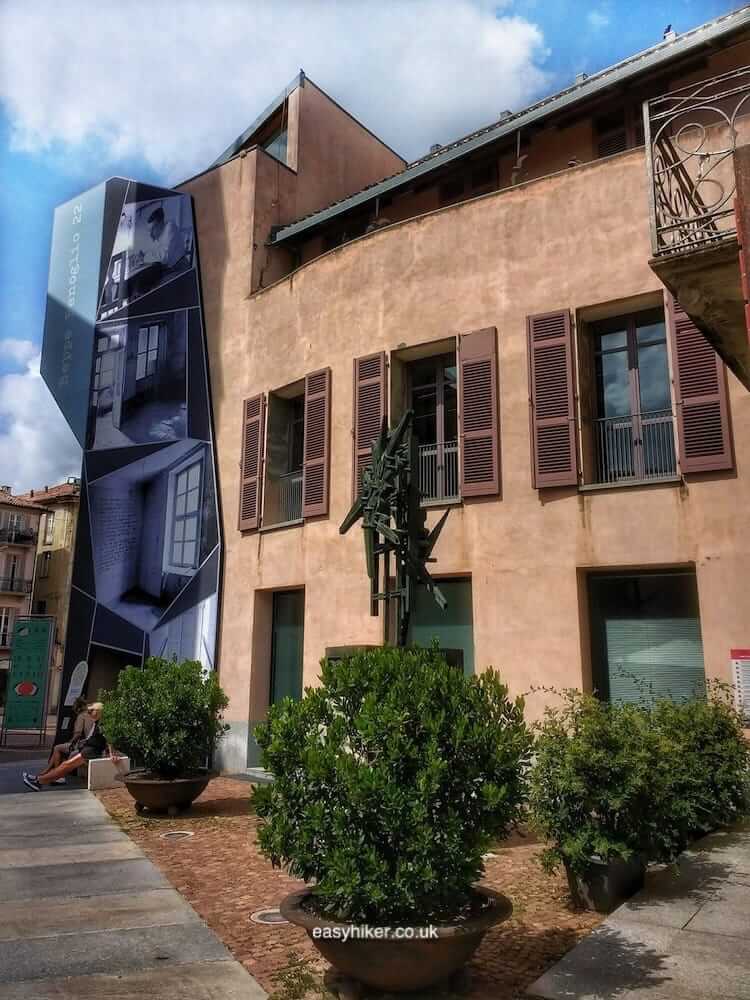
One block away, the Civico Collegio Convitto, originally intended to accommodate a high school but later converted into the Command Centre for the local Fascist government, still stands between the historic buildings in the ancient town centre – in the words of Fenoglio – “like an ocean-going oil tanker anchored amidst a forest of fishing boats and small coastal barges”.
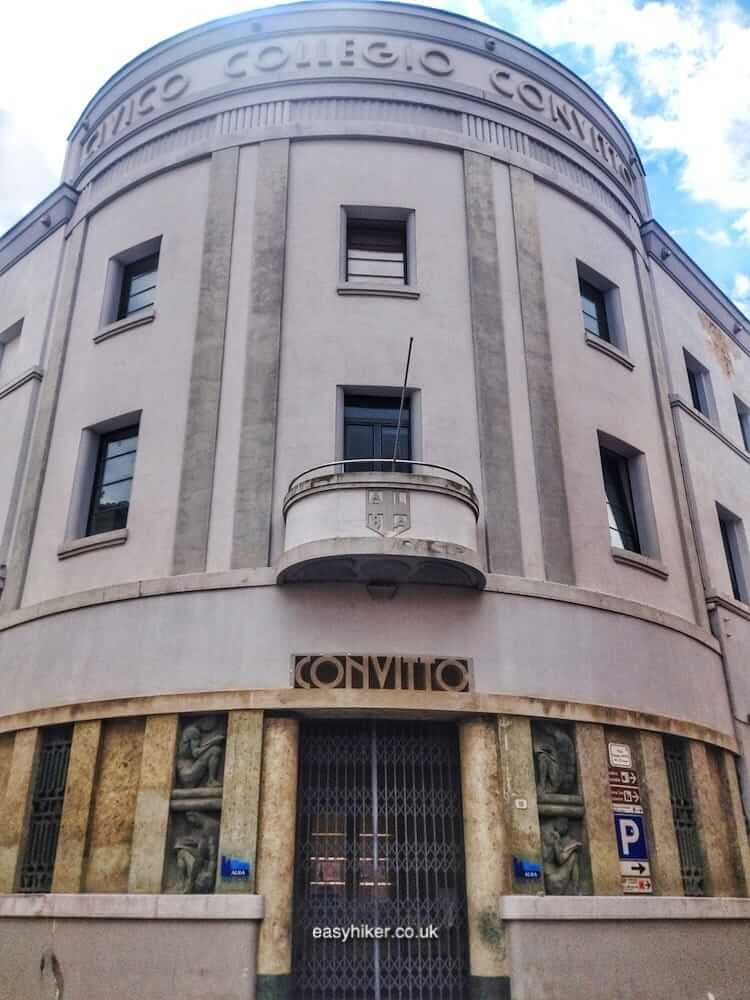
This peaceful coexistence of memories represents a neat metaphor for modern Italy: the Fenoglio Centre, honouring the man who fought for Alba’s short-lived Socialist Republic of 1944, and the former HQ of Fenoglio’s and his fellow partisans’ mortal enemies look at each other rather indifferently across the Cathedral Square.
There is no visual friction between the two: visitors will just walk by, unaware of the story that connects the buildings, and the locals do not seem to care.
In Italy, the conflicts of the past have been more easily reconciled than, say, in Spain, where war-time wounds have been festering for nearly 100 years.
Prosperity, of course, has helped to heal the wounds of WWII. Agricultural exports quickly picked up in the 1950s and 1960s, and Alba grew larger (its population doubled within 20 years) as well as wealthier.
This mainly reflected the growing popularity of the region’s excellent wines – Barbaresco and Barolo are known as possibly the finest two Italian denominations – even if Alba’s culinary fame is mainly connected to the white truffles, which can fetch prices of up to $ 20,000 per kilogram.
As befits the tasty tuber’s status in the world of the haute cuisine, Alba’s White Truffle Museum has been grandly accommodated in the 13th century Monastery of Santa Maria Maddalena near the town centre.
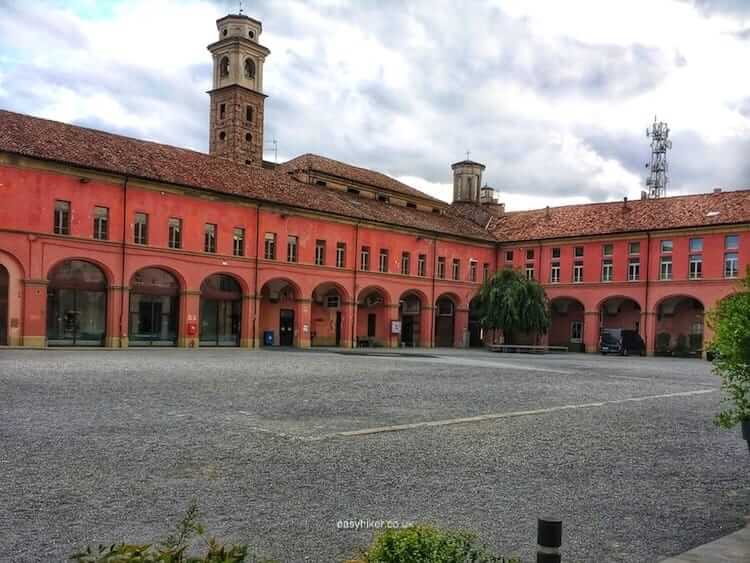
But there is a third food export of the Langhe region, whose fame cannot rival the heights of the white truffle’s but which is certainly more widely spread (in more sense than one).
You may never have eaten white truffles and may be unfamiliar with the Barolo wines, but you will surely have tasted Alba’s most popular contribution to the culinary canon.
Alba: Where the Nuts On Your Breakfast Table Come From
Alba’s number one food export conquered the world and has, on its journey around the globe, become a source of national pride. It is arguably Italy’s most beloved food product, and this love, like all great passions, constantly searches for new ways of expressing itself.
It can be argued that, while eating it with gusto is one thing, opting to sit on it is quite another, but – whatever our landlady in Alba may think – this is surely not everyone’s pot of Nutella.
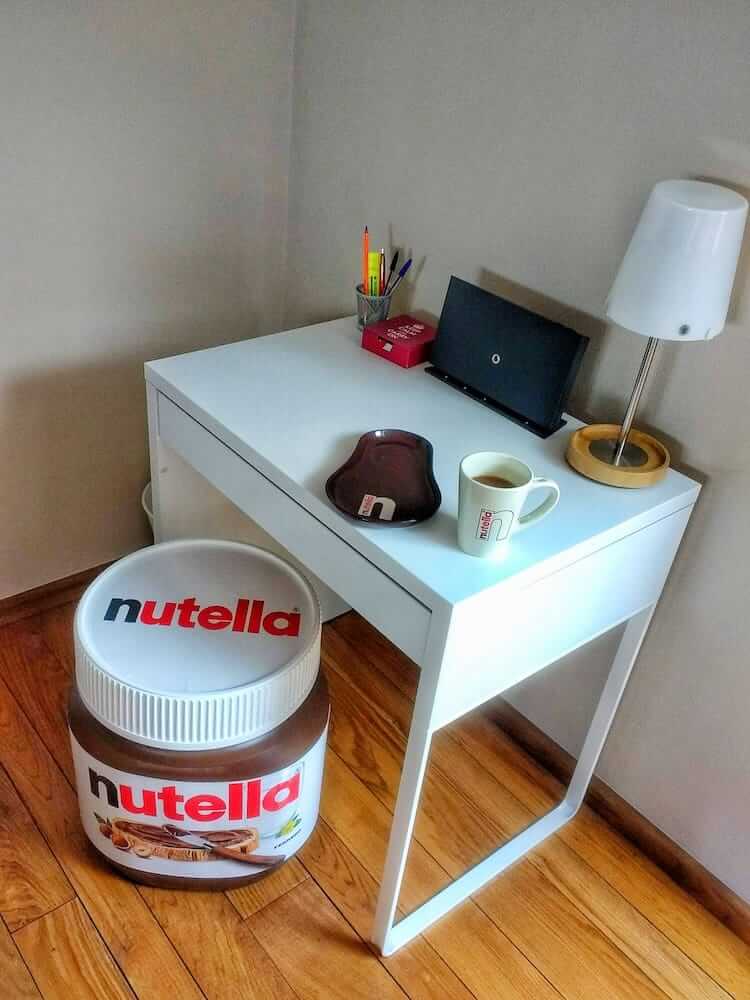
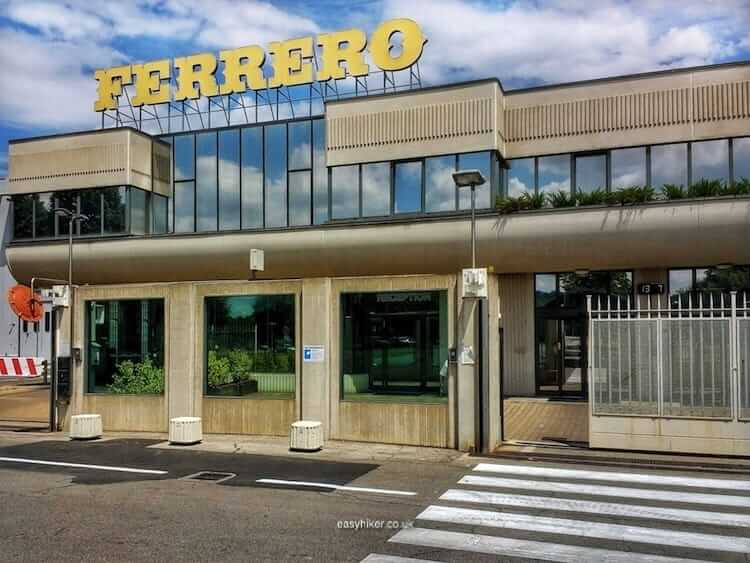
Alba is where the saga started when a local baker named Pietro Ferrero invented a new hazelnut spread in the 1950s. It is also from where the spread started its triumphal conquest of the world’s breakfast tables when Pietro’s son Michele changed the name and the formula in 1964, substituting chocolate for some of its nuts – Pietro’s idea for his hazelnut spread, after all, had been born out of the post-war scarcity of cocoa beans. (The company, meanwhile, still uses 25 per cent of the worldwide Hazelnut production.)
And Alba is where the strands of the story still come together: it has remained the nerve centre of the global corporation and is the place where the Fondazione Ferrero spends a good deal of its profits on sponsorship of the arts and social projects.
In short: Alba has everything that makes a town great – a storied background, handsome buildings, prosperous businesses that invest into the community. All it lacks is great public parks: there are few if any attractive green spaces within the city’s confines.
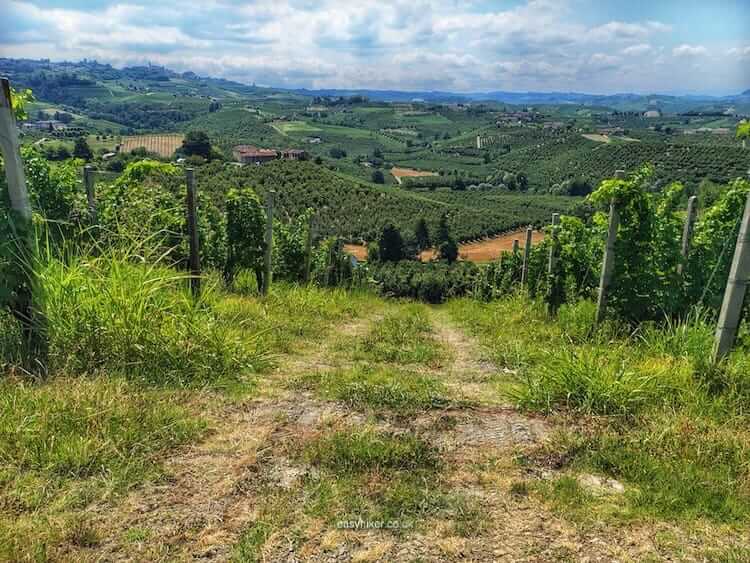
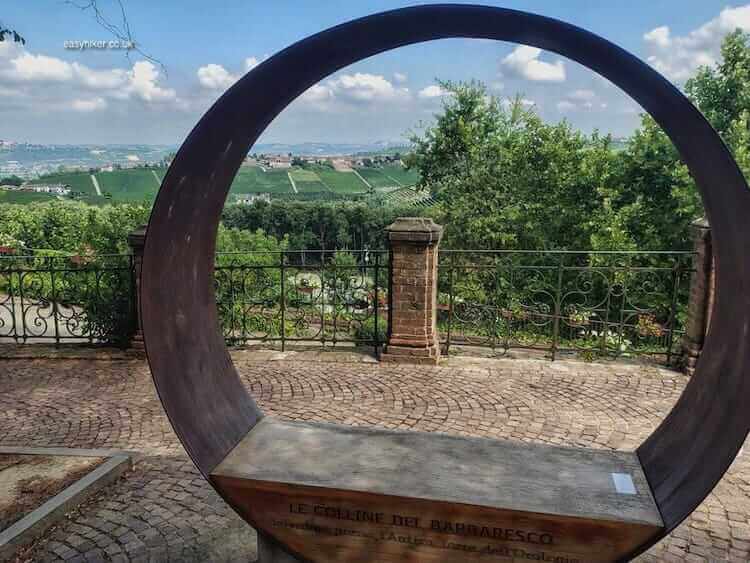
In Alba’s defence, however, the town is surrounded by one of Italy’s most magnificent landscapes – which we shall explore next week.
Join us then to experience what may be Alba’s ultimate beauty